
Did you know that we have more microorganisms than human cells in our body?
Our gut microbiota comprises a unique set of bacteria, viruses and fungi that colonize each individual's gut. It affects the health of our gut, which in turn impacts other body systems and functions. Prebiotics are food for the beneficial microbes in our gut and support their healthy growth. This helps crowd out the harmful bacteria and establishes a balanced gut microbiota.
In this series of videos, find out more about our gut microbiota, prebiotics and Fibrosol Prebiotic from Dr Jason Lim, Consultant Colorectal and General Surgeon from Jason Lim Endoscopy and Surgery.
[embedyt] https://www.youtube.com/watch?v=TAMVAzaJhos[/embedyt] [embedyt] https://www.youtube.com/watch?v=AVZelINiGpg[/embedyt] [embedyt] https://www.youtube.com/watch?v=92ekQiBC6CA[/embedyt] [embedyt] https://www.youtube.com/watch?v=jMrtiEwdBNM[/embedyt] [embedyt] https://www.youtube.com/watch?v=tCZ8SrIfTno[/embedyt] [embedyt] https://www.youtube.com/watch?v=VFqcKOJfjLY[/embedyt]
- According to a study by the Environmental Working Group, a total of 287 industrial chemicals were found in 10 newborn babies. Coupled with a decline in nutritional quality of a child's diet, there has been an increased incidence of childhood diseases.
- Our gut is home to trillions of microorganisms known as the gut microbiota.
- Gut health is linked to a child's development in at least 4 ways: physical growth, nervous system growth, immune system growth, and respiratory system growth.
- It is crucial we maintain a healthy balance of beneficial gut bacteria which may be achieved through taking prebiotics.
The presence of high levels of toxins in the modern world can adversely affect the development of fetuses and children. The umbilical cord provides for nutrients for the growth of the fetus in a mother’s womb. However, at the same time, it also carries chemicals and pollutants from the modern day’s environment. According to a study by the Environmental Working Group, a total of 287 industrial chemicals were found in 10 newborn babies [1]. Coupled with the decline in nutritional quality of a child’s diet, there has been an increase in the incidences of chronic diseases such as eczema, obesity and several types of infections [2].
Other than improving the diet of our children in this modern-day environment, the role of supplementation cannot be undermined. Various supplements such as prebiotics can help to improve our gut health by enhancing the growth of beneficial gut bacteria. Our gut is also linked to various other body systems such as the brain via the gut-brain axis, and the central nervous system [3]. How can we utilize this benefit and promote healthy growth and development for your children? Read on the find out more.
Our gut comprises of trillions of microorganisms. This unique set of microorganisms harbored within the gut is also commonly referred to as the gut microbiota (or gut microbiome). It comprises of various species ranging from bacterial, to viral, to fungal species. A healthy gut comprises a set of microorganisms that are largely beneficial to our health (e.g., Lactobacillus and Bifidobacterium spp.), minimizing the species that are detrimental to our health [4].
The innate set of gut microbiota is thought to be the most suitable and optimum for oneself and it starts developing as early as when the fetus is in the mother’s womb [5]. This optimum composition deteriorates as we age. Along with poorer modern-day diets lacking in prebiotics (i.e., food for the beneficial gut bacteria) as well as increased use of medications such as antibiotics, the composition and amount of good gut bacteria decrease even faster. This would lead to poorer gut health which may lead to negative effects such as constipation, unhealthy blood pressure [6], sugar [7] and cholesterol levels [8], as well as poor cardiovascular [9], respiratory [10] and immune health [11].
A child’s development can be divided into 4 distinct phases: infancy, preschool, middle childhood, and adolescence. Any divergence from certain developmental milestones could be a signal for disease such as obesity, allergies, or asthma [12]. The gut microbiota of a child can be affected by the following:
- Mode of delivery: infant delivered vaginally will have colonization which is represented by the mother’s vaginal tract. An infant who is delivered via caesarean section will more likely have colonization by maternal skin and oral microbes [13]. - Infant diet: breast-fed infants have microbiota mainly consisting of Lactobacillus and Bifidobacterium spp. Formula-fed infants’ gut microbiota are more likely to contain species like Clostridium [14].
The infants’ gut microbiota will mature into a more complex one that resembles an adult-like gut microbiota after the first year of life. Use of medications such as antibiotics can also affect the composition and amount of gut microbiota. Read on to find out how the gut microbiota of a child will affect the different elements of his or her general development.
1. Body growth
The gut microbiota plays a role in the general physical growth by affecting nutrients absorption and growth hormone signaling. A disruption in the gut microbiota can affect the infant’s weight. Studies have been done to examine the effects of gut microbiota on malnutrition and poor growth. Fecal matter of malnourished twins was transplanted into mice and subsequently developed weight loss and metabolic changes [15]. A separate study in Bangladesh children also shown significantly altered gut microbiota composition in children with malnutrition [16].
These studies done point to the possibility that the gut microbiota plays an important role in affecting the general physical growth of an infant, on top of dietary modifications.
2. Central Nervous System (CNS) growth
The brain and the gut communicate bidirectionally through the gut-brain axis. Research in mice have found that a normal gut microbiota can affect normal brain development as well as behavioral functions [17]. In studies involving humans, the alteration of gut microbiota (i.e., dysbiosis) was also associated with neurodevelopmental issues such as attention deficit hyperactivity disorder (ADHD) [18].
Dysbiosis can result in changes in the metabolite profiles, which then affects the bidirectional communication with the CNS.
3. Immune system growth
During the infants’ developmental stages, the immune system and gut microbiome are co-dependent on each other. The gut microbiota often acts as the first line of defense against pathogens by activating the infant’s innate immunity. The gut microbiota is also involved in production and differentiation of certain immune cells such as the T cells [19]. Other immunological diseases such asthma and allergies may also be associated with changes in the gut microbiota [12].
4. Respiratory system growth
Other than the gut-brain and gut-immune axis, there are also studies which demonstrated the existence of a gut-lung axis. This communication involving the gut microbiota and lung microbiota plays a role not just in gastrointestinal functions but also in lung immunity [10]. Dysbiosis has been associated with respiratory diseases such as asthma, one of the most common childhood diseases [20]. Metabolites produced by the healthy gut microbiota through fermenting prebiotics may also have anti-inflammatory effects in the lungs [21].
5. Other ways gut health affects the child
Although not directly involved in the development of these organs and systems in the infancy stage, the gut microbiota has profound effects in these areas as the infant and child grows up:
- Cardiovascular system [22] - Metabolic system: blood pressure, blood sugar and blood cholesterol levels [6-8]
The gut microbiota can act as a central regulator for metabolism. As the gut microbiota develops rapidly in the early years of one’s life, it is crucial to ensure optimum health of our gut microbiota to prevent such long-term cardiovascular and metabolic complications that may arise due to a poor balance of gut microbiota [23].
The importance of gut health in the healthy growth and development of a child cannot be undermined. With gut health and the gut microbiota having effects around most of the body systems’ development, it is crucial we maintain a healthy balance of beneficial gut bacteria. This may be achieved through taking prebiotics to enhance the growth of the good gut microbiota.
 Gut-Brain-Immune Axis: An Introduction
 Prebiotic: Gut Microbiota, Gut Health, and Beyond

- It is estimated that about 12% of American adults have high cholesterol levels.
- There are 2 main ways in which cholesterol can be obtained: exogenous and endogenous.
- Our gut microbiota may be able to alter blood cholesterol levels through several mechanisms.
- Several studies have also shown that prebiotics (which are selectively utilized by the beneficial gut bacteria) are able to lower cholesterol levels via several mechanisms.
Cholesterol is a key component in many cellular structures such as the cell membranes and a precursor to hormones such as steroids in the body. It is widely understood that high levels of it (i.e., hypercholesterolemia) are linked to atherosclerosis (i.e., building up of plagues in the blood vessels) [1] and cardiovascular diseases such as heart attacks and strokes [2]. It is estimated that about 12% of American adults have high cholesterol levels [3].
Cholesterol in the human body is being carried through the blood by proteins called lipoproteins. These proteins can be generally classified into 2 types [4]:
- High-Density Lipoprotein cholesterol (HDLc) (the ‘good’ cholesterol) - Low-Density Lipoprotein cholesterol (LDLc) (the ‘bad’ cholesterol)
There are 2 main ways in which cholesterol can be obtained [5]:
- Exogenous: dietary uptake, which accounts for about a quarter of total cholesterol - Endogenous: produced within the body by the liver
The health of our gut is largely dependent on the health of our gut microbiota, which is the unique collection of microbes residing in our gut. Recent studies have shown that the health of our gut is linked to cholesterol levels. Find out more about their associations and what can be done to improve our gut health and gut microbiota.
Our gut consists of trillions of microorganisms (or microbes), termed as the gut microbiota. These microorganisms can be bacteria, virus, and fungi. This set of microorganisms in our gut is unique to everyone, depending on several factors such as environmental, lifestyle, dietary habits, and antibiotics consumption [6]. This set of microbes feed on prebiotics to form metabolites such as short-chain fatty acids (SCFAs) and butyrate which confers health benefits to us, which include healthy blood sugar [7], blood pressure [8], immune health [9], and many more.
The innate set of gut microbiota is thought to be the most optimum for oneself, and this composition and amount of good gut bacteria decrease as we age, along with modern-day diets lacking in prebiotics (i.e., food for the good gut bacteria) and increased consumption of antibiotics.
Studies have shown that the gut microbiota may be able to alter blood cholesterol levels, through their role in bile acid metabolism. Both sources of cholesterol pass through the gut, which implies that the gut microbiota may have effects on its levels [10].
Previous research in mice have shown that gut bacteria is able to metabolize cholesterol into a compound called coprostanol, which can aid in reducing cholesterol absorption and blood cholesterol levels [11]. This has also been reflected in recent human studies, which showed that subjects with coprostanol-forming microbes have lower blood cholesterol levels [12].
Another study done in mice also had similar results. Investigators wiped out the gut microbiota of mice using several antibiotics, and they found out that blood cholesterol level was 55% higher than mice who did not had their gut microbiota wiped out [13]. The authors concluded that this phenomenon occurred due to the gut microbiota influencing cholesterol homeostasis and metabolism, including synthesis by the liver [13].
SCFAs are also produced by the gut microbiota because of fermentation of prebiotics (e.g., resistant starch, dietary fibers). High SCFA concentration in the colon can impact microbial communities, inhibiting growth of bad bacteria (such as Salmonella) and promoting growth of beneficial bacteria (such as Lactobacilli and Bifidobacteria), which have been known to reduce risk of cardiovascular diseases [5]. Such SCFAs including propionate and butyrate also have the potential to lower cholesterol synthesis, hence reducing levels in the blood [14].
Prebiotic has been officially defined by the International Scientific Association for Probiotics and Prebiotics (ISAPP) as ‘a substrate that is selectively utilized by host microorganisms conferring a health benefit’ [15]. In simple terms, they are food for the beneficial gut bacteria, as they are resistant to digestion from the body’s enzymes and travel down to the colon largely intact.
Several studies have also shown that prebiotics such as inulin are able to reduce the formation of atherosclerotic plagues in mice [16]. It has also been theorized that prebiotics are able to lower cholesterol levels via 2 mechanisms [17]:
- Decreasing cholesterol absorption and increasing excretion - Indirect effect: producing SCFAs by the gut microbiota, resulting in positive effects on cholesterol metabolism (as described above)
Although there are medications like statins to lower cholesterol, it is important to also use non-pharmacological methods to maximize outcomes. Other than the usual ways of adopting healthy habits such as engaging in physical activity and losing weight, improving our gut health to promote the growth of beneficial gut bacteria may be another viable way.
Prebiotics encourage the healthy balance of your unique set of resident gut microbiota, creating an environment whereby beneficial bacteria flourish and crowd out unwanted bacteria. This can help in 2 ways:
- Growth of innate healthy and beneficial gut bacteria - Enhances effects of probiotics supplements, by allowing the beneficial strains to feed on them and increase their chances of survival and proliferate in the colon
Take foods that are rich in prebiotics, including onions, garlics, and wholegrains. If your diet is consistently lacking in such foods, you may also consider adding prebiotic supplements to your food and/or beverages to obtain your daily requirement of prebiotics.
Although high cholesterol does not show any symptoms on its own, it is a huge risk factor for cardiovascular conditions like heart attacks and stroke, which accounts for one of the highest causes of disease and death in many parts of the world. The health of your gut and gut microbiota has been shown to be associated with lower levels of blood cholesterol. One way to improve the health of your gut microbiota is through prebiotics, which encourages the healthy balance of our microbes in our gut.
 Gut Health and Blood Pressure (Hypertension): How Are They Related?
Prebiotic: Gut Microbiota, Gut Health, and Beyond

- As of 2022 July, over 500 million cases and 6 million deaths due to COVID-19 has been reported.
- Severity of COVID-19 infection is highly associated with immune responses and inflammatory markers.
- Recent studies have shown that severity of infection and symptoms of long COVID are associated with certain compositions of our gut microbiota.
- It is worthwhile to build up our gut health which is heavily involved in many other areas and systems of our body including immune health. This may be done by taking prebiotics.
COVID-19 pandemic has plagued the entire world since early 2020 and has been ongoing for more than 2 years now. As of 2022 July, over 500 million cases and 6 million deaths due to COVID-19 has been reported [1]. With the evolution of new variants and sub-variants of COVID-19, this virus is here to stay with us. How can we reduce the severity of COVID-19 infection and the risks of developing long COVID [2]?
Recent studies have shown that severity of infection and symptoms of long COVID are associated with certain compositions of our gut microbiota. How are they related, and what can you do to lower your risks? Read on to find out more.
The gut microbiota is the unique collection of the microorganisms residing in our gut, mainly the large intestines. It includes bacterial, viral, and fungal species. The health of our digestive system is largely affected by the health of our gut microbiota, which in turn have beneficial effects on other body systems such as blood sugar [3], blood pressure [4], blood cholesterol [5], immune health [6], and many more.
This innate set of gut microbiota is thought to be the most optimum for oneself. The composition and amount of gut microbiota are affected by several factors, ranging from environmental, lifestyle, dietary habits, and antibiotics consumption [7]. The composition of good gut bacteria largely falls as we age, along with modern-day diets lacking in prebiotics (i.e., food for the good gut bacteria) and increased consumption of antibiotics.
The gut microbiota feeds on prebiotics to form metabolites such as short-chain fatty acids (SCFAs) and butyrate which confers health benefits to us. These benefits include maintaining healthy levels of blood sugar, blood pressure, blood cholesterol, and supporting immune health.
Dysbiosis refers to a change of the composition of gut microbiota due to factors like diet, toxins, drugs, and pathogens [8]. This phenomenon has been described in multiple diseases, such as obesity, diabetes, and inflammatory bowel disease (IBD). How are the composition and amount of gut microbiota going to affect the risks of contracting severe COVID-19 infection and long COVID?
It has been shown that severity of COVID-19 infection is highly associated with immune responses and inflammatory markers [9]. One study published in the medical journal Gastroenterology in 2020 first found that there were altered gut microbiota compositions in 15 COVID-19 patients as compared to controls [10]. These patients had increased number of bad gut bacteria and reduced number of good gut bacteria [10].
In another study conducted and published in Gut (official journal for the British Society of Gastroenterology), 100 COVID-19 patients were recruited and analyzed for their gut microbiota composition in relation to their disease severity as well as levels of inflammatory markers [11]. The gut microbiota composition was hypothesized by the authors to contribute to COVID-19 severity. It was found that the number of beneficial bacterial species such as Bifidobacterium bifidum (a common probiotic species) was negatively associated with severity of disease. Increased inflammation markers were also found to be linked with altered gut microbiota composition that reflects more severe disease. This suggests that our gut microbiota could possibly play a role in modulating immune responses and COVID-19 disease severity.
Long COVID, also known as post-COVID conditions, can last for weeks, months and even up to years [2]. This can include a wide range of problems [2]:
- General fatigue - Difficulty breathing - Cough - Chest pain - Diarrhea
Research has also shown that composition and amount of gut microbiota affect your chances of developing long COVID. In a paper published in Gut in 2022, patients without post-acute COVID-19 syndrome (PACS) were shown to have recovered gut microbiota profile at 6 months, which is comparable to that of non-COVID-19 controls [12]. Butyrate-producing bacteria such as Bifidobacterium pseudocatenulatum were also found to be inversely related with PACS at 6 months [12].
As the world move into this ‘new normal’ of living together with the COVID-19 virus, it may not be enough to simply rely on mask wearing and safe distancing. It is worthwhile to build up our gut health which is heavily involved in many other areas and systems of our body including immune health.
One way to improve the composition and health of our gut microbiota is by consuming prebiotics. A prebiotic is defined by the International Scientific Association for Probiotics and Prebiotics (ISAPP) as ‘a substrate that is selectively utilized by host microorganisms conferring a health benefit’ [13]. Prebiotics encourage the healthy balance of your unique set of resident gut microbiota, creating an environment where the beneficial bacteria (such as Lactobacillus and Bifidobacterium) flourish and crowd out unwanted and harmful bacteria. Taking prebiotics can also help to promote survival of your probiotic supplements and allow them to proliferate in your large intestines. Sources of prebiotics include food sources like wholegrains, onions, and garlic and supplements.
The composition and amount of gut microbiota have been shown to be associated with long COVID and disease severity in various studies. Research has demonstrated that dysbiosis is associated with increased inflammatory markers and more severe disease. Taking prebiotics can help improve the composition and health of your gut microbiota, which can potentially lower your risk of long COVID and disease severity.
Prebiotic: Gut Microbiota, Gut Health, and Beyond
Gut-Brain-Immune Axis: An Introduction
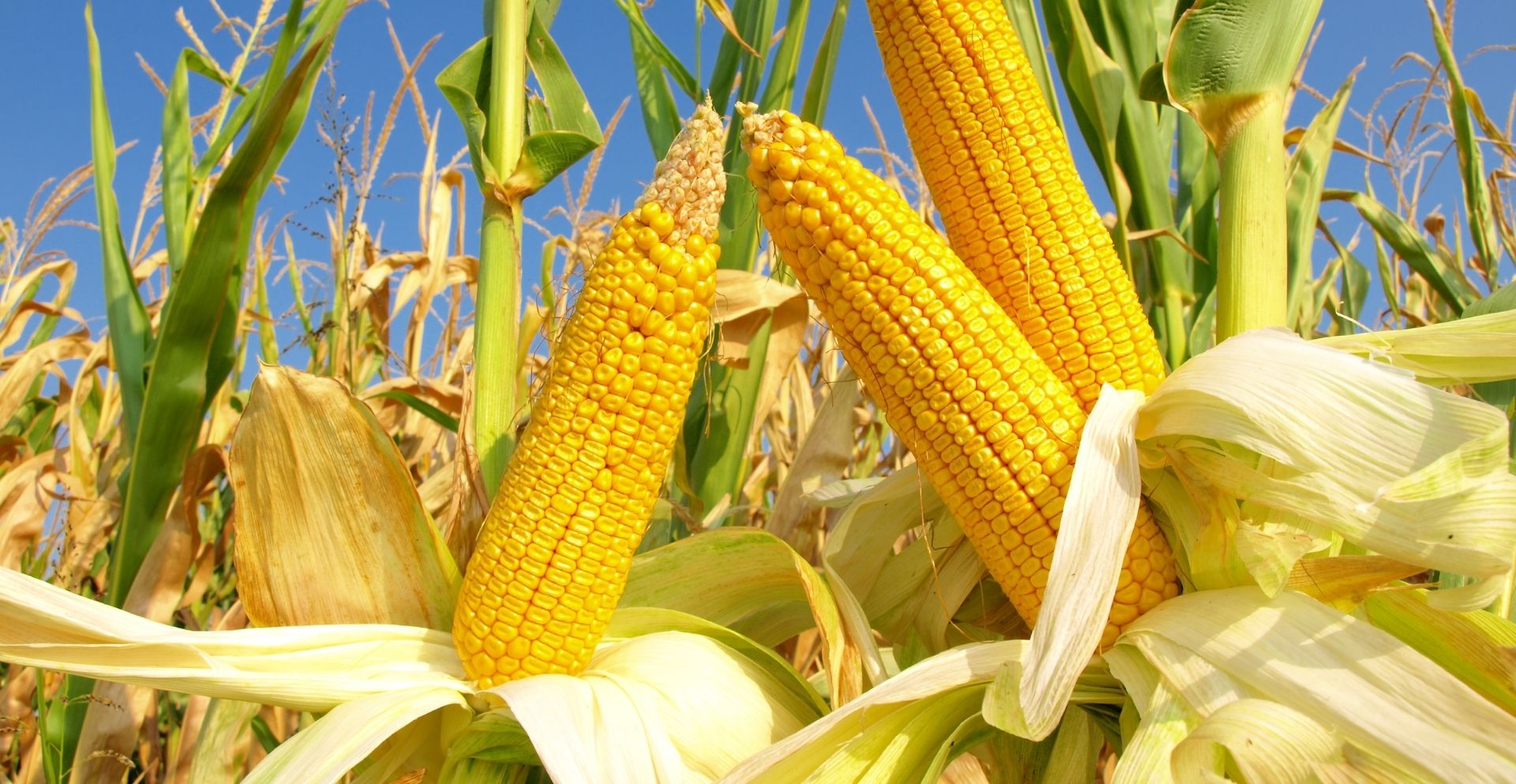
- Starch is a form of carbohydrate naturally found in many grains and vegetables, and is broken down by our body’s enzymes into glucose, the basic building blocks for energy and metabolism. Resistant starch, on the other hand, is a type of starch that does not get broken down by our body’s digestive enzymes.
- It can lower the glycemic index of foods and increase satiety, help with modulating blood sugars and control the appetite.
- It is also considered a form of prebiotics.
- You can obtain resistant starch either from food or from supplements.
You are likely to have heard of the term ‘starch’, which refers to the form of carbohydrate that is naturally occurring in most foods, plants, and vegetables. However, you may not have heard of ‘resistant starch’ before. With gut health being increasingly in the spotlight for the maintenance of general health, the use of dietary modifications such as increasing intake of resistant starch has been touted as a possible avenue to improve the gut health of individuals.
Why is this type of starch called ‘resistant’ and what makes them resistant? What are the health benefits and risks it may have on our human body? Where can we find resistant starch in our food and supplements? Read on to find out the 4 facts about resistant starch.
To understand the benefits that resistant starch can confer to our body, we first need to understand what exactly starch and resistant starch are.
As mentioned above, starch is a form of carbohydrate naturally found in many grains and vegetables such as wheat and potatoes. Starch is broken down by our body’s enzymes into glucose, which forms the basic building blocks for energy and metabolism.
Resistant starch, on the other hand, is a type of starch that does not get broken down by our body’s digestive enzymes, and hence the term ‘resistant’ [1]. They are then passed to the large intestine largely unchanged, where the gut microbiota will ferment them [2]. This fermentation process by the gut microbiota forms metabolites and by-products such as gases (carbon dioxide and methane), and short-chain fatty acids (SCFAs) such as butyrate, acetate, and propionate [3].
Resistant starch can be generally classified into 4 types [4,5]:
- Type 1: physically inaccessible starch that is trapped in the fibrous cell wall - Type 2: resistant granules, generally found in foods that are raw (e.g., unripe bananas) - Type 3: retrograded starch, this type occurs when starch is cooked and then cooled - Type 4: chemically modified starch
It is found that resistant starch lowers the glycemic index of foods and increase satiety [6]. By lowering glycemic index, it causes a smaller rise in the blood sugars as compared to foods that are high in normal starch, such as white bread, rice, and baked potatoes [7]. This can help with modulating blood sugars and control the appetite, which may be able to prevent overeating.
As resistant starch does not get digested by our body’s enzymes and travels through to the colon to be fermented by the gut microbiota, it is also considered a form of prebiotics. Prebiotics are defined as ‘a substrate that is selectively utilized by host microorganisms conferring a health benefit’ by the International Scientific Association of Probiotics and Prebiotics (ISAPP) [8].
The fermentation of resistant starch by the gut microbiota produces SCFAs such as butyrate, which is the main source of energy for the cells in your colon [9]. It also has anti-inflammatory properties, which may be able to alleviate symptoms of diseases such as inflammatory bowel disease (IBD).
Resistant starch has also been shown to be very effective in improving insulin sensitivity [10] and controlling blood sugar levels [11]. Having lower insulin sensitivity has been associated with an increased risk of type 2 diabetes and several cardiovascular diseases as well. Through the modulation of insulin sensitivity and blood sugar levels, resistant starch may be helpful in controlling your risk of developing such cardiovascular diseases.
As resistant starch has very similar functions as dietary fiber, it generally has minimal risks. However, eating an excessive level of resistant starch may contribute to you feeling bloated, as well as the formation of gas due to the fermentation by the gut microbiota.
Moreover, the effects of resistant starch are likely to differ from between individuals. This is due to the varying type and levels of everyone’s gut microbiota, which will lead to differing levels of fermentation of the resistant starch. Nonetheless, resistant starch, much like dietary fiber, is generally safe and well-tolerated by most people.
There are 2 main ways of obtaining your resistant starch: either by your foods or via supplementation.
Foods that are high in resistant starch include:
- Potatoes (both raw and potatoes that are cooked and cooled) - Green (unripe) bananas - Legumes - Rice (cooked and cooled) - Oats and barley
Otherwise, supplements such as Fibrosol Prebiotic contains resistant maltodextrin [12]. Resistant maltodextrin is a form of resistant starch, which is also fermented in the colon to form SCFAs [13]. It also helps to maintain both blood sugar and lipid levels, promoting satiety and hence lowers food intake [13].
Resistant starch is a type of starch that is not broken down and absorbed by the body, and thus does not increase blood sugar levels unlike your regular starch. They are instead converted to SCFAs by the gut microbiota, which produces a range of benefits both within the intestinal system and outside of it. These benefits include modulation of blood sugar and lipid levels and may even lead to reduce inflammation and risks of cardiovascular diseases.
 Gut Microbiota and Its Implications in Diabetes and Blood Sugar
Prebiotic: Gut Microbiota, Gut Health, and Beyond
 6 Tips on Increasing Dietary Fiber Intake

- Around 1.4 million Americans are diagnosed with diabetes every year.
- Our gut microbiota is associated with blood sugar levels and diabetes, both type 1 and type 2.
- Compositions of the gut bacteria differ in patients with diabetes and those without. The metabolites of the fermentation of prebiotics and dietary fiber by the gut microbiota play a central role in sugar metabolism and homeostasis, thus affecting blood sugar levels.
- Consuming more prebiotics has also been linked with a lower incidence of type 2 diabetes.
Diabetes is an increasingly prevalent metabolic condition, with more than 1 in 10 people in the United States (US) has diabetes, and around 1.4 million Americans are diagnosed every year [1]. This condition has also cost hundreds of billions of dollars in terms of healthcare expenditure [1], and has multiple complications including kidney, heart, stroke, and loss of vision [2]. There are mainly 2 types of diabetes (excluding gestational diabetes, which refers to diabetes that occurs during a woman’s pregnancy) [2]:
- Type 1 diabetes mellitus (T1DM): an autoimmune disease whereby the body produces antibodies to attack the cells that produce insulin. This causes the body to be unable to produce any insulin and hence must rely on daily insulin injections. T1DM is usually diagnosed in younger age patients. - Type 2 diabetes mellitus (T2DM): your body is unable to use insulin efficiently, leading to high levels of blood sugars as they do not react to the insulin. T2DM is usually diagnosed in adulthood.
In recent years, studies have shown the composition of the microorganisms in your gut, also termed as the gut microbiota (or gut microbiome), is implicated with blood sugar control and even diabetes (both Type 1 and Type 2). How are they associated with each other, and does one affect the other? Read on to find out more about the connections between them.
Before we investigate the associations between gut microbiota and blood sugar or diabetes, we first need to understand: what exactly is the gut microbiota? The health of the human digestive system is greatly affected by the composition of the microorganisms that resides within our gut. These may include bacteria, virus and even fungi species. The number of bacterial cells here is estimated to be more than 10 times the number of human cells [3]. Composition and amount of gut microbiota are affected by many factors: environmental, lifestyle, dietary habits, antibiotics consumption, and many more [4].
The gut microbiota is also involved in the fermentation of prebiotics, to form metabolites such as short-chain fatty acids (SCFAs) and butyrate which confers certain health benefits to us. Prebiotics are defined by the International Scientific Association for Probiotics and Prebiotics (ISAPP) as ‘a substrate that is selectively utilized by host microorganisms conferring a health benefit’ [5].
Dysbiosis refers to a change of the composition of gut microbiota due to factors like diet, toxins, drugs, and pathogens [6], and this has been linked with many diseases, such as obesity, diabetes, and certain inflammatory conditions such as inflammatory bowel disease (IBD).
Type 1 diabetes mellitus
The incidence of T1DM is thought to be related to the interactions between both the immune system (innate immunity) and the gut microbiota [7].
In mice studies, the changes in the gut microbiota composition were also associated with development of type 1 diabetes with its effects on the immune system [8]. The Environmental Determinants of Diabetes in the Young (TEDDY) study carried out in humans aimed to identify the microbial composition that are predictive of T1DM and has shown protective effects of SCFAs in early-onset T1DM [9].
Type 2 diabetes mellitus
Research has shown that the composition of the gut microbiota differs in patients with T2DM and non-diabetic adults [10]. Patients with T2DM have a significantly higher proportion of Bacteroides and Proteobacteria than non-diabetic adults, and a significantly lower proportion of Firmicutes species [10]. This ratio was associated with an increased blood sugar levels after glucose load [10].
The metabolites of the fermentation of prebiotics and dietary fiber by the gut microbiota plays a central role in several homeostasis and cell signaling pathways [11]. These species are often found in lower abundance in patients with T2DM [11]. Metabolites such as SCFAs (butyrate and acetate etc.) strongly influence sugar metabolism and homeostasis, including the uptake of glucose by cells and preventing the breakdown of complex components to glucose molecules, all of which helps in reducing blood sugar levels [11].
Another possible explanation of how the gut microbiota affects T2DM could be via inflammation. T2DM as a metabolic condition is also associated with chronic, low levels of inflammation [12]. Different species of gut microorganisms have different effects on inflammation: some having pro-inflammatory effects (such as Fusobacterium), while others have anti-inflammatory properties (such as Akkermansia muciniphila). These anti-inflammatory properties of the good gut microbiota can potentially aid in improving insulin sensitivity, playing a crucial role in T2DM [12].
One of the crucial regulators of the gut microbiota is your diet, with changes shown as rapidly as within 24 hours [7]. Consuming more prebiotics has also been linked with a lower incidence of T2DM [13]. A diet rich in prebiotics has been demonstrated to improve the gut microbiota composition (e.g., butyrate-producing bacterial species), leading to greater HbA1c reduction [14]. Prebiotics enhance the proliferation of good gut bacteria, which in turn will crowd out the bad bacteria. Other than promoting gut microbiota stability, the intake of prebiotics also promotes the fermentation by the gut microbiota (as they are also prebiotics in nature), leading to increased concentration of beneficial SCFAs [7].
The gut microbiota is not only associated with the health of your gut. It also plays a role in the development of many other diseases and body systems, which includes blood sugar levels and diabetes mellitus. Prebiotics’ actions on promoting a healthy gut microbiota also has indirect effects in controlling blood sugar levels, and subsequently diabetes mellitus.
 Gut Health and Inflammatory Bowel Disease (IBD)
Gut Health and Blood Pressure (Hypertension): How Are They Related?

- A ‘prebiotic’ is often loosely thought of as the ‘food for the probiotics’.
- This innate gut microbiota is supposedly thought to be the best that nature has offered us, and various factors such as the use of antibiotics and natural aging lead to the decrease in the composition and amount of beneficial gut bacteria, which ultimately negatively affects gut health.
- A prebiotic is defined as by ISAPP as a substrate that is selectively utilized by host microorganisms conferring a health benefit.
- Prebiotics serve as a form of fuel for the gut microbiota, producing metabolites such as short-chain fatty acids (SCFAs) that confer certain health benefits to us.
- Prebiotics can also aid in maximizing the effects of your probiotic supplements.
There has been an increasing understanding and awareness of prebiotic, as people are starting to look for diets and foods that are linked with health benefits. There may be a general understanding of what a ‘prebiotic’ is: loosely thought of as the ‘food for the probiotics’. However, many do not know what exactly it is, how is it considered and classified as a prebiotic, what are the types of food that contains it, or the health benefits it can provide.
Other than prebiotics, there is also increasing awareness of the importance of gut health and its effects on other parts of the body, such as the brain, nervous system, and the immune system. How can prebiotics help in improving our gut health? Does it have any effect on our innate and unique set of gut microbiota? How does it complement with the more commonly known probiotics?
Read on to find out more about prebiotics and understand why there is an increasing awareness to them.
To better understand prebiotics and their functions, we need to first look at what is the gut microbiota (also called gut microbiome in certain literature). The gut microbiota consists of different types of microorganisms such as bacteria, viruses, and fungi, and the number of bacterial cells is estimated to outnumber our human cells by about 10 times [1]. Everyone has a unique set of innate (inborn, natural) gut microbiota, due to the differences in many factors that can affect the composition of the microbes, such as the use of antibiotics, environmental, lifestyle and diet factors [2].
This innate gut microbiota is supposedly thought to be the best that nature has offered us, and various factors such as the use of antibiotics and natural aging lead to the decrease in the composition and amount of beneficial gut bacteria, which ultimately negatively affects gut health.
The gut microbiota does not affect just the gut health but is also involved in the health of many other body systems. Firstly, the gut microbiota has effects on our mental health [3], and it is thought to be affected via the gut-brain axis [4]. It may also affect cardiovascular health, including coronary artery disease and heart failure [5]. The gut microbiota can also affect our immune system and inflammation pathways [6]. Other benefits include supporting our blood sugar [7], blood pressure [8], cholesterol levels [9] and respiratory health [10]. This goes to show that the health of our gut microbiota is deeply associated with our general health and well-being.
There is a need to maintain this healthy level of innate gut microbiota for it to contribute to our overall health and well-being. How do we ensure that we have a healthy composition, level, and diversity of gut microbiota? This is where prebiotics come into play.
First on foremost, to understand prebiotic, we need to look at its official definition from international bodies and organization. Prebiotics are not just simply food for the gut microbiota.
According to the International Scientific Association for Probiotics and Prebiotics (ISAPP), a non-profit organization promoting the science of prebiotic and probiotic, a prebiotic is defined as: a substrate that is selectively utilized by host microorganisms conferring a health benefit [11]. The host microorganism here may refer to 2 things: (1) your innate gut microbiota as discussed in the section above, and (2) external supplementation in the form of probiotics.
Other than being simply ‘food’ for these microorganisms, it also must confer ‘health benefits’ for a certain product to be classified as a prebiotic. By doing so, prebiotics encourage the healthy balance of your unique set of resident gut microbiota, creating an environment where the beneficial bacteria (such as Lactobacillus and Bifidobacterium) flourish and crowd out unwanted and harmful bacteria.
The ISAPP has also noted that prebiotics are not the only substance that can affect the microbiota [11]. To qualify as a prebiotic, it must not only simply affect the microbiota, but it should also have selective effects on beneficial species like Bifidobacterium. A prebiotic also needs have adequate evidence to show health benefits for the host, in this case humans [11].
Prebiotics serve as a form of fuel for the gut microbiota. They are usually not digested and absorbed by the body and reaches the colon largely unchanged. The healthy gut microbiota then ferments the prebiotics. These fermentation process induces the proliferation of healthy gut bacterial species such as Lactobacillus and Bifidobacterium [12].
The fermentation process also produces metabolites such as short-chain fatty acids (SCFAs). These SCFAs and other metabolites are involved in several biological process that confer health benefits to the host, such as glucose and lipid metabolism, immune function and regulating satiety [13].
By taking sufficient prebiotics, we would be able to maintain the level of our innate and beneficial gut bacteria (which is supposedly the most optimum set given to us by nature).
There are also benefits for those that are taking external probiotics supplements. Other than enhancing and supporting the growth of your healthy gut microbiota, prebiotics can also aid in maximizing the effects of your probiotic supplements. According to ISAPP, probiotics are defined as: live microorganisms that, when administered in adequate amounts, confer a health benefit on the host [14]. The similar concept of conferring a health benefit applies. By taking prebiotics together with your probiotics, you may help to improve the viability and survival chances of the probiotics that you are taking [15].
Not all fibers are prebiotics, but most prebiotics may be classified as dietary fibers [16]. The word ‘prebiotic’ is not used frequently on food labels. Instead, look for the following words to identify the different types of prebiotics:
- Dextrin, including resistant maltodextrin - Inulin - Galacto-oligosaccharides (GOS) - Fructo-oligosaccharides (FOS)
The following are sources of prebiotic:
- Health supplements - Wholegrains - Beans and legumes - Onions - Garlic - Artichokes
Recent research has shown that prebiotic plays an increasingly important role in the gut health by feeding and enhancing the healthy gut microbiota. This in turn leads to optimum health of the various body systems, including your cardiovascular, respiratory, immune, and nervous systems, as well as improvement in markers such as blood sugar, blood pressure, and cholesterol levels.
Gut Microbiota and Its Implications in Diabetes and Blood Sugar
Gut Health and Blood Pressure (Hypertension): How Are They Related?

- Our gut consists of different types of microorganisms, including bacteria, fungi, and viruses, and this composition is unique to everyone. The gut microbiota also works and communicates with other systems such as the immune system and the central nervous system (including the brain), termed as the gut-brain-immune axis.
- The gut and brain communicate bi-directionally via several pathways, including endocrinological, neurological, and immunological.
- Consumption of dietary fiber and prebiotics promotes diverse microbiota growth and are also important in providing substrates for the gut microbiota to form metabolites, which confer health benefits to us and thus improve the gut-brain axis.
The human’s gut consists of a certain composition of beneficial microorganisms that is unique to every individual, which is also known as the gut microbiota. On top of the usual gastrointestinal processes such as digestion and absorption, this composition of microorganisms has also been found to play a significant role in several other functions and diseases that are otherwise seemingly unrelated to the gut. Why and how is this gut-brain-immune axis possible?
Read on to find out more about this fascinating interaction between the gastrointestinal system, central nervous system, and the immune system.
Before we try to understand this complex interaction of the gut-brain-immune axis, let’s first understand what the gut microbiota is, what it does, and what happens when there is a change in this composition.
The gut microbiota consists of different types of microorganisms, ranging from bacteria, fungi, and viruses [1]. This composition is unique to everyone due to the impact from multiple factors including environmental and lifestyle factors [2]. One of the functions of the gut microbiota is to break down indigestible substrates like dietary fibers and intestinal mucus, producing short-chain fatty acids (SCFAs) and gases in the large intestine. These SCFAs are associated with several health benefits, including metabolism, homeostasis, controlling gut hormones, and lower rates of obesity [3].
Other gastrointestinal functions of the gut microbiota include the synthesis and absorption of vitamins and nutrients such as vitamin K and vitamin B, as well as maintain the integrity and structure of the gut barrier [4].
A change in the composition of the gut microbiota can happen due to several factors, including drugs (e.g., excessive use of antibiotics), toxins and pathogens [5]. This is also called ‘dysbiosis’, and this affects the permeability of the gut’s barriers.
Other than the effects the gut microbiota have on the gastrointestinal system, it also works and communicates with other systems such as the immune system and the central nervous system (including the brain).
The immune system is especially connected with our gastrointestinal system, as evidenced from the fact that more than 70% of immune cells are found in the gut [6]. The interactions between the gut microbiota and the immune system are thought to be via the SCFAs that are produced as by-products of the indigestible substrates (e.g., dietary fibers) [7]. These SCFAs are involved in the homeostasis of immune cells through several receptors [8], and act as key metabolites for the functioning of the intestinal surface layer. The intestinal surface layer, where the gut microbiota resides, also acts as a first line of defense for the body against incoming pathogens.
The gut microbiota also has a bidirectional communication with the central nervous system (CNS), including the brain. This interaction is often coined as the ‘gut-brain axis’. For one, the gut is physically connected to the nervous system and the brain via the vagus nerve. It is thought that the interaction between the gut and brain also otherwise happens via several pathways [9]:
Neurological
SCFAs such as butyrate (produced by the gut microbiota by breaking down dietary fiber) also affect CNS functions such as the formation of the blood brain barrier (BBB) [10], which shields the brain from toxic substances and filters chemicals to the blood [11].
Endocrinological
Chemicals that can affect brain cell physiology (i.e., neurotransmitters) are produced by some of the species within the gut microbiota [2]. One such neurotransmitter is serotonin, which also plays a part in affecting an individual’s mood.
Immunological
Gut microbiota also affects mucosal immune activation. An increase in inflammation was seen in studies involving mice after they were treated with oral antibiotics [9]. It is thought that this activation may be due to enzymes such as proteases [9].
Dysbiosis (i.e., alteration in the gut microbiota) is also associated with many hosts diseases, including diseases related and not related to the gastrointestinal system. Some of these includes [5]:
- Gastrointestinal system: irritable bowel syndrome (IBS), inflammatory bowel diseases (IBD) - Other body systems: asthma, allergies, obesity, cardiovascular diseases
The role of supplementation to improve the gut health is not only important for the gut’s health but is also paramount for the development of other crucial systems such as the immune system and nervous systems. As mentioned in this article, dysbiosis has also been associated with several diseases, including even autism via the gut-brain axis [13]. Hence, developing the gut microbiota is an important thing to do that should not be missed out.
Consumption of dietary fiber and prebiotics promotes diverse microbiota growth [14]. Other than promoting for microbial growth, dietary fibers are also important in providing substrates for the gut microbiota to form SCFAs, which have been found to be beneficial in multiple functions and developments as described above in this article.
Another consideration may be the excessive use of antibiotics in children, which has been associated with dysbiosis as well. Antibiotics use has also been linked with several diseases such as asthma and juvenile arthritis [15]. Parents should also not request for antibiotics use excessively and unnecessarily for their children to prevent possible dysbiosis as well.
The benefits of a healthy gut extend beyond the gastrointestinal system. Healthy gut microbiota has also been thought to have beneficial effects on the health of other systems, particularly the immune and nervous systems. Consider better nutrition and supplementations to improve our gut health, which have beneficial effects extending beyond that and into the nervous and immune systems.
Prebiotic: Gut Microbiota, Gut Health, and Beyond
Gut Health and Inflammatory Bowel Disease (IBD)
 Irritable Bowel Syndrome (IBS): Types, Symptoms, and Treatment

- An estimated 3 million adults in the United States suffer from Inflammatory Bowel Disease (IBD).
- The health of your gut and the gut microbiota has been shown to affect inflammation, which is the key feature of IBD.
- Dysbiosis has been observed in patients with IBD as compared to healthy individuals.
- The Anti-inflammatory Diet for IBD (IBD-AID), which includes the use of more prebiotic and probiotic foods to restore the healthy levels of gut microbiota, has been researched and studied as an adjunct therapy for IBD treatment.
Inflammatory Bowel Disease (IBD) is a chronic inflammatory disease of the gut and bowels. The 2 conditions that are commonly associated with IBD are Crohn’s disease (CD) and ulcerative colitis (UC). The differences between CD and UC lie in the following [1]:
- Location: inflammation can affect any part of the gastrointestinal (GI) tract for CD; for UC, it is limited to the colon and the rectum - Type: damaged tissues appear in patches in CD, whereas the damaged areas are often continuous in UC - Extend: the extend of inflammation can affect multiple layers of the GI tract in CD, while inflammation is only often present in the innermost layer of the colon in UC.
An estimated 3 million adults from the United States (U.S.) suffer from IBD [2], with many more children under the age of 18 years old being diagnosed as well [3]. Common symptoms of IBD may resemble irritable bowel syndrome (IBS), but they are not the same condition. Some symptoms include abdominal pain, weight loss, and rectal bleeding.
The health of your gut and the gut microbiota (also called gut microbiome) has been shown to affect inflammation, which is the key feature of IBD [4]. Fiber intake may also have certain roles in the cause of IBD, which includes (but not limited to) its effects as a prebiotic for the gut microbiota.
World IBD Day falls on 19 May every year [5]. In conjunction with this day, find out how the health of your gut (including your gut microbiota) is related and associated with this autoimmune and inflammatory disease of the bowels!
The human digestive system and health is greatly affected by the microorganisms harbored within the gut, which includes bacteria, virus, and fungi species. This is termed as the gut microbiota, with the number of bacterial cells estimated to be more than 10 times the number of human cells [6]. Its composition is unique to everyone, as several factors such as environmental and lifestyle contribute to the uniqueness of the gut microbiota composition [7].
Indications of an unhealthy digestive system can range from local (i.e., gut-related) such as digestive issues, to more systemic-related problems like skin health, mood swings, and even depression [8], and many of these effects may be contributed by the gut microbiota [9]. A change in the bacterial species and environment could happen because of drugs (e.g., antibiotics), toxins, and pathogens. This is called ‘dysbiosis’ [10].
There have been several published reports that studied the effects of the gut microbiota on IBD, mainly reflected by the gut microbiota’s effect on reducing inflammation.
Dysbiosis has been observed in patients with IBD as compared to healthy individuals [11]. As a healthy gut microbiota has been associated with anti-inflammatory effects on the gut, dysbiosis could have pro-inflammatory effects on the gut, leading to symptoms of IBD. An increase in the number of ‘bad’ bacteria in the gut also affects the gut in other ways, such as changing the permeability of the intestine walls [11]. This effect has also been shown in animal studies, where rats with gut microbiota changes induced by using antibiotics were associated with recurrent gut inflammation [12].
The gut microbiota also produces short-chain fatty acids (SCFAs) through the fermentation of prebiotics such as dietary fiber [9]. The concentrations of these SCFAs were also found to be lower in IBD patients, which may also play a part in inducing inflammation, leading to IBD and its respective symptoms [11].
Dietary changes that target gut microbiota may help to alleviate IBD symptoms [13]. The Anti-inflammatory Diet for IBD (IBD-AID) has been researched and studied as an adjunct therapy for IBD treatment [14]. The IBD-AID includes the use of more prebiotic and probiotic foods to restore the healthy levels of gut microbiota. According to the study, a 61.3% of patients on IBD-AID for 8 weeks reported a significant decrease in IBD symptoms [14]. IBD-AID also emphasize on the importance of using soluble fiber, which also promotes benefits such as SCFAs production by the gut microbiota, as mentioned above as well [15].
Prebiotics are substrates that are used and broken down by the gut microbiota to form metabolites such as SCFAs. Different forms of prebiotics include [16]:
- Resistant starches such as Fibrosol Prebiotic - Frutans - Galacto-oligosaccharides - Pectin
Inflammatory Bowel Disease (IBD) is a chronic inflammatory disease that can affect any part of the gastrointestinal system, depending on the type of IBD. The gut microbiota and alterations of the composition of it has been associated with IBD, as dysbiosis has been shown to be observed in patients with IBD as compared to healthy individuals. Dietary changes such as increasing the usage of prebiotic and soluble fiber may be useful in alleviating the symptoms of IBD.
This article is written in conjunction with World IBD Day, which falls on 19 May every year.
6 Tips on Increasing Dietary Fiber Intake
Prebiotic: Gut Microbiota, Gut Health, and Beyond

- In 2021, the World Health Organization (WHO) has reported that around 1.28 billion adults aged 30-79 years worldwide have hypertension.
- The use of fiber to reduce blood pressure has been studied and published in various clinical trials.
- The effects of fiber on blood pressure lowering may have also been due to the gut microbiota. The gut microbiota ferments the undigested fiber (acting as prebiotics) that passes through to the large intestine, producing short-chain fatty acids (SCFAs) which activate receptors that play a part in blood pressure regulations.
- Other mechanisms include the regulation of genes related to immunity, inflammation and metabolism which may also affect blood pressure.
Hypertension, or high blood pressure, is an increasingly prevalent condition worldwide. In 2021, the World Health Organization (WHO) has reported that around 1.28 billion adults aged 30-79 years worldwide have hypertension, and less than half have it diagnosed and treated [1]. Some complications of high blood pressure include cardiovascular diseases such as heart attacks and strokes [1]. Often dubbed as the ‘silent killer’, this condition often shows no signs and symptoms [1].
Blood pressure reading is mainly divided into 2 numbers [2]:
- Systolic blood pressure (i.e., the top number): this number indicates the pressure your blood is exerting against the blood vessels’ walls when the heart beats - Diastolic blood pressure (i.e., the bottom number): this number indicates the pressure your blood is exerting against the blood vessels’ walls when the heart relaxes between beats
With the incidence of hypertension on the rise, there is also an increasing awareness of how diet and other means can help with lowering the blood pressure naturally (i.e., without the use of medications). The implications of using dietary fiber and their effects on blood pressure has garnered interest [3]. How does the use of dietary fiber help with lowering blood pressure? Does the fiber affect blood pressure directly or through other mechanisms, such as via its interactions with the gut microbiota?
World Hypertension Day falls on 17 May every year. In conjunction with this day, find out how the health of your gut and dietary fiber intake is implicated in your blood pressure readings!
Fiber is a form of carbohydrates, naturally present in plants. Although most carbohydrates can be broken down by the body’s enzyme into simple sugars, our body is unable to completely break down fibers and gets passed through to the large intestine. It is generally divided into 2 forms: soluble and insoluble fibers [4].
The use of fiber to reduce blood pressure has been studied and published in various clinical trials. A meta-analysis done in 2005 aggregated data from 24 different studies and trials to see the effects of fiber on blood pressure [5]. This study found that fiber supplementation at 11.5g per day caused a non-significant decrease in systolic blood pressure and a significant change in diastolic blood pressure, with effects larger for older and hypertensive populations [5].
The authors of the study also concluded that increasing fiber intake in the general population may contribute to prevention of hypertension [5], especially as the intake of dietary fiber in the general population is low [6]. A high-fiber diet was also found to have experienced a 15% reduction in systolic blood pressure, along with an inverse risk of developing cardiovascular diseases [7].
The effects of fiber on blood pressure lowering may have also been due to the presence of the microorganism environment in the gut, which is also termed as your gut microbiota. The gut microbiota consists of a range of microorganisms consisting of bacteria, virus, and fungi [8], and the composition differs depending on several factors such as environmental and lifestyle reasons (e.g., diet) [9].
The gut microbiota ferments the undigested fiber that passes through to the large intestine, producing short-chain fatty acids (SCFAs) and gases. These SCFAs produced by the breakdown of fiber by the gut microbiota play important roles in multiple body functions, one of which includes the modulation of blood pressure and decreasing the risk of developing hypertension from a fiber-rich diet [10]. Dysbiosis of the gut (i.e., alterations of the gut microbiota) is also found to be linked with hypertension [11].
There are many mechanisms on how the gut microbiota and its derivatives affect the blood pressure [12]:
- SCFAs produced from the fermentation of the fibers activates receptors that play a part in blood pressure regulations - Reduction in microbial gene richness may also lead to inflammation, which can also be a cause of high blood pressure - Gut microbiota can influence the production of chemicals by gastrointestinal cells, which has effects on the gut-brain axis - Gut microbiota may also regulate genes related to immunity, inflammation and metabolism which may also affect blood pressure
Hypertension, often termed as the ‘silent killer’, often presents with no symptoms, and affects more than 1 billion of adults worldwide. It has severe complications if it goes undetected and untreated, including heart attacks and strokes. There has been much interest in natural ways such as the use of diet and dietary fiber in managing and lowering blood pressure. The use of fiber has also been touted to be able to reduce blood pressure, with potential effects due to the gut microbiota. Importance of the gut microbiota on blood pressure could also have been mediated by other factors such as its effects on the immunity and metabolism of the individual.
This article is written in conjunction with World Hypertension Day, which falls on 17 May every year.
6 Tips on Increasing Dietary Fiber Intake
Gut-Brain-Immune Axis: An Introduction
 What is the Gut Microbiota?
 English
 Arabic
 Chinese (Simplified)
 Dutch
Dutch French
 German
 Indonesian
 Italian
 Japanese
 Korean
 Malay
Malay Portuguese
 Spanish
 Tamil
Tamil Thai
Thai