

- It is found that about 11.2% of people worldwide suffer from Irritable Bowel Syndrome (IBS).
- IBS is generally divided into 3 types, depending on the clinical presentation.
- One possible cause or risk factor of IBS could be the gut-brain axis interaction, which is also called functional gastrointestinal (GI) disorder, affecting the sensitivity of the gut.
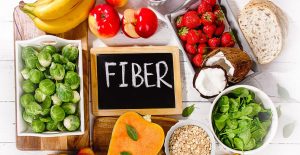
- International guidelines have strongly recommended the use ofsoluble fiber (and not insoluble fiber) as an effective treatment for the global symptoms of IBS.
Irritable bowel syndrome, or IBS for short, is also a condition known as ‘sensitive gut’. It is a relatively common long-term digestive system condition. It is found that about 11.2% of people worldwide suffer from IBS [1], although the prevalence may be different across different countries, with other studies citing a prevalence of about 4.4% to 4.8% in the United States, Canada and United Kingdom [2].
It is characterized with frequent abdominal pain coupled with symptoms of constipation and/or diarrhea. What are the other symptoms one with IBS will usually face, and how is it being managed and treated? Read on to find out more.
IBS is generally divided into 3 types [3]:
- IBS-D (diarrhea) - IBS-C (constipation) - IBS-M (mixed), or also known as IBS-A (alternating)
Although there are no tests for IBS, doctors may do blood tests to rule out other possible conditions causing similar symptoms as IBS, including celiac diseases or inflammatory bowel diseases [4]. Your doctor may use a certain set of criteria called Rome IV diagnostic criteria, which evaluates based on the pattern and frequency of abdominal pain and its association with bowel movement, as well as whether there is a change in the frequency and consistency of your stools [5].
The doctors will then categorization based on the predominant stool consistency, based on the Bristol Stool Form Scale (BSFS) and the Rome IV criteria.
Although we do not know the actual cause of why IBS occurs, there have been different postulations as to why IBS develops in some people. One possible issue could be with the gut-brain axis interaction, which is also called functional gastrointestinal (GI) disorder [6]. This occurs when there are issues with how your brain and gut works together, which affects the sensitivity of your gut. This interaction also affects the bowel muscles functions, which may explain the symptoms experienced by patients suffering from IBS.
Some conditions and diseases may also make someone more prone to getting IBS. You may be at higher risk of developing IBS if you have [6,7]:
- A family history of IBS - Emotional stressors, tensions, or anxiety - Bacterial infections of the gut - Intolerance to certain foods - Certain genetic composition
Patients suffering from IBS typically present with the following [8]:
- Abdominal pain and cramping - Bloating and passing of gas - Constipation - Diarrhea
Although patients may be classified as either IBS-C or IBS-D, over half of the patients are likely to change the subtype over a 1-year period [9], and hence presentations and symptoms may change for these patients, with some presenting with alternating constipation and diarrhea.
Some patients may also experience mucus in their stools and fatigue/ tiredness.
Several international guidelines have outlined the management of IBS depending on the subtypes of IBS. Such guidelines consist of both lifestyle advice and the different medications that can be used to manage and treat IBS. For this section, we will refer to guidelines on IBS management from both the American College of Gastroenterology (ACG) [10], as well as the British Society of Gastroenterology (BSG) [11].
Lifestyle – Fiber
Both guidelines have outlined the importance of using soluble fiber (and not insoluble fiber) as an effective treatment for the global symptoms of IBS. The guidelines have both recommended the use of soluble fiber for managing IBS symptoms after reviewing results from multiple clinical trials and found that soluble fiber intake was able to relief IBS symptoms significantly as compared to placebo. Insoluble fiber, on the other hand, may exacerbate symptoms such as bloating and pain.
Soluble fiber did not show any significant side effects as well, and hence the guidelines have provided a strong recommendation to the use soluble fiber as a reasonable first-line therapy in managing patients with IBS symptoms.
Other lifestyle changes
Frequent exercise may be able to help manage IBS as well, as recommended by the BSG guidelines. A reasonable 2nd-line management option can include the use of a low FODMAP diet. FODMAP stands for fermentable oligosaccharides, disaccharides, monosaccharides, polyols. These substances lead to increase fermentation in the colon, producing short-chain fatty acids and gases, triggering symptoms of IBS in certain patients. Although potentially a viable option for the treatment of IBS, these guidelines believe that the complexity of implementing this diet means that patients should be under the supervision of trained dieticians.
Medications
If your condition is not sufficiently managed by lifestyle changes, your doctor may consider the use of certain medications, depending on the subtype of your IBS and severity of your IBS symptoms. The types of medications include:
- Loperamide - Lubiprostone - Linaclotide, plecanatide - Tegaserod - Rifaximin - Alosetron (for women) - Eluxadoline - Tricyclic antidepressants (e.g., amitriptyline, nortriptyline, imipramine) - Clidinium with chlordiazepoxide
Your doctor will decide which is the best treatment option for your IBS condition.
Irritable bowel syndrome (IBS) is a relatively common chronic gastrointestinal condition that affects about 10% of people worldwide. Typical symptoms include abdominal pain and constipation and/or diarrhea, which will determine the subtype of IBS, although the presentation may vary as the disease progresses. One of the first-line treatment of IBS recommended by international guidelines such as the ACG and BSG include the use of soluble fiber, which is especially helpful for patients who suffer from constipation symptoms from IBS. Other lifestyle changes also include regular exercise and possible use of low FODMAPs diet.
Article is written in conjunction with IBS Month every April.
 Gut-Brain-Immune Axis: An Introduction
 6 Tips on Increasing Dietary Fiber Intake
 4 Health Benefits of Dietary Fiber

- Over 55 million people around the world are estimated to be living with dementia in 2020, and this number is likely to double in the next 20 years.
- Soluble dietary fibers are unable to be broken down by the human body and are then fermented by the gut bacteria, producing short-chain fatty acids (SCFAs).
- One study in Japan has shown that a high intake of fiber, especially soluble fiber, is linked to a lower risk of developing disabling dementia.
- The authors of the study have discussed several possibilities for this result: beneficial effects on several cardiovascular parameters and improved neuroinflammation via the effects on the gut microbiota.
The World Health Organization (WHO) estimates that by 2030, 1 in 6 people in the world will be aged 60 years or over [1]. With this silver tsunami looming large across the entire world, so does the incidence of dementia. Over 55 million people around the world are estimated to be living with dementia in 2020, and this number is likely to double in the next 20 years [2]. Are there simple ways that we can take to prevent dementia from setting in and developing? A recent Japanese study may have found an association between fiber and dementia. Read on more.
You may have known of the importance of fibers more for their gut health and management of constipation. Several studies have also shown that a diet high in fiber can also help to decrease incidences of Type 2 diabetes and cardiovascular diseases [3]. However, did you know that an increased amount of fiber in our diet may be able to decrease the risk of developing dementia?
One study in Japan [4] has shown that a high intake of fiber, especially soluble fiber, is linked to a lower risk of developing disabling dementia. In this Japanese study, investigators conducted a dietary survey to over 3,700 healthy adults and collected data on what and how much was eaten during the 24 hours before the interview. These adults were subsequently followed through for the next 20 years to confirm incident dementia, including disabling dementia.
It was found that total fiber intake was ‘inversely and linearly associated’ with risk of incident dementia. This meant that a higher fiber intake was associated with a lower risk of developing dementia. The association remained even after the study adjusted for potential factors that might affect dementia onset, such as body mass index, blood pressure, antihypertensive medication us, serum total cholesterol, cholesterol-lowering medication, and diabetes.
One point to note is that this association was confined to dementia without a history of stroke. The study also found that this relationship was more evident for soluble fiber intake, and similar association was shown only for potatoes and not vegetables or fruits.
The authors did note several limitations of the study, which included the fact that the dietary habits may have changed over the course of the 20 years. Also, the type of dementia was not distinguished between Alzheimer's and non-Alzheimer's dementia.
Although the actual mechanism about how this result occurs is currently unknown, the authors of the study have discussed several possibilities to this result. Firstly, the intake of fiber has been linked with beneficial effects on several cardiovascular parameters, including blood pressure, lipid levels, and blood glucose [5]. Consequently, this may have led to a potential decrease in the risk of developing dementia, particularly vascular-type dementia.
Another theory hypothesized by the authors is via the alteration of the gut microbiology by the soluble fibers. The composition of intestinal bacteria was found to be associated with prevalence of dementia [6]. Also, a diet high in soluble fibers has been shown to improved neuroinflammation in animal studies, via the regulation of gut bacteria [7]. This interaction between the brain and the intestinal environment (termed as ‘gut-brain interaction’) could potentially explain the results of this study.
Fiber is classified under the category of carbohydrate which is an essential nutrient. It is a product that is naturally present in plants. Generally, most carbohydrates are broken down into simple sugar molecules by the body. However, dietary fibers are unable to be broken down by the human body, which makes it unable to be absorbed by the body. These undigested carbohydrates are then fermented by the gut bacteria, producing short-chain fatty acids (SCFAs), which have multiple benefits in keeping the colon healthy [8].
There are 2 types of fibers [8]:
- Insoluble fibers – this type of fiber does not dissolve readily in fluids. It adds bulk to fecal content and aids in constipation. This type of fiber is generally found in vegetables, wholegrain products, brown rice, and pasta. - Soluble fibers – this type of fiber dissolves readily in liquid. Apart from being fermented to form SCFAs, they also help to increase fecal bulk, soften the stool to aid in constipation. It is generally found in fruits, dried beans, and peas.
As per every type of nutrients, moderation and balance is key. Much as such soluble dietary fibers can show benefits across many physiological functions and disease states such as dementia, taking the many different types of nutrients in moderation is still the key to having a well-balanced and healthy lifestyle.
 Gut Microbiota and Its Implications in Diabetes and Blood Sugar
Gut-Brain-Immune Axis: An Introduction
 What is Dietary Fiber & Why is it Important?

- Prebiotic is “a substrate that is selectively utilized by host micro-organisms conferring a health benefit”.
- Studies have shown that about 60 tons of food pass through the gut of a human throughout the entire lifespan, contributing to the gut microbiota.
- Prebiotics increase the growth of beneficial bacteria in the gut and support overall gut health.
- There are different types of prebiotics, including resistant starch, fructans, and various types of oligosaccharides.
Experts tell us that the intestinal bacteria of a child is derived from the mother. In other words, they are passed down from the mother to her offspring while still a fetus. These micro-organisms have since then been a part of the body. Also, from the food we eat. Studies have shown that about 60 tons of food pass through the gut of a human throughout the entire lifespan, contributing to the gut microbiota. Contrary to popular belief, not all microorganisms are harmful to the body. There are the good ones and the bad. This article contains an overview of what prebiotics are and how they influence these microorganisms in our digestive system.
Read on to learn more about the term 'prebiotics' and find out what are the types of foods that contain a healthy amount of it.
According to experts, prebiotic is “a substrate that is selectively utilized by host micro-organisms conferring a health benefit”. The host micro-organisms here are the beneficial bacteria in the intestine that are associated with our bodily functions and health benefits. In simpler words, prebiotics is food material (a subgroup of dietary fibers that cannot be digested by humans) used by probiotics for survival and growth.
For a substance to be termed prebiotic, it must be:
• Resistive to gastric juice, enzyme hydrolysis, and absorption by the intestines • Broken down by intestinal microbiota • Utilized selectively by the beneficial bacteria to confer health benefits
They are introduced as a dietary means of modulating the intestinal microbiota to the favorable community.
The gut microbiota interacts with the host’s cells throughout their lives. The metabolism and composition of these micro-organisms are a result of the host genetics and other factors, such as stress, diet, medications, and lifestyle [1].
Studies have proven that prebiotics have the potential to increase the population of beneficial bacteria while reducing the growth and effect of harmful ones. Overall, they improve the host microbiota by influencing its composition and quantity.
Prebiotics increase the growth of beneficial bacteria in the gut [1]. They support the overall health of the digestive system. They also enhance the immune system and help maintain a healthy metabolic activity.
Prebiotics have also been associated with improving the outcomes of certain abdominal and intestinal disease since they bring about the growth of healthy bacteria. As the gut microbiota is implicated in many health conditions as discussed in the earlier articles, a healthier gut microbiota will hence result in a healthier body.
Resistant starches Resistant starches include resistant maltodextrin, which is a non-viscous dietary prebiotic fiber. It is resistant to enzyme and acid hydrolysis which enables it to reach the colon where most of the gut microbiota is located. It is slowly fermented and hence does not cause as much bloating [2].
Fructans They consist of inulin and fructo-oligosaccharide. They can selectively and actively stimulate the growth of lactic acid bacteria mainly [2].
Galacto-oligosaccharide Galacto-oligosaccharides are made from lactose extension. They can greatly stimulate the growth of Bifidobacteria and Lactobacilli [2].
Other oligosaccharide Some oligosaccharides are made from a polysaccharide known as pectin [2].
Prebiotics are found in high-fiber foods from our diet. They can be found in the following:
Chicory root An average chicory root contains about 1g of prebiotic fiber. It nourishes the gut bacteria and at the same time, supports healthy digestion. Moreover, there are many other health benefits that chicory root confer.
Dandelion greens Dandelion greens also contain prebiotic fiber. 100g of dandelion green has about 4g of prebiotic fiber. They have also been known to be a good source of antioxidants and vitamins. Dandelion greens have also been associated with a healthy liver, good cholesterol levels and many more.
Jerusalem Artichoke Like dandelion greens and chicory root, Jerusalem artichoke also contains high amount of prebiotic fiber. 100g of it contains approximately 2g of prebiotic fiber, which is about 7% of the daily recommended amount of fiber in a 2,000 calorie diet. It is also commonly known as sunroot, sunchoke or wild sunflower.
Garlic and onions Garlic and onions are composed of prebiotic fibers as well. 1 clove of garlic has about 7% of prebiotic fiber while an onion is made up of about 2% of prebiotic fiber. They can be easily incorporated in the diet especially in pastas, pizzas and meat dishes.
Bananas Bananas contain an amazingly high amount of prebiotic fiber known as resistant starch, as much as 70% of its dry weight when it is unripe. Resistant starch is a prebiotic fiber that is able to withstand digestion in the stomach, to reach the intestine where most of the gut microbiota is located. It passes through the gastrointestinal tract without much change. The gut microbiota then ferments the resistant starch to bring about many health benefits.
Barley Barley is not only used in the production of beer and beverages, but also as a source of prebiotic fiber. It is also packed with many essential vitamins and minerals.
Oats Oats are another source of prebiotic fiber. They are rich in beta-glucan fiber. They are a good alternative to processed food such as white bread for your breakfast. To incorporate oats into your diet, simply add it to slices of fruits such as bananas or take it with warm milk.
Apples As they say, an apple a day keeps the doctor away. Unsurprisingly, apples contain prebiotic fiber as well. Most of the prebiotic fiber in apples is pectin, which is fermented by the gut microbiota to produce short-chain fatty acids which plays a role in our bodily functions.
It is important to include prebiotic fiber in your diet. There are several health benefits associated with eating food rich in prebiotic fiber asides from increasing the gut microbiota. Moreover, they are found in a wide variety of food and can be easily added to your diet.
 Prebiotic: Gut Microbiota, Gut Health, and Beyond
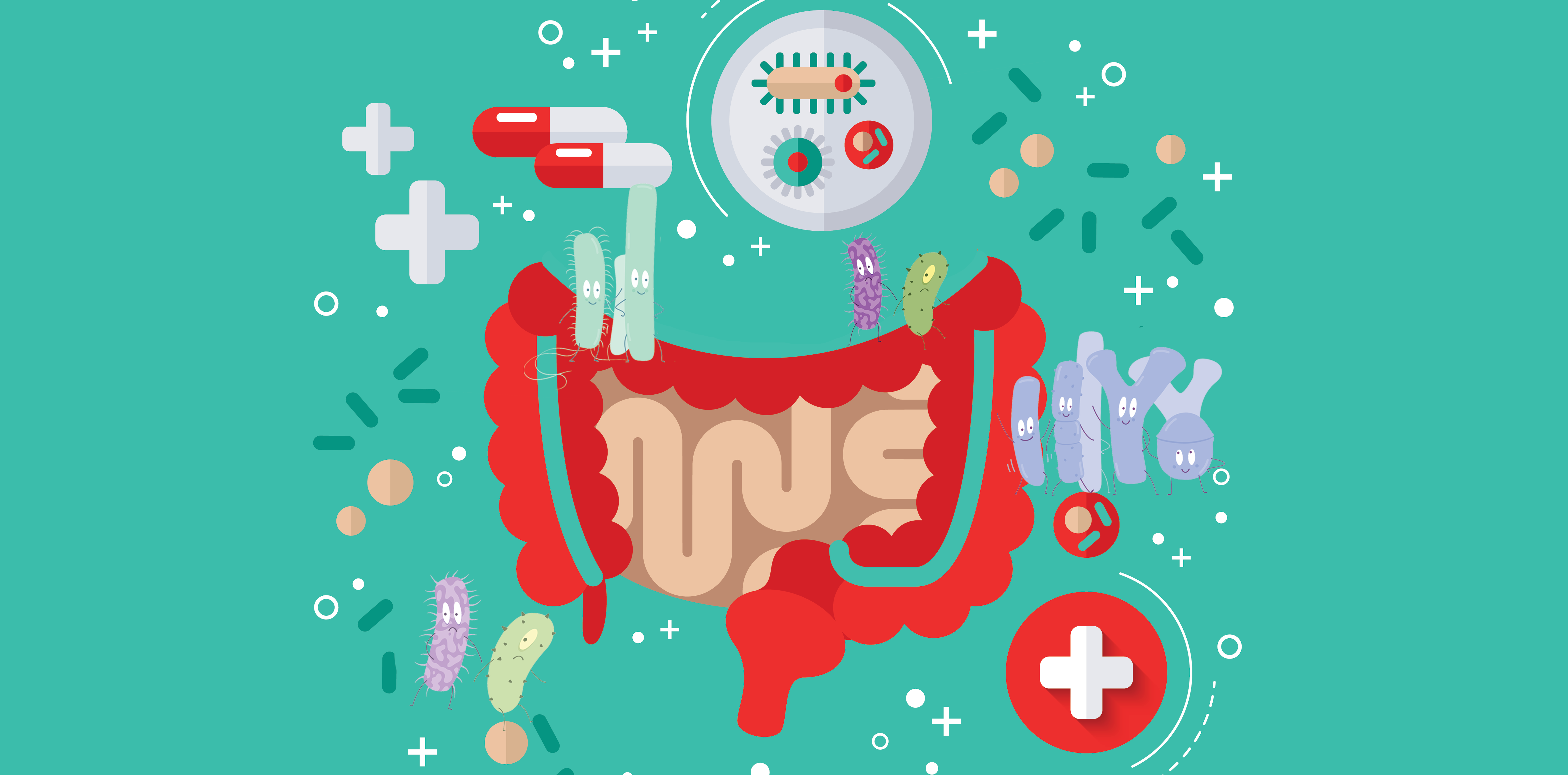
- The gut microbiota consists of microorganisms such as bacteria that resides in the gut.
- An imbalanced gut microbiota (also termed as dysbiosis) has been linked to certain diseases and disorders, many of which may even be seemingly unrelated to the gut and the gastrointestinal system.
- Health implications of an imbalanced gut microbiota include gut diseases, metabolic diseases, eczema, and neurological conditions.
- Ways to ensure a healthy gut microbiota include the use of prebiotics and reducing the intake of sugar.
The gut microbiota consists of microorganisms such as bacteria that resides in the gut. The number of cells and bacterial genetic material harbored within the human body easily outnumbers the number of human cells and genetic materials [1]. An imbalanced gut microbiota (also termed as dysbiosis) has been linked to certain diseases and disorders, many of which may even be seemingly unrelated to the gut and the gastrointestinal system. What are they, and why do they occur? What are some tips you can take to maintain a healthy gut microbiota? Read on to find out more.
1. Gut Diseases
According to a review, an imbalanced gut microbiota is associated with a whole range of gastrointestinal diseases. These diseases range from Crohn’s disease, Irritable Bowel Syndrome (IBS), celiac disease, constipation, bloating, and diarrhea [1]. Possible mechanisms could be due to the gut microbiota's roles in modulating inflammation and immunity [1].
2. Metabolic Diseases
The gut microbiota is involved in the absorption of nutrients, harvesting of energy, processing of excess carbohydrates and production of metabolites such as short-chain fatty acids (SCFAs). When the gut microbiota is unable to function optimally due to an imbalance, the risk of metabolic diseases such as diabetes and obesity increases [1].
3. Eczema
Some studies show that there is an association between low gut microbiota diversity and eczema. The gut microbiota composition of children with eczema had significantly lower beneficial bacteria diversity, specifically the Bacteroidetes phylum, when compared with children without eczema [1].
4. Neurological Conditions
It has been well established that the gut and the brain is connected via the gut-brain axis. An imbalanced gut microbiota can lead to higher levels of inflammation in the body, which may affect the central nervous system and lead to symptoms of depression and anxiety [2].
The good news is, there are ways to improve the gut flora to enhance its health. Here are 4 ways we can do to improve our gut microbiota and gut health:
1. Start intake of prebiotics
Prebiotics are substances found in certain foods that, when taken, function as nutrients to feed the gut bacteria and gut microbiota to encourage their growth and activities. Examples of food that contain prebiotics are corn, whole grains, banana, asparagus, garlic and onion. Hence, it is important to include them in your diet. Fortunately, prebiotics are available in the form of dietary fiber supplements as well [3].
2. Cut back on sugar intake
High sugar consumption has been associated with reduced levels of beneficial gut bacteria. It leads to a decrease in flora diversity and an increase in the pro-inflammatory pathogens. Hence, it is crucial to limit sugar intake especially from high glycemic sources such as soft drinks, candies and white rice [3].
3. Only take antibiotics when you need them
Antibiotics work by killing microorganisms or limiting their growth. Their effects are not only limited to pathogens but can affect the beneficial gut bacteria too. Always discuss with your healthcare professionals before taking or stopping the use of antibiotics [3].
4. Stress management
There are some ways to manage stress, such as exercising, sleeping, listening to music or playing games. You may also try meditations or yoga. Most importantly, try to get sufficient sleep of at least 8 hours of sleep every night, which may also reduce the risk of inflammatory diseases.
 Irritable Bowel Syndrome (IBS): Types, Symptoms, and Treatment
Gut Microbiota and Its Implications in Diabetes and Blood Sugar
Gut-Brain-Immune Axis: An Introduction

- Gut microbiota is the term used for describing the composition of microorganisms present in the gut. They include different types of microorganisms ranging from bacterial, to viral, to fungal species.
- A healthy gut comprises a set of gut microorganisms (and gut microbiota) that is largely beneficial to our health and in the meantime minimizing the species that are detrimental to us.
- Our innate set of gut microbiota is thought to be the most suitable and optimum for oneself. This optimum composition deteriorates due to several factors, leading to poorer gut health which may lead to negative health effects.
- The gut microbiota is important due to its multiple functions, including the absorption of nutrients, supporting neurological functions, and influencing metabolic processes.
The human digestive system is simple yet complex at the same time. It harbors communities of microorganisms, some of which are beneficial while others are not. Many factors contribute to the establishment of these bacteria in the gut. The food we eat is one major contributor. According to a study, about 60 tons (60,000 kg) of food passes through the gastrointestinal (GI) tract in an average lifespan [1]. An abundance of microorganisms and substrates are carried along with the food and other digested materials. These foreign microorganisms, along with the innate microorganisms found in our gut, make up the gut microbiota.
Biota is coined from the Latin word biote, meaning 'life'. Gut microbiota is the term used for describing the composition of microorganisms present in the gut. They include different types of microorganisms ranging from bacterial, to viral, to fungal species, which form symbiotic relationships with the host. Studies have shown that there are 1014 of these microorganisms present in the GI tract, making it approximately ten times more than the number of human cells in the body [2]. Due to these symbiotic relationships between the microorganisms and the human cells, the human body is considered a superorganism.
A healthy gut comprises a set of gut microorganisms (and gut microbiota) that is largely beneficial to our health (e.g., Lactobacillus and Bifidobacterium spp.), and in the meantime minimizing the species that are detrimental to us [3]. Our innate set of gut microbiota is thought to be the most suitable and optimum for oneself and it starts developing as early as when the fetus is in the mother’s womb [4]. This optimum composition deteriorates as we age. Along with poorer modern-day diets lacking in prebiotics (i.e., food for the beneficial gut bacteria) as well as increased use of medications such as antibiotics, the composition and amount of good gut bacteria decrease even faster.
This would lead to poorer gut health which may lead to negative effects such as constipation, unhealthy blood pressure [5], sugar [6] and cholesterol levels [7], as well as poor cardiovascular [8], respiratory [9] and immune health [10].
The gut microbiota has many functions in the human body, ranging from those related to the gastrointestinal system to metabolism. These roles and functions include aiding in the absorption of nutrients, controlling the population of pathogens, supporting neurological functions and influencing key metabolic processes. Here are 4 key functions of the gut microbiota:
1. Absorption of nutrients
The gut microbiota helps in the fermentation of food molecules such as prebiotic and production of some vitamins like vitamin B and K. It also influences the metabolism of nutrients due to its interactions with the epithelial receptors along the GI lining [11].
2. Controlling population of pathogens
The competitive-exclusion effect of the gut microbiome is one of the many ways it limits the growth of pathogens in the gut. The gut microbiota competes with these foreign microorganisms for nutrients and at the same time, it secretes antimicrobial compounds such as bacteriocins, which prevent the foreign microorganisms from flourishing and harming the host [11].
3. Supporting neurological functions
The digestive tract and the brain communicate with each other through a connection known as the gut-brain axis. Messages in the forms of hormonal, immunological, and neural signals travel back and forth between the central nervous system and the gut via this axis. This enables the brain to control certain GI functions such as movement of food through the digestive tract and the release of digestive enzymes. The gut microbiota produces substances such as short-chain fatty acids (SCFAs) and neurotransmitters that may affect these transmissions [11].
4. Influencing key metabolic processes
The gut microbiota can influence key metabolic processes such as insulin sensitivity, glucose tolerance, fat storage, and appetite, mainly through the regulation of gut hormones release [12].
Gut-Brain-Immune Axis: An Introduction
Gut Microbiota and Its Implications in Diabetes and Blood Sugar

Your digestive system is the first contact between the external environment and your internal body. As the saying goes, 'You are what you eat', the importance of the health of your digestive system cannot be undermined. Here are 6 tips on how you can improve on your digestive health!
Dietary fiber is also known as bulk or roughage. They are a type of carbohydrate our body cannot digest. It may be commonly found in cereals, fruits, and vegetables. Intake of dietary fiber has its benefits, such as improving digestion and regulating the bowels to manage constipation. It also facilitates the fermentation of short chain fatty acids (SCFAs) to help increase muscle contraction of the large intestine. These SCFAs are produced as by-products when the bacteria in the gut (known as the gut microbiota) metabolize these dietary fiber in the large intestines.
According to the National Academy of Medicine, the recommended intake of dietary fiber for men is 30-38 grams per day and 21-25 grams daily for women. The recommended daily intake for children is 19-25 grams daily [1].
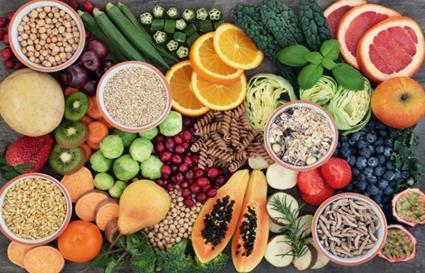
Figure 1. Fruits and vegetables
Processed food contains trans-fat that may be associated with inflammatory bowel diseases (IBD), such as Crohn's disease and ulcerative colitis [2]. It also contains high quantity of salt and low fiber content. Salt has also been known to have dehydrating effects that results in constipation [3]. You should opt for fresh fruits and vegetables with enough dietary fiber or poultry instead of processed meat.
Probiotic foods are fermented food containing good bacteria naturally found in the intestine [1]. These bacteria improve intestinal health by helping food digestion and influencing your immune system. Examples of probiotic food include yogurt, cottage cheese, apple cider, and buttermilk. Probiotics are also available in supplements, functioning similarly to fermented food. The American Association of Family Physician (AAFP) recommends a daily intake of 1 billion to 10 billion CFUs (colony forming units) [4].

Figure 2. Dairy products (including yogurt and cheese)
It is important to feed both the good bacteria from probiotics as well as those innately present in your digestive system. Prebiotics are used by these good bacteria to manage their activities and compositions. Prebiotics remain indigestible by your body but are digested by probiotics. Simply put, they are food for probiotics. In addition, prebiotics may provide health benefits of their own when taken in adequate amounts.
Prebiotics are present in high fiber food such as chicory root, garlic, onions, wheat bran, and barley, etc. They can also be taken in the form of dietary supplements. Some of the most commonly studied prebiotics include inulin, fructo-oligosaccharides (FOS), and galacto-oligosaccharides (GOS). The International Scientific Association for Probiotics and Prebiotics (ISAPP) recommends a daily intake of 5 grams of FOS and GOS, including from dietary sources [5].
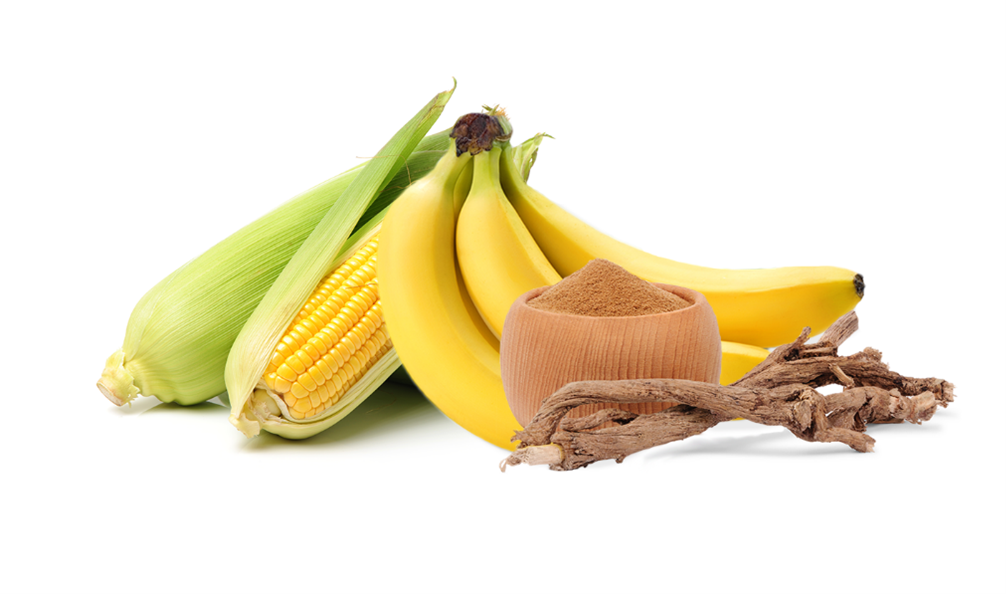
Figure 3. Foods rich in prebiotics
Not only does exercising regularly help you stay in shape and keep you active, it also has benefits related to your digestive health. A study has shown that spending 40 minutes, three times a week on moderate exercise, may decrease the time taken for food particles to pass through the digestive tract [6]. This can help with decreasing the incidence of constipation and improve bowel regularity.

Figure 4. People exercising
Staying hydrated is very important to your gut’s health. The human body is composed of 60% water, and it requires a constant intake of water to function effectively. Dehydration causes a change in the acidity of the intestinal environment and water contents, and is often found to be a cause for dehydration [7]. The Institute of Medicine recommends that 2-3 liters of water be consumed daily for overall health [8].

Figure 5. Woman drinking a glass of water
Eating sufficient food rich in dietary fiber, prebiotics and probiotics is the best way to care for your digestive system. They also come in supplements that help meet the daily intake requirements.
6 Tips on Increasing Dietary Fiber Intake
Prebiotic: Gut Microbiota, Gut Health, and Beyond

- Our digestive system starts from the mouth and ends with the rectum and anus.
- Studies have shown that a majority of human diseases are a result of the inability of the digestive system to function well.
- A healthy digestive system confers multiple health benefits, including a stronger immune system, healthier body weight, removal of toxins, and regular bowel movements.
- Detrimental effects of an unhealthy digestive system include acid reflux, gallstones, constipation, diarrhea, IBS, and hemorrhoids.
The digestive system consists of organs functioning together to convert your food into usable energy. This system contains organs starting from the mouth, to the stomach, to the intestines, ending with the rectum and anus. It plays an important role in your body’s general well-being. Studies have shown that a majority of human diseases are a result of the inability of the digestive system to function well [1]. This article contains a summary of the benefits of a healthy digestive system as opposed to the detrimental effects of an unhealthy one.
First of all, let's look at what defines a healthy digestive system. A healthy digestive system is a collection of digestive organs and the gastrointestinal (GI) tract functioning at optimum to convert food into energy. The GI tract consists of the mouth, esophagus, stomach, and intestines. The digestive organs on the other hand consist of the liver, gallbladder, and pancreas.
These organs break down consumed food and convert them into basic nutrients to be absorbed into the blood by the small intestine. As blood flows around the body, it carries these nutrients with it to supply to cells for energy. On the other hand, the large intestine is responsible for removing undigested food from the system.

Figure 1. Gastrointestinal tract and digestive system
A healthy digestive system confers multiple health benefits, which extends beyond simply the health of your gut and gastrointestinal system. These benefits include:
1. Stronger immune system
Your immune system is associated with your digestive system in a way. There are ‘good’ bacteria in the digestive system and studies have shown that the cells in the intestine secret antibodies in relation to these good bacteria and the microorganisms' environment [2]. This helps to regulate and develop your immune system against foreign pathogens. A healthy digestive system also acts as a first-line of defense against incoming pathogens that enters via the GI tract.
2. Managing healthy weight
A healthy digestive system may help you to manage and maintain a healthy body weight. Your body burns calories during metabolism to convert food into energy. In other words, your digestive system uses part of the energy gained from food during digestion and reduces the amount of energy stored in the body. The presence of a healthy gut flora and microbiota has also been associated with weight loss and reduced intestinal inflammation [3].
3. Removing toxins
Body detoxification is another benefit of a healthy digestive system. Not everything you eat is beneficial to your body, which is one of the reasons why the body expels it. During digestion, the liver functions in processing these toxins [4]. It separates toxins from nutrients and converts them to other forms for removal. Some examples of toxins that are broken down by the liver are ammonia, excess proteins and even medications.
4. Regulating bowel movement
The hallmark of a healthy digestive system is having regular bowel movements. A healthy digestive system with a healthy level of gut microbiota has been associated with a more regular bowel movement and less chances of constipation [5]. Conversely, a healthy gut microbiota and bacterial environment is also important in preventing an individual from experiencing diarrhea [6].
Similarly, when your digestive system is in poor health, there may be recurring problems as such:
1. Acid Reflux
Acid reflux or gastro-esophageal reflux occurs when the stomach acid moves up into the esophagus, which leads to burning of the throat. Common symptoms of acid reflux include burning sensation in the chest, lump sensation in the throat, and chest pain [7]. Frequent occurrence of acid reflux may lead to Gastroesophageal Reflux Disease (GERD).
2. Gallstones
Another detrimental effect of an unhealthy digestive system is formation of gallstones. They are formed when bile secretion is hardened and deposited in the gall bladder. It is also caused by high cholesterol intake and incomplete emptying of the gallbladder, which may occur when your digestive system is not in optimal health to aid in complete digestion of food materials.
3. Constipation
Constipation occurs when bowel movements are not as frequent as they ought to be. It is caused by dehydration and imbalances in the intestinal acidity. This condition is accompanied by hard and painful bowel movements. It may also lead to hemorrhoids from overexertion during defecation. When you have an unhealthy digestive system, you are more likely to be prone to digestive issues such as constipation, which can lead to other complications such as hemorrhoids (see below).
4. Diarrhea
On the other hand, people with an unhealthy digestive system may also experience frequent diarrhea. Diarrhea occurs when bowel movements are too frequent, and/or when your stools are too loose and watery. This condition may be caused by bacterial infections or intolerance to certain foods. The management of diarrhea depends on the etiology of it: speak to your healthcare professional who will be able to access your condition and prescribe the appropriate treatment modality for the cause of your diarrhea.
5. Irritable Bowel Syndrome (IBS)
IBS is another detrimental effect of an unhealthy digestive system. It is a gastrointestinal disorder accompanied by pain in the abdomen, constipation and/or diarrhea, and excessive bloating. Guidelines have also recommended the use of dietary fiber to manage global symptoms of IBS, such as abdominal pain and constipation / diarrhea [8, 9].
6. Hemorrhoids
Hemorrhoids, or also commonly known as piles, form when blood vessels inside the rectum become swollen due to the pooling of excess blood in the rectum. It is commonly associated with constipation and prolonged sitting on the toilet. All these causes blood flow to be affected, leading to pooling in the rectum. Some symptoms include rectal bleeding during defecation. Intake of dietary fiber is also recommended for people who are experiencing hemorrhoids, to reduce bleeding and inflammation [10].
Gut-Brain-Immune Axis: An Introduction
Irritable Bowel Syndrome (IBS): Types, Symptoms, and Treatment
4 Health Benefits of Dietary Fiber

Experiencing poor digestive health or constipation? Need some help in adding more dietary fiber into your diets? Try these 6 tips to incorporate more dietary fiber into your daily regime and foods!
Legumes are a great source of fiber! Some examples of legumes include: chickpeas, kidney beans, soybeans, and peanuts. You can consider including these legumes into your daily meals, or even replacing your meat with legumes for a healthier options.
White rice refers to rice with its husk, bran and germ removed through a milling process to prolong its shelf-life, while brown rice has them intact. The husk, bran and germ in the brown rice contains nutrition such as fiber. To include more dietary fiber in your daily meals, you can start slowly changing your white rice to brown rice, and aim to have at least half of your entire portion as brown rice, if not all.
When looking out for bread or pasta, look for whole wheat or whole wheat flour in the first item of the ingredient list. Some products will have labels indicating wholegrains too! They are healthier options as compared to processed choices, which tend to have high glycemic index.
Add vegetables to your favorite meats or have fresh fruits instead of cakes and ice creams as your desserts. Moreover, fruits and vegetables are also rich in vitamins, minerals and antioxidants - additional reasons to increase your intake of these foods!
If you have a habit of snacking, pack your choices with nuts, dried fruits, wholegrain biscuits or fresh fruits, and avoid unhealthy options such as crackers, sweet candies, or chocolates.
Taking dietary fiber supplements is another way to increase your daily fiber requirement. However, do note that they should not replace your food sources of dietary fiber entirely as food sources contain a variety of other essential vitamins and minerals too. Some examples of ingredients in dietary fiber supplements include resistant maltodextrin, psyllium, wheat dextrin, inulin and methylcellulose.

Dietary fiber is well-known to be beneficial for health. But did you know that other than the effects it has on your gut health, it also has a myriad of other benefits ranging from controlling blood sugar levels and cholesterol levels? How does dietary fiber help in improving them? Read on to find out more about the 4 health benefits of dietary fiber, and start your journey to maintain a healthy lifestyle!
Perhaps the most well-known function of dietary fiber is its role it plays in maintaining good digestive health. People with optimal digestive health usually experience fewer gastrointestinal symptoms, such as constipation and/or diarrhea.
There are 2 types of dietary fiber which help improve bowel movement in different ways:
- Insoluble fiber helps to increase bulk to promote regular bowel movement. - Soluble fiber absorbs water in the intestines, which helps softens the stool for smoother bowel movements.
Satiety is the feeling of fullness after eating. Studies have also shown that taking dietary fiber is associated with a lower body weight, and managing satiety (which in return leads to a reduction in energy and calorie intake) has been touted as a possible explanation for this [1].
Dietary fiber increases the time taken for food to move from your stomach into your intestine and this keeps you feeling full for a longer time, thus possibly reducing your appetite and energy intake. In addition, food with higher dietary fiber content takes a longer time to chew, thus slowing down your food intake [2].
Some studies have shown that even a small increase in intake of dietary fiber may help improve sugar level in the blood. Dietary fiber may delay the absorption of glucose into the bloodstream from the digestive tract. Hence, reducing sudden spikes of glucose in the blood and enabling the body to manage blood sugar level more efficiently [3]. Some soluble fiber may also form gel-like substance in the stomach, which can also slow down digestion [4].
Cholesterol plays a role in bile production in the body. When dietary fiber is present in the diet, it hinders the reabsorption of bile and hence the body will be required to replace the unabsorbed bile salts. This increases the amount of cholesterol being removed from the blood for bile production [5]. Soluble fiber has been shown to be associated with a small but significant decrease in total cholesterol as well as low-density-lipoprotein (LDL) cholesterol (also often terms as the 'bad' cholesterol) [6].
What is Dietary Fiber & Why is it Important?
Gut Microbiota and Its Implications in Diabetes and Blood Sugar

- Dietary fiber is a type of complex structured carbohydrate that does not get digested and absorbed in the small intestine.
- Undigested fiber passes through the large intestine, where some are fermented by bacteria, producing metabolites such as short-chain fatty acids (SCFAs).
- Dietary fiber ca be classified into soluble fiber and insoluble fiber.
- Benefits of increasing your dietary fiber intake include satiety, regulating bowel movements, and managing blood sugar and cholesterol levels.
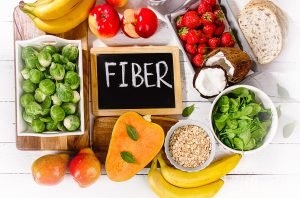
Dietary fiber is a type of complex structured carbohydrate that does not get digested and absorbed in the small intestine. It reaches the large intestine mostly intact where it is partially or fully fermented by gut microbes [1].
Fiber is naturally present in plants and its functional derivatives are the following:
- Cellulose - Resistant Dextrins - Hemicellulose - Oligosaccharides - Resistant Starch - Chitins - Pectins - Beta-Glucans - Lignin
Generally, most types of carbohydrates are broken down into sugar molecules by various enzymes in the human system. However, dietary fiber are not completely broken down into digestible sugar molecules in the small intestine, as humans lack the necessary enzymes to break down the chemical bonds in the fiber molecule. Undigested fiber then passes through the large intestine, where some are fermented by bacteria. The by-products of this fermentation are carbon dioxide, methane, hydrogen, and short-chain fatty acids (SCFAs). It should be noted that certain types of fiber may cause an increase in gas production which leads to bloating [2].
Fiber is classified as soluble fiber and insoluble fiber.
Soluble fiber
Soluble fiber readily dissolves in liquids. Some types of soluble fiber are viscous and will form a gel-like substance in the gastrointestinal tract during the digestion process. The other non-viscous type of soluble fibers are fermented in the large intestine to provide several physiological benefits. This type of fiber may increase the fecal stool bulk as well as soften it so that it slides easily through the large intestine.
Soluble fiber is present in corn, apples, oranges, grapes, dry beans, lentils, peas, barley, oats and the likes thereof.
Insoluble fiber
It is the type of fiber which does not readily dissolve in liquids and remains relatively unchanged in the gastrointestinal tract during the digestion process. Insoluble fiber prevents constipation by adding bulk to fecal content in the large intestine. Generally, insoluble fiber is minimally fermented. Insoluble fiber is present in vegetables, whole grain products, whole wheat bread, bran, pasta, crackers, edible seeds, brown rice and the likes thereof [3].
Adding fiber to your daily diet is imperative and has numerous benefits. It helps provide satiety without the need to consume large quantities of food. Thus, this prevents intake of excessive calories and fosters weight management.
Dietary fiber helps to regulate daily bowel movements. Soluble dietary fiber helps mainly by softening stools so that they slide easily through the large intestine, and hence reduces the frequency of constipation. It also helps increase peristaltic movements and reduces the time that waste matter remains in the colon. Also, in episodes of loose watery stools, soluble fiber absorbs the excess water and adds bulk to the stools. This contributes to the maintenance of a healthy bowel movement routine [4].
A diet rich in soluble fiber may help to manage elevated cholesterol levels in the blood. Fiber may also have a role in maintaining blood glucose level by slowing the absorption of glucose. Along with intake of high fiber diet, it is important to also increase water intake [5].
The US Dietary Guidelines recommends a daily requirement of dietary fiber of 21g to 38g, depending on calorie requirements [6].
- Dietary sources: Fiber can be naturally obtain from food sources such as fruits, vegetables, beans or wholegrain cereals. - Other sources: In addition to food sources, fiber intake can be increased from dietary supplements that contain ingredients such as resistant maltodextrin, psyllium, methylcellulose or inulin.
4 Health Benefits of Dietary Fiber
 6 Tips on Increasing Dietary Fiber Intake
 What is the Gut Microbiota?
 English
 Arabic
 Chinese (Simplified)
 Dutch
Dutch French
 German
 Indonesian
 Italian
 Japanese
 Korean
 Malay
Malay Portuguese
 Spanish
 Tamil
Tamil Thai
Thai