

- It is estimated that about 12% of American adults have high cholesterol levels.
- There are 2 main ways in which cholesterol can be obtained: exogenous and endogenous.
- Our gut microbiota may be able to alter blood cholesterol levels through several mechanisms.
- Several studies have also shown that prebiotics (which are selectively utilized by the beneficial gut bacteria) are able to lower cholesterol levels via several mechanisms.
Cholesterol is a key component in many cellular structures such as the cell membranes and a precursor to hormones such as steroids in the body. It is widely understood that high levels of it (i.e., hypercholesterolemia) are linked to atherosclerosis (i.e., building up of plagues in the blood vessels) [1] and cardiovascular diseases such as heart attacks and strokes [2]. It is estimated that about 12% of American adults have high cholesterol levels [3].
Cholesterol in the human body is being carried through the blood by proteins called lipoproteins. These proteins can be generally classified into 2 types [4]:
- High-Density Lipoprotein cholesterol (HDLc) (the ‘good’ cholesterol) - Low-Density Lipoprotein cholesterol (LDLc) (the ‘bad’ cholesterol)
There are 2 main ways in which cholesterol can be obtained [5]:
- Exogenous: dietary uptake, which accounts for about a quarter of total cholesterol - Endogenous: produced within the body by the liver
The health of our gut is largely dependent on the health of our gut microbiota, which is the unique collection of microbes residing in our gut. Recent studies have shown that the health of our gut is linked to cholesterol levels. Find out more about their associations and what can be done to improve our gut health and gut microbiota.
Our gut consists of trillions of microorganisms (or microbes), termed as the gut microbiota. These microorganisms can be bacteria, virus, and fungi. This set of microorganisms in our gut is unique to everyone, depending on several factors such as environmental, lifestyle, dietary habits, and antibiotics consumption [6]. This set of microbes feed on prebiotics to form metabolites such as short-chain fatty acids (SCFAs) and butyrate which confers health benefits to us, which include healthy blood sugar [7], blood pressure [8], immune health [9], and many more.
The innate set of gut microbiota is thought to be the most optimum for oneself, and this composition and amount of good gut bacteria decrease as we age, along with modern-day diets lacking in prebiotics (i.e., food for the good gut bacteria) and increased consumption of antibiotics.
Studies have shown that the gut microbiota may be able to alter blood cholesterol levels, through their role in bile acid metabolism. Both sources of cholesterol pass through the gut, which implies that the gut microbiota may have effects on its levels [10].
Previous research in mice have shown that gut bacteria is able to metabolize cholesterol into a compound called coprostanol, which can aid in reducing cholesterol absorption and blood cholesterol levels [11]. This has also been reflected in recent human studies, which showed that subjects with coprostanol-forming microbes have lower blood cholesterol levels [12].
Another study done in mice also had similar results. Investigators wiped out the gut microbiota of mice using several antibiotics, and they found out that blood cholesterol level was 55% higher than mice who did not had their gut microbiota wiped out [13]. The authors concluded that this phenomenon occurred due to the gut microbiota influencing cholesterol homeostasis and metabolism, including synthesis by the liver [13].
SCFAs are also produced by the gut microbiota because of fermentation of prebiotics (e.g., resistant starch, dietary fibers). High SCFA concentration in the colon can impact microbial communities, inhibiting growth of bad bacteria (such as Salmonella) and promoting growth of beneficial bacteria (such as Lactobacilli and Bifidobacteria), which have been known to reduce risk of cardiovascular diseases [5]. Such SCFAs including propionate and butyrate also have the potential to lower cholesterol synthesis, hence reducing levels in the blood [14].
Prebiotic has been officially defined by the International Scientific Association for Probiotics and Prebiotics (ISAPP) as ‘a substrate that is selectively utilized by host microorganisms conferring a health benefit’ [15]. In simple terms, they are food for the beneficial gut bacteria, as they are resistant to digestion from the body’s enzymes and travel down to the colon largely intact.
Several studies have also shown that prebiotics such as inulin are able to reduce the formation of atherosclerotic plagues in mice [16]. It has also been theorized that prebiotics are able to lower cholesterol levels via 2 mechanisms [17]:
- Decreasing cholesterol absorption and increasing excretion - Indirect effect: producing SCFAs by the gut microbiota, resulting in positive effects on cholesterol metabolism (as described above)
Although there are medications like statins to lower cholesterol, it is important to also use non-pharmacological methods to maximize outcomes. Other than the usual ways of adopting healthy habits such as engaging in physical activity and losing weight, improving our gut health to promote the growth of beneficial gut bacteria may be another viable way.
Prebiotics encourage the healthy balance of your unique set of resident gut microbiota, creating an environment whereby beneficial bacteria flourish and crowd out unwanted bacteria. This can help in 2 ways:
- Growth of innate healthy and beneficial gut bacteria - Enhances effects of probiotics supplements, by allowing the beneficial strains to feed on them and increase their chances of survival and proliferate in the colon
Take foods that are rich in prebiotics, including onions, garlics, and wholegrains. If your diet is consistently lacking in such foods, you may also consider adding prebiotic supplements to your food and/or beverages to obtain your daily requirement of prebiotics.
Although high cholesterol does not show any symptoms on its own, it is a huge risk factor for cardiovascular conditions like heart attacks and stroke, which accounts for one of the highest causes of disease and death in many parts of the world. The health of your gut and gut microbiota has been shown to be associated with lower levels of blood cholesterol. One way to improve the health of your gut microbiota is through prebiotics, which encourages the healthy balance of our microbes in our gut.
 Gut Health and Blood Pressure (Hypertension): How Are They Related?
 Prebiotic: Gut Microbiota, Gut Health, and Beyond

- Our gut consists of different types of microorganisms, including bacteria, fungi, and viruses, and this composition is unique to everyone. The gut microbiota also works and communicates with other systems such as the immune system and the central nervous system (including the brain), termed as the gut-brain-immune axis.
- The gut and brain communicate bi-directionally via several pathways, including endocrinological, neurological, and immunological.
- Consumption of dietary fiber and prebiotics promotes diverse microbiota growth and are also important in providing substrates for the gut microbiota to form metabolites, which confer health benefits to us and thus improve the gut-brain axis.
The human’s gut consists of a certain composition of beneficial microorganisms that is unique to every individual, which is also known as the gut microbiota. On top of the usual gastrointestinal processes such as digestion and absorption, this composition of microorganisms has also been found to play a significant role in several other functions and diseases that are otherwise seemingly unrelated to the gut. Why and how is this gut-brain-immune axis possible?
Read on to find out more about this fascinating interaction between the gastrointestinal system, central nervous system, and the immune system.
Before we try to understand this complex interaction of the gut-brain-immune axis, let’s first understand what the gut microbiota is, what it does, and what happens when there is a change in this composition.
The gut microbiota consists of different types of microorganisms, ranging from bacteria, fungi, and viruses [1]. This composition is unique to everyone due to the impact from multiple factors including environmental and lifestyle factors [2]. One of the functions of the gut microbiota is to break down indigestible substrates like dietary fibers and intestinal mucus, producing short-chain fatty acids (SCFAs) and gases in the large intestine. These SCFAs are associated with several health benefits, including metabolism, homeostasis, controlling gut hormones, and lower rates of obesity [3].
Other gastrointestinal functions of the gut microbiota include the synthesis and absorption of vitamins and nutrients such as vitamin K and vitamin B, as well as maintain the integrity and structure of the gut barrier [4].
A change in the composition of the gut microbiota can happen due to several factors, including drugs (e.g., excessive use of antibiotics), toxins and pathogens [5]. This is also called ‘dysbiosis’, and this affects the permeability of the gut’s barriers.
Other than the effects the gut microbiota have on the gastrointestinal system, it also works and communicates with other systems such as the immune system and the central nervous system (including the brain).
The immune system is especially connected with our gastrointestinal system, as evidenced from the fact that more than 70% of immune cells are found in the gut [6]. The interactions between the gut microbiota and the immune system are thought to be via the SCFAs that are produced as by-products of the indigestible substrates (e.g., dietary fibers) [7]. These SCFAs are involved in the homeostasis of immune cells through several receptors [8], and act as key metabolites for the functioning of the intestinal surface layer. The intestinal surface layer, where the gut microbiota resides, also acts as a first line of defense for the body against incoming pathogens.
The gut microbiota also has a bidirectional communication with the central nervous system (CNS), including the brain. This interaction is often coined as the ‘gut-brain axis’. For one, the gut is physically connected to the nervous system and the brain via the vagus nerve. It is thought that the interaction between the gut and brain also otherwise happens via several pathways [9]:
Neurological
SCFAs such as butyrate (produced by the gut microbiota by breaking down dietary fiber) also affect CNS functions such as the formation of the blood brain barrier (BBB) [10], which shields the brain from toxic substances and filters chemicals to the blood [11].
Endocrinological
Chemicals that can affect brain cell physiology (i.e., neurotransmitters) are produced by some of the species within the gut microbiota [2]. One such neurotransmitter is serotonin, which also plays a part in affecting an individual’s mood.
Immunological
Gut microbiota also affects mucosal immune activation. An increase in inflammation was seen in studies involving mice after they were treated with oral antibiotics [9]. It is thought that this activation may be due to enzymes such as proteases [9].
Dysbiosis (i.e., alteration in the gut microbiota) is also associated with many hosts diseases, including diseases related and not related to the gastrointestinal system. Some of these includes [5]:
- Gastrointestinal system: irritable bowel syndrome (IBS), inflammatory bowel diseases (IBD) - Other body systems: asthma, allergies, obesity, cardiovascular diseases
The role of supplementation to improve the gut health is not only important for the gut’s health but is also paramount for the development of other crucial systems such as the immune system and nervous systems. As mentioned in this article, dysbiosis has also been associated with several diseases, including even autism via the gut-brain axis [13]. Hence, developing the gut microbiota is an important thing to do that should not be missed out.
Consumption of dietary fiber and prebiotics promotes diverse microbiota growth [14]. Other than promoting for microbial growth, dietary fibers are also important in providing substrates for the gut microbiota to form SCFAs, which have been found to be beneficial in multiple functions and developments as described above in this article.
Another consideration may be the excessive use of antibiotics in children, which has been associated with dysbiosis as well. Antibiotics use has also been linked with several diseases such as asthma and juvenile arthritis [15]. Parents should also not request for antibiotics use excessively and unnecessarily for their children to prevent possible dysbiosis as well.
The benefits of a healthy gut extend beyond the gastrointestinal system. Healthy gut microbiota has also been thought to have beneficial effects on the health of other systems, particularly the immune and nervous systems. Consider better nutrition and supplementations to improve our gut health, which have beneficial effects extending beyond that and into the nervous and immune systems.
Prebiotic: Gut Microbiota, Gut Health, and Beyond
 Gut Health and Inflammatory Bowel Disease (IBD)
 Irritable Bowel Syndrome (IBS): Types, Symptoms, and Treatment

Your digestive system is the first contact between the external environment and your internal body. As the saying goes, 'You are what you eat', the importance of the health of your digestive system cannot be undermined. Here are 6 tips on how you can improve on your digestive health!
Dietary fiber is also known as bulk or roughage. They are a type of carbohydrate our body cannot digest. It may be commonly found in cereals, fruits, and vegetables. Intake of dietary fiber has its benefits, such as improving digestion and regulating the bowels to manage constipation. It also facilitates the fermentation of short chain fatty acids (SCFAs) to help increase muscle contraction of the large intestine. These SCFAs are produced as by-products when the bacteria in the gut (known as the gut microbiota) metabolize these dietary fiber in the large intestines.
According to the National Academy of Medicine, the recommended intake of dietary fiber for men is 30-38 grams per day and 21-25 grams daily for women. The recommended daily intake for children is 19-25 grams daily [1].
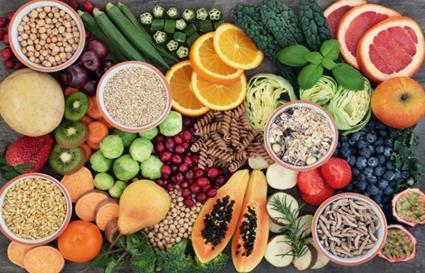
Figure 1. Fruits and vegetables
Processed food contains trans-fat that may be associated with inflammatory bowel diseases (IBD), such as Crohn's disease and ulcerative colitis [2]. It also contains high quantity of salt and low fiber content. Salt has also been known to have dehydrating effects that results in constipation [3]. You should opt for fresh fruits and vegetables with enough dietary fiber or poultry instead of processed meat.
Probiotic foods are fermented food containing good bacteria naturally found in the intestine [1]. These bacteria improve intestinal health by helping food digestion and influencing your immune system. Examples of probiotic food include yogurt, cottage cheese, apple cider, and buttermilk. Probiotics are also available in supplements, functioning similarly to fermented food. The American Association of Family Physician (AAFP) recommends a daily intake of 1 billion to 10 billion CFUs (colony forming units) [4].

Figure 2. Dairy products (including yogurt and cheese)
It is important to feed both the good bacteria from probiotics as well as those innately present in your digestive system. Prebiotics are used by these good bacteria to manage their activities and compositions. Prebiotics remain indigestible by your body but are digested by probiotics. Simply put, they are food for probiotics. In addition, prebiotics may provide health benefits of their own when taken in adequate amounts.
Prebiotics are present in high fiber food such as chicory root, garlic, onions, wheat bran, and barley, etc. They can also be taken in the form of dietary supplements. Some of the most commonly studied prebiotics include inulin, fructo-oligosaccharides (FOS), and galacto-oligosaccharides (GOS). The International Scientific Association for Probiotics and Prebiotics (ISAPP) recommends a daily intake of 5 grams of FOS and GOS, including from dietary sources [5].
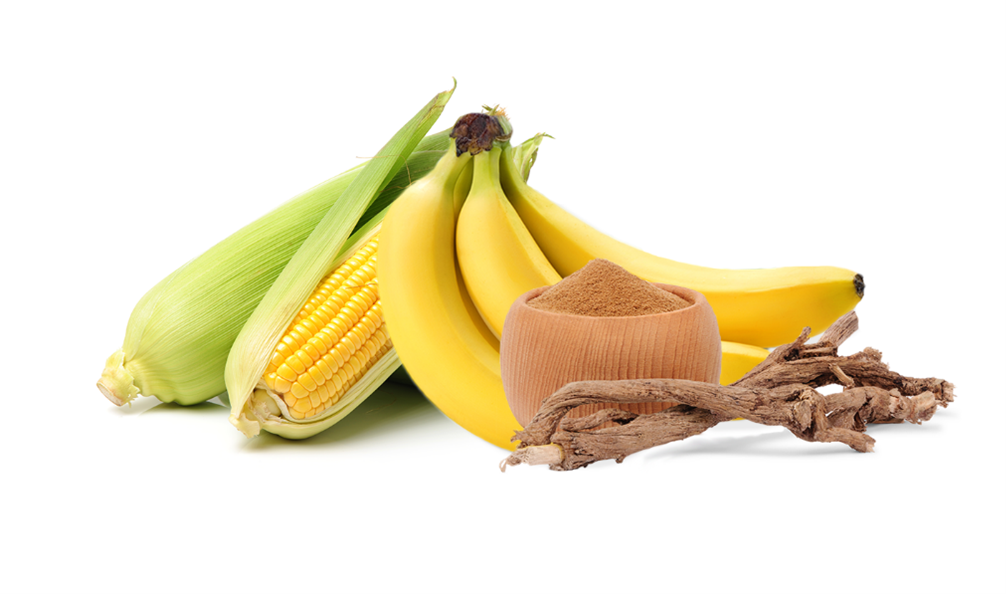
Figure 3. Foods rich in prebiotics
Not only does exercising regularly help you stay in shape and keep you active, it also has benefits related to your digestive health. A study has shown that spending 40 minutes, three times a week on moderate exercise, may decrease the time taken for food particles to pass through the digestive tract [6]. This can help with decreasing the incidence of constipation and improve bowel regularity.

Figure 4. People exercising
Staying hydrated is very important to your gut’s health. The human body is composed of 60% water, and it requires a constant intake of water to function effectively. Dehydration causes a change in the acidity of the intestinal environment and water contents, and is often found to be a cause for dehydration [7]. The Institute of Medicine recommends that 2-3 liters of water be consumed daily for overall health [8].

Figure 5. Woman drinking a glass of water
Eating sufficient food rich in dietary fiber, prebiotics and probiotics is the best way to care for your digestive system. They also come in supplements that help meet the daily intake requirements.
 6 Tips on Increasing Dietary Fiber Intake
Prebiotic: Gut Microbiota, Gut Health, and Beyond

- Our digestive system starts from the mouth and ends with the rectum and anus.
- Studies have shown that a majority of human diseases are a result of the inability of the digestive system to function well.
- A healthy digestive system confers multiple health benefits, including a stronger immune system, healthier body weight, removal of toxins, and regular bowel movements.
- Detrimental effects of an unhealthy digestive system include acid reflux, gallstones, constipation, diarrhea, IBS, and hemorrhoids.
The digestive system consists of organs functioning together to convert your food into usable energy. This system contains organs starting from the mouth, to the stomach, to the intestines, ending with the rectum and anus. It plays an important role in your body’s general well-being. Studies have shown that a majority of human diseases are a result of the inability of the digestive system to function well [1]. This article contains a summary of the benefits of a healthy digestive system as opposed to the detrimental effects of an unhealthy one.
First of all, let's look at what defines a healthy digestive system. A healthy digestive system is a collection of digestive organs and the gastrointestinal (GI) tract functioning at optimum to convert food into energy. The GI tract consists of the mouth, esophagus, stomach, and intestines. The digestive organs on the other hand consist of the liver, gallbladder, and pancreas.
These organs break down consumed food and convert them into basic nutrients to be absorbed into the blood by the small intestine. As blood flows around the body, it carries these nutrients with it to supply to cells for energy. On the other hand, the large intestine is responsible for removing undigested food from the system.

Figure 1. Gastrointestinal tract and digestive system
A healthy digestive system confers multiple health benefits, which extends beyond simply the health of your gut and gastrointestinal system. These benefits include:
1. Stronger immune system
Your immune system is associated with your digestive system in a way. There are ‘good’ bacteria in the digestive system and studies have shown that the cells in the intestine secret antibodies in relation to these good bacteria and the microorganisms' environment [2]. This helps to regulate and develop your immune system against foreign pathogens. A healthy digestive system also acts as a first-line of defense against incoming pathogens that enters via the GI tract.
2. Managing healthy weight
A healthy digestive system may help you to manage and maintain a healthy body weight. Your body burns calories during metabolism to convert food into energy. In other words, your digestive system uses part of the energy gained from food during digestion and reduces the amount of energy stored in the body. The presence of a healthy gut flora and microbiota has also been associated with weight loss and reduced intestinal inflammation [3].
3. Removing toxins
Body detoxification is another benefit of a healthy digestive system. Not everything you eat is beneficial to your body, which is one of the reasons why the body expels it. During digestion, the liver functions in processing these toxins [4]. It separates toxins from nutrients and converts them to other forms for removal. Some examples of toxins that are broken down by the liver are ammonia, excess proteins and even medications.
4. Regulating bowel movement
The hallmark of a healthy digestive system is having regular bowel movements. A healthy digestive system with a healthy level of gut microbiota has been associated with a more regular bowel movement and less chances of constipation [5]. Conversely, a healthy gut microbiota and bacterial environment is also important in preventing an individual from experiencing diarrhea [6].
Similarly, when your digestive system is in poor health, there may be recurring problems as such:
1. Acid Reflux
Acid reflux or gastro-esophageal reflux occurs when the stomach acid moves up into the esophagus, which leads to burning of the throat. Common symptoms of acid reflux include burning sensation in the chest, lump sensation in the throat, and chest pain [7]. Frequent occurrence of acid reflux may lead to Gastroesophageal Reflux Disease (GERD).
2. Gallstones
Another detrimental effect of an unhealthy digestive system is formation of gallstones. They are formed when bile secretion is hardened and deposited in the gall bladder. It is also caused by high cholesterol intake and incomplete emptying of the gallbladder, which may occur when your digestive system is not in optimal health to aid in complete digestion of food materials.
3. Constipation
Constipation occurs when bowel movements are not as frequent as they ought to be. It is caused by dehydration and imbalances in the intestinal acidity. This condition is accompanied by hard and painful bowel movements. It may also lead to hemorrhoids from overexertion during defecation. When you have an unhealthy digestive system, you are more likely to be prone to digestive issues such as constipation, which can lead to other complications such as hemorrhoids (see below).
4. Diarrhea
On the other hand, people with an unhealthy digestive system may also experience frequent diarrhea. Diarrhea occurs when bowel movements are too frequent, and/or when your stools are too loose and watery. This condition may be caused by bacterial infections or intolerance to certain foods. The management of diarrhea depends on the etiology of it: speak to your healthcare professional who will be able to access your condition and prescribe the appropriate treatment modality for the cause of your diarrhea.
5. Irritable Bowel Syndrome (IBS)
IBS is another detrimental effect of an unhealthy digestive system. It is a gastrointestinal disorder accompanied by pain in the abdomen, constipation and/or diarrhea, and excessive bloating. Guidelines have also recommended the use of dietary fiber to manage global symptoms of IBS, such as abdominal pain and constipation / diarrhea [8, 9].
6. Hemorrhoids
Hemorrhoids, or also commonly known as piles, form when blood vessels inside the rectum become swollen due to the pooling of excess blood in the rectum. It is commonly associated with constipation and prolonged sitting on the toilet. All these causes blood flow to be affected, leading to pooling in the rectum. Some symptoms include rectal bleeding during defecation. Intake of dietary fiber is also recommended for people who are experiencing hemorrhoids, to reduce bleeding and inflammation [10].
 Gut-Brain-Immune Axis: An Introduction
Irritable Bowel Syndrome (IBS): Types, Symptoms, and Treatment
 4 Health Benefits of Dietary Fiber
 What is the Gut Microbiota?