
- In recent years, researchers have begun to uncover the association between the gut microbiota and respiratory health via the gut-lung axis.
- Our lungs, which were traditionally thought to be sterile, are estimated to contain about 103 to 105 bacteria per gram of tissue.
- The gut and lungs communicate bi-directionally via their respective sets of microbiotas and the metabolites such as short-chain fatty acids (SCFAs) which are produced when good gut bacteria feeds on prebiotics.
Our lungs and respiratory system are vital for many bodily functions. Lung diseases remain as leading causes of death worldwide [1]. More people are now taking steps to maintain a healthy respiratory system and prevent lung diseases. In recent years, researchers have begun to uncover the association between the gut microbiota and respiratory health. Read on to find out more about the gut-lung axis.
Our gut consists of trillions of such microorganisms, including bacteria, viruses, fungi and protozoa species. This set of gut microbiota is unique to everyone and varies due to several factors including environmental, lifestyle, dietary habits, and consumption of medications such as antibiotics [2].
This innate set of gut microbiota (the set that we are born with) is thought to be the most optimum for oneself. This optimum composition deteriorates as we age. Along with poorer modern-day diets lacking in prebiotics (food for the good gut bacteria) as well as increased use of medications, the composition and amount of good gut bacteria decrease even faster.
An optimum gut microbiota consists of a healthy balance of both good and bad gut bacteria species, which leads to good gut health.
Recent technological advances have discovered the presence of microbes in our lungs, which were traditionally thought to be sterile [3]. In healthy lungs, it is estimated that there are about 103 to 105 bacteria per gram of tissue. This number is much lower compared to the lower gastrointestinal tract, where there are about 1011 bacteria cells per gram of tissue [3].
The colonization of bacterial species in the lungs depends on several factors such as air inhalation, migration of microbes from the oral cavity, and local conditions in the lungs such as pH, temperature and oxygen levels [3,4]. The bacterial species that reside in the lungs are similar to those in the gut, which consists of mainly Firmicutes and Bacteroidetes [5].
Although anatomically distinct, the gut and lungs communicate bi-directionally via their respective sets of microbiotas. This communication is referred to as the gut-lung axis [4]. Just as a healthy set of gut microbiota supports our cardiovascular health [6] and immune system [7], the health of the gut also affects our lungs.
Dysbiosis refers to an alteration of the gut microbiota and is associated with many inflammatory diseases both within and outside the gastrointestinal (GI) tract. Inflammatory diseases include inflammatory bowel disease (IBD) [8] and asthma [9]. Evidence of the gut-lung axis is further demonstrated in patients with chronic GI-related diseases such as IBD: these patients also tend to have a higher prevalence of respiratory-related diseases [10].
Other evidence that the gut and lungs communicate with each other [4]:
- Gut to lung microbiota: changes to an infant’s diet have been found to alter the lung microbiota - Lung to gut microbiota: influenza infection was found to induce changes in the gut microbiota, including a decrease in Lactobacillus species, a gut microbe species known to be beneficial to humans [11]
Good gut bacteria feed on prebiotics in a process called fermentation, which produces short-chain fatty acids (SCFAs). SCFAs such as butyrate and propionate have been found to have immunomodulatory and anti-inflammatory effects in the gastrointestinal tract [12].
These SCFAs also travel from the gut to the lungs, leading to local effects on the lungs such as modulating lung immune response and anti-inflammatory effects, which can potentially play a role in respiratory inflammatory diseases such as asthma [4]. Hence, dysbiosis at the gut level may affect immune responses in the lungs.
Ever since the COVID-19 pandemic started, more emphasis has been placed on the importance of lung health and ways to proactively support our lungs. The existence of the gut-lung axis shows that improving our gut microbiota through dietary changes and supplements such as prebiotics provides an opportunity to improve our lung health and protect against respiratory diseases such as asthma and COPD.
 Gut-Brain-Immune Axis: An Introduction
 Prebiotic: Gut Microbiota, Gut Health, and Beyond
 Keeping Your Gut Microbiota Healthy to Combat Long COVID and Severe COVID-19 Infection

- Cardiovascular diseases are the leading causes of death worldwide, taking almost 18 million lives every year
- Optimum gut health means having a right balance of good gut microbes against bad ones in our gut.
- Our gut health is associated with our cardiovascular health in 3 ways.
- Prebiotics could be used to enhance and regulate the health of the gut microbiota, thereby improving gut health and support our cardiovascular health.
Cardiovascular diseases are the leading causes of death worldwide, taking almost 18 million lives every year [1]. This group of diseases is comprised of conditions affecting the heart and blood vessels, including coronary heart disease, heart attack, and stroke being the more common ones. Some of the risk factors for developing heart diseases are [2]:
- High blood pressure (hypertension) - High blood cholesterol - Diabetes - Obesity - Lack of physical activity - Excessive alcohol - Smoking
Lifestyle changes such as diet modifications and increasing physical activities are ways to lower our risks of developing heart diseases. Here we explore how our gut health and microbiota affect our cardiovascular system.
Optimum gut health means having a right balance of good gut microbes against bad ones in our gut. This composition of microorganisms in our gut is collectively termed as gut microbiota. Our gut consists of trillions of such microorganisms, including bacteria, virus, fungi and protozoa species. This set of gut microbiota is unique to everyone and varies due to several factors including environmental, lifestyle, dietary habits, and consumption of medications such as antibiotics [3].
The good gut bacteria feeds on prebiotics, leading to the production of metabolites such as short-chain fatty acids (SCFAs) which confer health benefits to us. These benefits include healthy blood sugar [4] and pressure levels [5], and immune health [6]. The growth of good gut bacteria will in turn crowd out the bad ones, leading to a healthy balance of gut microbiota and optimum gut health.
This innate set of gut microbiota (the set that we are born with) is thought to be the most optimum for oneself, and this composition and amount of good gut bacteria decrease as we age, along with modern-day diets lacking in prebiotics (food for the good gut bacteria) and increased consumption of medications such as antibiotics.
Although anatomically distinct, our gut is intrinsically linked to our heart. Dysbiosis, which refers to the alteration of the gut microbiota balance, has been reported in patients with risk factors for cardiovascular diseases, such as hypertension [7]. Disruptions in gut microbiota can also lead to excessive accumulation of body fat in early ages [8].
Here are 3 ways the health of our gut affects cardiovascular health and the various cardiovascular diseases [9,10].
#1: Production of TMAO and its adverse effects on cardiovascular health
Trimethylamine N-oxide (TMAO) has been found to be associated with an elevated risk of cardiovascular diseases, as shown by research done by Wang et al. in 2011, published in the Nature journal [11]. Elevated TMAO levels were shown to accelerate atherosclerosis, which is a significant pathway in the development of cardiovascular diseases [11]. Other studies across the US and Europe have also generated similar results with regards to TMAO and its potential to increase cardiovascular disease risks [12,13]. Other than atherosclerosis, TMAO is also a strong predictor of clinical outcomes in patients with heart failure [14].
TMAO is produced mainly via a multistep pathway with the gut microbiota as the starting point. Our gut microbiota metabolizes certain types of nutrients including choline, phosphatidylcholine and carnitine into a compound called trimethylamine (TMA). This process is carried out by an enzyme called TMA lyase, which is encoded by certain type of gut microbial genes. TMA is subsequently oxidized into TMAO by certain types of liver enzymes. The precursors of TMAO (choline, phosphatidylcholine and carnitine) are mainly found in red meats, egg yolk and other meat products. Altered gut microbiota can result in an increase in the production of such toxic metabolites such as TMAO.
#2: Leaky gut hypothesis
In a healthy and normal state, there are mechanisms to ensure intestinal barrier function, including tight junctions, mucus production and immunity [9]. In heart failure patients, there is often impaired intestinal barrier function due to bowel wall edema, leading to this ‘leaky gut’ hypothesis [9]. This leaky gut will lead to gut bacteria and other bacterial products into the bloodstream, which can result in pro-inflammatory states for the body. This is usually correlated with heart failure symptom severity and poorer outcomes [15]. Studies have also shown that heart failure patients have higher endotoxin levels in the bloodstream [16]. Such leaky gut can be improved by improving the health of your gut microbiota, which can be done via taking prebiotics [17].
#3: Effects of SCFAs
SCFAs are produced from the fermentation of prebiotics by the gut microbiota. These metabolites include butyrate, propionate, and acetate. SCFAs have been shown to modulate several risk factors involve in cardiovascular diseases, such as blood pressure [18], lipid metabolism [19] and blood sugar homeostasis [20]. By modulating and reducing these blood markers, risk of developing cardiovascular diseases can be reduced. Recent studies have also suggested that SCFAs directly influence cardiac activities, such as repair of heart tissues after injury (such as heart attacks) [21].
One way to improve our gut health and gut microbiota composition is to take more prebiotics. Prebiotics act as food for the beneficial gut bacteria allowing them to grow and crowd out the harmful ones. By optimizing the balance of our gut microbiota, we improve our gut health which in turn support our cardiovascular system, through less production of toxic metabolites such as TMAO and increase production of beneficial ones such as SCFAs.
Restricting the types of food that give rise to TMAO may also be another lifestyle intervention that can help reduce risk of cardiovascular disease. Reducing intake of red meat can reduce our dietary carnitine and choline, thereby reducing TMAO levels as well.
Other than the benefits on cardiovascular health, optimum gut health can also support the health of other body functions and systems, such as:
- Metabolic markers: blood pressure, sugar and cholesterol - Immune health - Nervous system - Mental health - Healthy aging - Respiratory health - Skin health
Cardiovascular diseases such as coronary heart disease, heart attacks and stroke are some of the most common diseases and causes of death worldwide, and cost billions of dollars in healthcare expenditure. Besides reducing your risks through lifestyle modifications, you can also consider optimizing your gut health. Taking prebiotics enhances the beneficial gut microbiota, which in turn helps improve gut health leading to reduction in risks of cardiovascular diseases.
 Gut Health and Blood Pressure (Hypertension): How Are They Related?
Prebiotic: Gut Microbiota, Gut Health, and Beyond
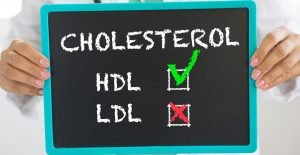 Good Gut Health Is Linked To Lower Cholesterol Levels

- As of 2022 July, over 500 million cases and 6 million deaths due to COVID-19 has been reported.
- Severity of COVID-19 infection is highly associated with immune responses and inflammatory markers.
- Recent studies have shown that severity of infection and symptoms of long COVID are associated with certain compositions of our gut microbiota.
- It is worthwhile to build up our gut health which is heavily involved in many other areas and systems of our body including immune health. This may be done by taking prebiotics.
COVID-19 pandemic has plagued the entire world since early 2020 and has been ongoing for more than 2 years now. As of 2022 July, over 500 million cases and 6 million deaths due to COVID-19 has been reported [1]. With the evolution of new variants and sub-variants of COVID-19, this virus is here to stay with us. How can we reduce the severity of COVID-19 infection and the risks of developing long COVID [2]?
Recent studies have shown that severity of infection and symptoms of long COVID are associated with certain compositions of our gut microbiota. How are they related, and what can you do to lower your risks? Read on to find out more.
The gut microbiota is the unique collection of the microorganisms residing in our gut, mainly the large intestines. It includes bacterial, viral, and fungal species. The health of our digestive system is largely affected by the health of our gut microbiota, which in turn have beneficial effects on other body systems such as blood sugar [3], blood pressure [4], blood cholesterol [5], immune health [6], and many more.
This innate set of gut microbiota is thought to be the most optimum for oneself. The composition and amount of gut microbiota are affected by several factors, ranging from environmental, lifestyle, dietary habits, and antibiotics consumption [7]. The composition of good gut bacteria largely falls as we age, along with modern-day diets lacking in prebiotics (i.e., food for the good gut bacteria) and increased consumption of antibiotics.
The gut microbiota feeds on prebiotics to form metabolites such as short-chain fatty acids (SCFAs) and butyrate which confers health benefits to us. These benefits include maintaining healthy levels of blood sugar, blood pressure, blood cholesterol, and supporting immune health.
Dysbiosis refers to a change of the composition of gut microbiota due to factors like diet, toxins, drugs, and pathogens [8]. This phenomenon has been described in multiple diseases, such as obesity, diabetes, and inflammatory bowel disease (IBD). How are the composition and amount of gut microbiota going to affect the risks of contracting severe COVID-19 infection and long COVID?
It has been shown that severity of COVID-19 infection is highly associated with immune responses and inflammatory markers [9]. One study published in the medical journal Gastroenterology in 2020 first found that there were altered gut microbiota compositions in 15 COVID-19 patients as compared to controls [10]. These patients had increased number of bad gut bacteria and reduced number of good gut bacteria [10].
In another study conducted and published in Gut (official journal for the British Society of Gastroenterology), 100 COVID-19 patients were recruited and analyzed for their gut microbiota composition in relation to their disease severity as well as levels of inflammatory markers [11]. The gut microbiota composition was hypothesized by the authors to contribute to COVID-19 severity. It was found that the number of beneficial bacterial species such as Bifidobacterium bifidum (a common probiotic species) was negatively associated with severity of disease. Increased inflammation markers were also found to be linked with altered gut microbiota composition that reflects more severe disease. This suggests that our gut microbiota could possibly play a role in modulating immune responses and COVID-19 disease severity.
Long COVID, also known as post-COVID conditions, can last for weeks, months and even up to years [2]. This can include a wide range of problems [2]:
- General fatigue - Difficulty breathing - Cough - Chest pain - Diarrhea
Research has also shown that composition and amount of gut microbiota affect your chances of developing long COVID. In a paper published in Gut in 2022, patients without post-acute COVID-19 syndrome (PACS) were shown to have recovered gut microbiota profile at 6 months, which is comparable to that of non-COVID-19 controls [12]. Butyrate-producing bacteria such as Bifidobacterium pseudocatenulatum were also found to be inversely related with PACS at 6 months [12].
As the world move into this ‘new normal’ of living together with the COVID-19 virus, it may not be enough to simply rely on mask wearing and safe distancing. It is worthwhile to build up our gut health which is heavily involved in many other areas and systems of our body including immune health.
One way to improve the composition and health of our gut microbiota is by consuming prebiotics. A prebiotic is defined by the International Scientific Association for Probiotics and Prebiotics (ISAPP) as ‘a substrate that is selectively utilized by host microorganisms conferring a health benefit’ [13]. Prebiotics encourage the healthy balance of your unique set of resident gut microbiota, creating an environment where the beneficial bacteria (such as Lactobacillus and Bifidobacterium) flourish and crowd out unwanted and harmful bacteria. Taking prebiotics can also help to promote survival of your probiotic supplements and allow them to proliferate in your large intestines. Sources of prebiotics include food sources like wholegrains, onions, and garlic and supplements.
The composition and amount of gut microbiota have been shown to be associated with long COVID and disease severity in various studies. Research has demonstrated that dysbiosis is associated with increased inflammatory markers and more severe disease. Taking prebiotics can help improve the composition and health of your gut microbiota, which can potentially lower your risk of long COVID and disease severity.
Prebiotic: Gut Microbiota, Gut Health, and Beyond
Gut-Brain-Immune Axis: An Introduction

- Around 1.4 million Americans are diagnosed with diabetes every year.
- Our gut microbiota is associated with blood sugar levels and diabetes, both type 1 and type 2.
- Compositions of the gut bacteria differ in patients with diabetes and those without. The metabolites of the fermentation of prebiotics and dietary fiber by the gut microbiota play a central role in sugar metabolism and homeostasis, thus affecting blood sugar levels.
- Consuming more prebiotics has also been linked with a lower incidence of type 2 diabetes.
Diabetes is an increasingly prevalent metabolic condition, with more than 1 in 10 people in the United States (US) has diabetes, and around 1.4 million Americans are diagnosed every year [1]. This condition has also cost hundreds of billions of dollars in terms of healthcare expenditure [1], and has multiple complications including kidney, heart, stroke, and loss of vision [2]. There are mainly 2 types of diabetes (excluding gestational diabetes, which refers to diabetes that occurs during a woman’s pregnancy) [2]:
- Type 1 diabetes mellitus (T1DM): an autoimmune disease whereby the body produces antibodies to attack the cells that produce insulin. This causes the body to be unable to produce any insulin and hence must rely on daily insulin injections. T1DM is usually diagnosed in younger age patients. - Type 2 diabetes mellitus (T2DM): your body is unable to use insulin efficiently, leading to high levels of blood sugars as they do not react to the insulin. T2DM is usually diagnosed in adulthood.
In recent years, studies have shown the composition of the microorganisms in your gut, also termed as the gut microbiota (or gut microbiome), is implicated with blood sugar control and even diabetes (both Type 1 and Type 2). How are they associated with each other, and does one affect the other? Read on to find out more about the connections between them.
Before we investigate the associations between gut microbiota and blood sugar or diabetes, we first need to understand: what exactly is the gut microbiota? The health of the human digestive system is greatly affected by the composition of the microorganisms that resides within our gut. These may include bacteria, virus and even fungi species. The number of bacterial cells here is estimated to be more than 10 times the number of human cells [3]. Composition and amount of gut microbiota are affected by many factors: environmental, lifestyle, dietary habits, antibiotics consumption, and many more [4].
The gut microbiota is also involved in the fermentation of prebiotics, to form metabolites such as short-chain fatty acids (SCFAs) and butyrate which confers certain health benefits to us. Prebiotics are defined by the International Scientific Association for Probiotics and Prebiotics (ISAPP) as ‘a substrate that is selectively utilized by host microorganisms conferring a health benefit’ [5].
Dysbiosis refers to a change of the composition of gut microbiota due to factors like diet, toxins, drugs, and pathogens [6], and this has been linked with many diseases, such as obesity, diabetes, and certain inflammatory conditions such as inflammatory bowel disease (IBD).
Type 1 diabetes mellitus
The incidence of T1DM is thought to be related to the interactions between both the immune system (innate immunity) and the gut microbiota [7].
In mice studies, the changes in the gut microbiota composition were also associated with development of type 1 diabetes with its effects on the immune system [8]. The Environmental Determinants of Diabetes in the Young (TEDDY) study carried out in humans aimed to identify the microbial composition that are predictive of T1DM and has shown protective effects of SCFAs in early-onset T1DM [9].
Type 2 diabetes mellitus
Research has shown that the composition of the gut microbiota differs in patients with T2DM and non-diabetic adults [10]. Patients with T2DM have a significantly higher proportion of Bacteroides and Proteobacteria than non-diabetic adults, and a significantly lower proportion of Firmicutes species [10]. This ratio was associated with an increased blood sugar levels after glucose load [10].
The metabolites of the fermentation of prebiotics and dietary fiber by the gut microbiota plays a central role in several homeostasis and cell signaling pathways [11]. These species are often found in lower abundance in patients with T2DM [11]. Metabolites such as SCFAs (butyrate and acetate etc.) strongly influence sugar metabolism and homeostasis, including the uptake of glucose by cells and preventing the breakdown of complex components to glucose molecules, all of which helps in reducing blood sugar levels [11].
Another possible explanation of how the gut microbiota affects T2DM could be via inflammation. T2DM as a metabolic condition is also associated with chronic, low levels of inflammation [12]. Different species of gut microorganisms have different effects on inflammation: some having pro-inflammatory effects (such as Fusobacterium), while others have anti-inflammatory properties (such as Akkermansia muciniphila). These anti-inflammatory properties of the good gut microbiota can potentially aid in improving insulin sensitivity, playing a crucial role in T2DM [12].
One of the crucial regulators of the gut microbiota is your diet, with changes shown as rapidly as within 24 hours [7]. Consuming more prebiotics has also been linked with a lower incidence of T2DM [13]. A diet rich in prebiotics has been demonstrated to improve the gut microbiota composition (e.g., butyrate-producing bacterial species), leading to greater HbA1c reduction [14]. Prebiotics enhance the proliferation of good gut bacteria, which in turn will crowd out the bad bacteria. Other than promoting gut microbiota stability, the intake of prebiotics also promotes the fermentation by the gut microbiota (as they are also prebiotics in nature), leading to increased concentration of beneficial SCFAs [7].
The gut microbiota is not only associated with the health of your gut. It also plays a role in the development of many other diseases and body systems, which includes blood sugar levels and diabetes mellitus. Prebiotics’ actions on promoting a healthy gut microbiota also has indirect effects in controlling blood sugar levels, and subsequently diabetes mellitus.
 Gut Health and Inflammatory Bowel Disease (IBD)
Gut Health and Blood Pressure (Hypertension): How Are They Related?

- A ‘prebiotic’ is often loosely thought of as the ‘food for the probiotics’.
- This innate gut microbiota is supposedly thought to be the best that nature has offered us, and various factors such as the use of antibiotics and natural aging lead to the decrease in the composition and amount of beneficial gut bacteria, which ultimately negatively affects gut health.
- A prebiotic is defined as by ISAPP as a substrate that is selectively utilized by host microorganisms conferring a health benefit.
- Prebiotics serve as a form of fuel for the gut microbiota, producing metabolites such as short-chain fatty acids (SCFAs) that confer certain health benefits to us.
- Prebiotics can also aid in maximizing the effects of your probiotic supplements.
There has been an increasing understanding and awareness of prebiotic, as people are starting to look for diets and foods that are linked with health benefits. There may be a general understanding of what a ‘prebiotic’ is: loosely thought of as the ‘food for the probiotics’. However, many do not know what exactly it is, how is it considered and classified as a prebiotic, what are the types of food that contains it, or the health benefits it can provide.
Other than prebiotics, there is also increasing awareness of the importance of gut health and its effects on other parts of the body, such as the brain, nervous system, and the immune system. How can prebiotics help in improving our gut health? Does it have any effect on our innate and unique set of gut microbiota? How does it complement with the more commonly known probiotics?
Read on to find out more about prebiotics and understand why there is an increasing awareness to them.
To better understand prebiotics and their functions, we need to first look at what is the gut microbiota (also called gut microbiome in certain literature). The gut microbiota consists of different types of microorganisms such as bacteria, viruses, and fungi, and the number of bacterial cells is estimated to outnumber our human cells by about 10 times [1]. Everyone has a unique set of innate (inborn, natural) gut microbiota, due to the differences in many factors that can affect the composition of the microbes, such as the use of antibiotics, environmental, lifestyle and diet factors [2].
This innate gut microbiota is supposedly thought to be the best that nature has offered us, and various factors such as the use of antibiotics and natural aging lead to the decrease in the composition and amount of beneficial gut bacteria, which ultimately negatively affects gut health.
The gut microbiota does not affect just the gut health but is also involved in the health of many other body systems. Firstly, the gut microbiota has effects on our mental health [3], and it is thought to be affected via the gut-brain axis [4]. It may also affect cardiovascular health, including coronary artery disease and heart failure [5]. The gut microbiota can also affect our immune system and inflammation pathways [6]. Other benefits include supporting our blood sugar [7], blood pressure [8], cholesterol levels [9] and respiratory health [10]. This goes to show that the health of our gut microbiota is deeply associated with our general health and well-being.
There is a need to maintain this healthy level of innate gut microbiota for it to contribute to our overall health and well-being. How do we ensure that we have a healthy composition, level, and diversity of gut microbiota? This is where prebiotics come into play.
First on foremost, to understand prebiotic, we need to look at its official definition from international bodies and organization. Prebiotics are not just simply food for the gut microbiota.
According to the International Scientific Association for Probiotics and Prebiotics (ISAPP), a non-profit organization promoting the science of prebiotic and probiotic, a prebiotic is defined as: a substrate that is selectively utilized by host microorganisms conferring a health benefit [11]. The host microorganism here may refer to 2 things: (1) your innate gut microbiota as discussed in the section above, and (2) external supplementation in the form of probiotics.
Other than being simply ‘food’ for these microorganisms, it also must confer ‘health benefits’ for a certain product to be classified as a prebiotic. By doing so, prebiotics encourage the healthy balance of your unique set of resident gut microbiota, creating an environment where the beneficial bacteria (such as Lactobacillus and Bifidobacterium) flourish and crowd out unwanted and harmful bacteria.
The ISAPP has also noted that prebiotics are not the only substance that can affect the microbiota [11]. To qualify as a prebiotic, it must not only simply affect the microbiota, but it should also have selective effects on beneficial species like Bifidobacterium. A prebiotic also needs have adequate evidence to show health benefits for the host, in this case humans [11].
Prebiotics serve as a form of fuel for the gut microbiota. They are usually not digested and absorbed by the body and reaches the colon largely unchanged. The healthy gut microbiota then ferments the prebiotics. These fermentation process induces the proliferation of healthy gut bacterial species such as Lactobacillus and Bifidobacterium [12].
The fermentation process also produces metabolites such as short-chain fatty acids (SCFAs). These SCFAs and other metabolites are involved in several biological process that confer health benefits to the host, such as glucose and lipid metabolism, immune function and regulating satiety [13].
By taking sufficient prebiotics, we would be able to maintain the level of our innate and beneficial gut bacteria (which is supposedly the most optimum set given to us by nature).
There are also benefits for those that are taking external probiotics supplements. Other than enhancing and supporting the growth of your healthy gut microbiota, prebiotics can also aid in maximizing the effects of your probiotic supplements. According to ISAPP, probiotics are defined as: live microorganisms that, when administered in adequate amounts, confer a health benefit on the host [14]. The similar concept of conferring a health benefit applies. By taking prebiotics together with your probiotics, you may help to improve the viability and survival chances of the probiotics that you are taking [15].
Not all fibers are prebiotics, but most prebiotics may be classified as dietary fibers [16]. The word ‘prebiotic’ is not used frequently on food labels. Instead, look for the following words to identify the different types of prebiotics:
- Dextrin, including resistant maltodextrin - Inulin - Galacto-oligosaccharides (GOS) - Fructo-oligosaccharides (FOS)
The following are sources of prebiotic:
- Health supplements - Wholegrains - Beans and legumes - Onions - Garlic - Artichokes
Recent research has shown that prebiotic plays an increasingly important role in the gut health by feeding and enhancing the healthy gut microbiota. This in turn leads to optimum health of the various body systems, including your cardiovascular, respiratory, immune, and nervous systems, as well as improvement in markers such as blood sugar, blood pressure, and cholesterol levels.
 Gut Microbiota and Its Implications in Diabetes and Blood Sugar
Gut Health and Blood Pressure (Hypertension): How Are They Related?

- An estimated 3 million adults in the United States suffer from Inflammatory Bowel Disease (IBD).
- The health of your gut and the gut microbiota has been shown to affect inflammation, which is the key feature of IBD.
- Dysbiosis has been observed in patients with IBD as compared to healthy individuals.
- The Anti-inflammatory Diet for IBD (IBD-AID), which includes the use of more prebiotic and probiotic foods to restore the healthy levels of gut microbiota, has been researched and studied as an adjunct therapy for IBD treatment.
Inflammatory Bowel Disease (IBD) is a chronic inflammatory disease of the gut and bowels. The 2 conditions that are commonly associated with IBD are Crohn’s disease (CD) and ulcerative colitis (UC). The differences between CD and UC lie in the following [1]:
- Location: inflammation can affect any part of the gastrointestinal (GI) tract for CD; for UC, it is limited to the colon and the rectum - Type: damaged tissues appear in patches in CD, whereas the damaged areas are often continuous in UC - Extend: the extend of inflammation can affect multiple layers of the GI tract in CD, while inflammation is only often present in the innermost layer of the colon in UC.
An estimated 3 million adults from the United States (U.S.) suffer from IBD [2], with many more children under the age of 18 years old being diagnosed as well [3]. Common symptoms of IBD may resemble irritable bowel syndrome (IBS), but they are not the same condition. Some symptoms include abdominal pain, weight loss, and rectal bleeding.
The health of your gut and the gut microbiota (also called gut microbiome) has been shown to affect inflammation, which is the key feature of IBD [4]. Fiber intake may also have certain roles in the cause of IBD, which includes (but not limited to) its effects as a prebiotic for the gut microbiota.
World IBD Day falls on 19 May every year [5]. In conjunction with this day, find out how the health of your gut (including your gut microbiota) is related and associated with this autoimmune and inflammatory disease of the bowels!
The human digestive system and health is greatly affected by the microorganisms harbored within the gut, which includes bacteria, virus, and fungi species. This is termed as the gut microbiota, with the number of bacterial cells estimated to be more than 10 times the number of human cells [6]. Its composition is unique to everyone, as several factors such as environmental and lifestyle contribute to the uniqueness of the gut microbiota composition [7].
Indications of an unhealthy digestive system can range from local (i.e., gut-related) such as digestive issues, to more systemic-related problems like skin health, mood swings, and even depression [8], and many of these effects may be contributed by the gut microbiota [9]. A change in the bacterial species and environment could happen because of drugs (e.g., antibiotics), toxins, and pathogens. This is called ‘dysbiosis’ [10].
There have been several published reports that studied the effects of the gut microbiota on IBD, mainly reflected by the gut microbiota’s effect on reducing inflammation.
Dysbiosis has been observed in patients with IBD as compared to healthy individuals [11]. As a healthy gut microbiota has been associated with anti-inflammatory effects on the gut, dysbiosis could have pro-inflammatory effects on the gut, leading to symptoms of IBD. An increase in the number of ‘bad’ bacteria in the gut also affects the gut in other ways, such as changing the permeability of the intestine walls [11]. This effect has also been shown in animal studies, where rats with gut microbiota changes induced by using antibiotics were associated with recurrent gut inflammation [12].
The gut microbiota also produces short-chain fatty acids (SCFAs) through the fermentation of prebiotics such as dietary fiber [9]. The concentrations of these SCFAs were also found to be lower in IBD patients, which may also play a part in inducing inflammation, leading to IBD and its respective symptoms [11].
Dietary changes that target gut microbiota may help to alleviate IBD symptoms [13]. The Anti-inflammatory Diet for IBD (IBD-AID) has been researched and studied as an adjunct therapy for IBD treatment [14]. The IBD-AID includes the use of more prebiotic and probiotic foods to restore the healthy levels of gut microbiota. According to the study, a 61.3% of patients on IBD-AID for 8 weeks reported a significant decrease in IBD symptoms [14]. IBD-AID also emphasize on the importance of using soluble fiber, which also promotes benefits such as SCFAs production by the gut microbiota, as mentioned above as well [15].
Prebiotics are substrates that are used and broken down by the gut microbiota to form metabolites such as SCFAs. Different forms of prebiotics include [16]:
- Resistant starches such as Fibrosol Prebiotic - Frutans - Galacto-oligosaccharides - Pectin
Inflammatory Bowel Disease (IBD) is a chronic inflammatory disease that can affect any part of the gastrointestinal system, depending on the type of IBD. The gut microbiota and alterations of the composition of it has been associated with IBD, as dysbiosis has been shown to be observed in patients with IBD as compared to healthy individuals. Dietary changes such as increasing the usage of prebiotic and soluble fiber may be useful in alleviating the symptoms of IBD.
This article is written in conjunction with World IBD Day, which falls on 19 May every year.
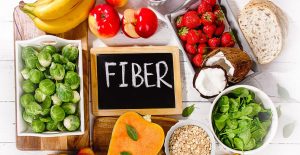 6 Tips on Increasing Dietary Fiber Intake
Prebiotic: Gut Microbiota, Gut Health, and Beyond

- In 2021, the World Health Organization (WHO) has reported that around 1.28 billion adults aged 30-79 years worldwide have hypertension.
- The use of fiber to reduce blood pressure has been studied and published in various clinical trials.
- The effects of fiber on blood pressure lowering may have also been due to the gut microbiota. The gut microbiota ferments the undigested fiber (acting as prebiotics) that passes through to the large intestine, producing short-chain fatty acids (SCFAs) which activate receptors that play a part in blood pressure regulations.
- Other mechanisms include the regulation of genes related to immunity, inflammation and metabolism which may also affect blood pressure.
Hypertension, or high blood pressure, is an increasingly prevalent condition worldwide. In 2021, the World Health Organization (WHO) has reported that around 1.28 billion adults aged 30-79 years worldwide have hypertension, and less than half have it diagnosed and treated [1]. Some complications of high blood pressure include cardiovascular diseases such as heart attacks and strokes [1]. Often dubbed as the ‘silent killer’, this condition often shows no signs and symptoms [1].
Blood pressure reading is mainly divided into 2 numbers [2]:
- Systolic blood pressure (i.e., the top number): this number indicates the pressure your blood is exerting against the blood vessels’ walls when the heart beats - Diastolic blood pressure (i.e., the bottom number): this number indicates the pressure your blood is exerting against the blood vessels’ walls when the heart relaxes between beats
With the incidence of hypertension on the rise, there is also an increasing awareness of how diet and other means can help with lowering the blood pressure naturally (i.e., without the use of medications). The implications of using dietary fiber and their effects on blood pressure has garnered interest [3]. How does the use of dietary fiber help with lowering blood pressure? Does the fiber affect blood pressure directly or through other mechanisms, such as via its interactions with the gut microbiota?
World Hypertension Day falls on 17 May every year. In conjunction with this day, find out how the health of your gut and dietary fiber intake is implicated in your blood pressure readings!
Fiber is a form of carbohydrates, naturally present in plants. Although most carbohydrates can be broken down by the body’s enzyme into simple sugars, our body is unable to completely break down fibers and gets passed through to the large intestine. It is generally divided into 2 forms: soluble and insoluble fibers [4].
The use of fiber to reduce blood pressure has been studied and published in various clinical trials. A meta-analysis done in 2005 aggregated data from 24 different studies and trials to see the effects of fiber on blood pressure [5]. This study found that fiber supplementation at 11.5g per day caused a non-significant decrease in systolic blood pressure and a significant change in diastolic blood pressure, with effects larger for older and hypertensive populations [5].
The authors of the study also concluded that increasing fiber intake in the general population may contribute to prevention of hypertension [5], especially as the intake of dietary fiber in the general population is low [6]. A high-fiber diet was also found to have experienced a 15% reduction in systolic blood pressure, along with an inverse risk of developing cardiovascular diseases [7].
The effects of fiber on blood pressure lowering may have also been due to the presence of the microorganism environment in the gut, which is also termed as your gut microbiota. The gut microbiota consists of a range of microorganisms consisting of bacteria, virus, and fungi [8], and the composition differs depending on several factors such as environmental and lifestyle reasons (e.g., diet) [9].
The gut microbiota ferments the undigested fiber that passes through to the large intestine, producing short-chain fatty acids (SCFAs) and gases. These SCFAs produced by the breakdown of fiber by the gut microbiota play important roles in multiple body functions, one of which includes the modulation of blood pressure and decreasing the risk of developing hypertension from a fiber-rich diet [10]. Dysbiosis of the gut (i.e., alterations of the gut microbiota) is also found to be linked with hypertension [11].
There are many mechanisms on how the gut microbiota and its derivatives affect the blood pressure [12]:
- SCFAs produced from the fermentation of the fibers activates receptors that play a part in blood pressure regulations - Reduction in microbial gene richness may also lead to inflammation, which can also be a cause of high blood pressure - Gut microbiota can influence the production of chemicals by gastrointestinal cells, which has effects on the gut-brain axis - Gut microbiota may also regulate genes related to immunity, inflammation and metabolism which may also affect blood pressure
Hypertension, often termed as the ‘silent killer’, often presents with no symptoms, and affects more than 1 billion of adults worldwide. It has severe complications if it goes undetected and untreated, including heart attacks and strokes. There has been much interest in natural ways such as the use of diet and dietary fiber in managing and lowering blood pressure. The use of fiber has also been touted to be able to reduce blood pressure, with potential effects due to the gut microbiota. Importance of the gut microbiota on blood pressure could also have been mediated by other factors such as its effects on the immunity and metabolism of the individual.
This article is written in conjunction with World Hypertension Day, which falls on 17 May every year.
6 Tips on Increasing Dietary Fiber Intake
Gut-Brain-Immune Axis: An Introduction

- Prebiotic is “a substrate that is selectively utilized by host micro-organisms conferring a health benefit”.
- Studies have shown that about 60 tons of food pass through the gut of a human throughout the entire lifespan, contributing to the gut microbiota.
- Prebiotics increase the growth of beneficial bacteria in the gut and support overall gut health.
- There are different types of prebiotics, including resistant starch, fructans, and various types of oligosaccharides.
Experts tell us that the intestinal bacteria of a child is derived from the mother. In other words, they are passed down from the mother to her offspring while still a fetus. These micro-organisms have since then been a part of the body. Also, from the food we eat. Studies have shown that about 60 tons of food pass through the gut of a human throughout the entire lifespan, contributing to the gut microbiota. Contrary to popular belief, not all microorganisms are harmful to the body. There are the good ones and the bad. This article contains an overview of what prebiotics are and how they influence these microorganisms in our digestive system.
Read on to learn more about the term 'prebiotics' and find out what are the types of foods that contain a healthy amount of it.
According to experts, prebiotic is “a substrate that is selectively utilized by host micro-organisms conferring a health benefit”. The host micro-organisms here are the beneficial bacteria in the intestine that are associated with our bodily functions and health benefits. In simpler words, prebiotics is food material (a subgroup of dietary fibers that cannot be digested by humans) used by probiotics for survival and growth.
For a substance to be termed prebiotic, it must be:
• Resistive to gastric juice, enzyme hydrolysis, and absorption by the intestines • Broken down by intestinal microbiota • Utilized selectively by the beneficial bacteria to confer health benefits
They are introduced as a dietary means of modulating the intestinal microbiota to the favorable community.
The gut microbiota interacts with the host’s cells throughout their lives. The metabolism and composition of these micro-organisms are a result of the host genetics and other factors, such as stress, diet, medications, and lifestyle [1].
Studies have proven that prebiotics have the potential to increase the population of beneficial bacteria while reducing the growth and effect of harmful ones. Overall, they improve the host microbiota by influencing its composition and quantity.
Prebiotics increase the growth of beneficial bacteria in the gut [1]. They support the overall health of the digestive system. They also enhance the immune system and help maintain a healthy metabolic activity.
Prebiotics have also been associated with improving the outcomes of certain abdominal and intestinal disease since they bring about the growth of healthy bacteria. As the gut microbiota is implicated in many health conditions as discussed in the earlier articles, a healthier gut microbiota will hence result in a healthier body.
Resistant starches Resistant starches include resistant maltodextrin, which is a non-viscous dietary prebiotic fiber. It is resistant to enzyme and acid hydrolysis which enables it to reach the colon where most of the gut microbiota is located. It is slowly fermented and hence does not cause as much bloating [2].
Fructans They consist of inulin and fructo-oligosaccharide. They can selectively and actively stimulate the growth of lactic acid bacteria mainly [2].
Galacto-oligosaccharide Galacto-oligosaccharides are made from lactose extension. They can greatly stimulate the growth of Bifidobacteria and Lactobacilli [2].
Other oligosaccharide Some oligosaccharides are made from a polysaccharide known as pectin [2].
Prebiotics are found in high-fiber foods from our diet. They can be found in the following:
Chicory root An average chicory root contains about 1g of prebiotic fiber. It nourishes the gut bacteria and at the same time, supports healthy digestion. Moreover, there are many other health benefits that chicory root confer.
Dandelion greens Dandelion greens also contain prebiotic fiber. 100g of dandelion green has about 4g of prebiotic fiber. They have also been known to be a good source of antioxidants and vitamins. Dandelion greens have also been associated with a healthy liver, good cholesterol levels and many more.
Jerusalem Artichoke Like dandelion greens and chicory root, Jerusalem artichoke also contains high amount of prebiotic fiber. 100g of it contains approximately 2g of prebiotic fiber, which is about 7% of the daily recommended amount of fiber in a 2,000 calorie diet. It is also commonly known as sunroot, sunchoke or wild sunflower.
Garlic and onions Garlic and onions are composed of prebiotic fibers as well. 1 clove of garlic has about 7% of prebiotic fiber while an onion is made up of about 2% of prebiotic fiber. They can be easily incorporated in the diet especially in pastas, pizzas and meat dishes.
Bananas Bananas contain an amazingly high amount of prebiotic fiber known as resistant starch, as much as 70% of its dry weight when it is unripe. Resistant starch is a prebiotic fiber that is able to withstand digestion in the stomach, to reach the intestine where most of the gut microbiota is located. It passes through the gastrointestinal tract without much change. The gut microbiota then ferments the resistant starch to bring about many health benefits.
Barley Barley is not only used in the production of beer and beverages, but also as a source of prebiotic fiber. It is also packed with many essential vitamins and minerals.
Oats Oats are another source of prebiotic fiber. They are rich in beta-glucan fiber. They are a good alternative to processed food such as white bread for your breakfast. To incorporate oats into your diet, simply add it to slices of fruits such as bananas or take it with warm milk.
Apples As they say, an apple a day keeps the doctor away. Unsurprisingly, apples contain prebiotic fiber as well. Most of the prebiotic fiber in apples is pectin, which is fermented by the gut microbiota to produce short-chain fatty acids which plays a role in our bodily functions.
It is important to include prebiotic fiber in your diet. There are several health benefits associated with eating food rich in prebiotic fiber asides from increasing the gut microbiota. Moreover, they are found in a wide variety of food and can be easily added to your diet.
Prebiotic: Gut Microbiota, Gut Health, and Beyond
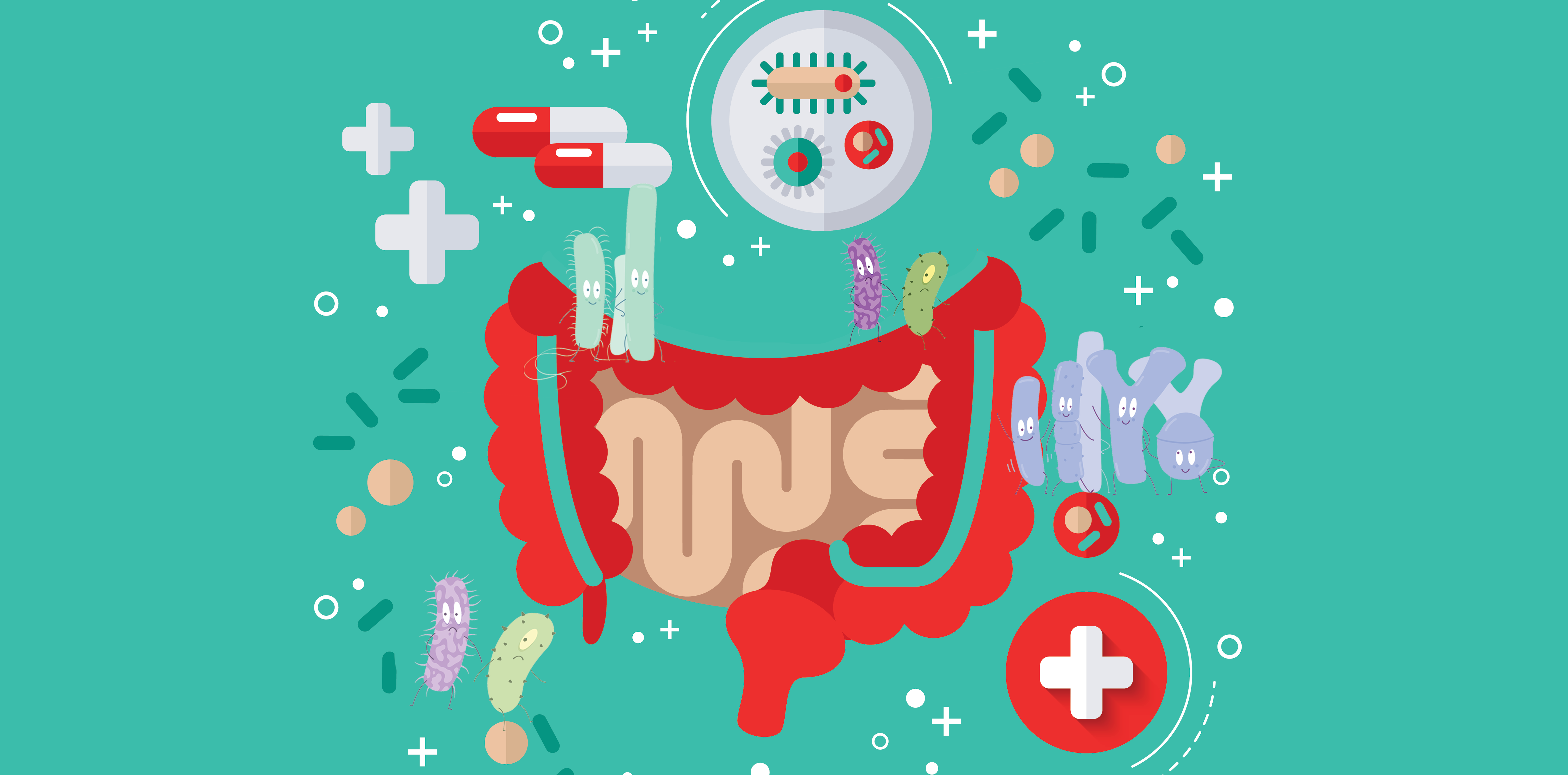
- The gut microbiota consists of microorganisms such as bacteria that resides in the gut.
- An imbalanced gut microbiota (also termed as dysbiosis) has been linked to certain diseases and disorders, many of which may even be seemingly unrelated to the gut and the gastrointestinal system.
- Health implications of an imbalanced gut microbiota include gut diseases, metabolic diseases, eczema, and neurological conditions.
- Ways to ensure a healthy gut microbiota include the use of prebiotics and reducing the intake of sugar.
The gut microbiota consists of microorganisms such as bacteria that resides in the gut. The number of cells and bacterial genetic material harbored within the human body easily outnumbers the number of human cells and genetic materials [1]. An imbalanced gut microbiota (also termed as dysbiosis) has been linked to certain diseases and disorders, many of which may even be seemingly unrelated to the gut and the gastrointestinal system. What are they, and why do they occur? What are some tips you can take to maintain a healthy gut microbiota? Read on to find out more.
1. Gut Diseases
According to a review, an imbalanced gut microbiota is associated with a whole range of gastrointestinal diseases. These diseases range from Crohn’s disease, Irritable Bowel Syndrome (IBS), celiac disease, constipation, bloating, and diarrhea [1]. Possible mechanisms could be due to the gut microbiota's roles in modulating inflammation and immunity [1].
2. Metabolic Diseases
The gut microbiota is involved in the absorption of nutrients, harvesting of energy, processing of excess carbohydrates and production of metabolites such as short-chain fatty acids (SCFAs). When the gut microbiota is unable to function optimally due to an imbalance, the risk of metabolic diseases such as diabetes and obesity increases [1].
3. Eczema
Some studies show that there is an association between low gut microbiota diversity and eczema. The gut microbiota composition of children with eczema had significantly lower beneficial bacteria diversity, specifically the Bacteroidetes phylum, when compared with children without eczema [1].
4. Neurological Conditions
It has been well established that the gut and the brain is connected via the gut-brain axis. An imbalanced gut microbiota can lead to higher levels of inflammation in the body, which may affect the central nervous system and lead to symptoms of depression and anxiety [2].
The good news is, there are ways to improve the gut flora to enhance its health. Here are 4 ways we can do to improve our gut microbiota and gut health:
1. Start intake of prebiotics
Prebiotics are substances found in certain foods that, when taken, function as nutrients to feed the gut bacteria and gut microbiota to encourage their growth and activities. Examples of food that contain prebiotics are corn, whole grains, banana, asparagus, garlic and onion. Hence, it is important to include them in your diet. Fortunately, prebiotics are available in the form of dietary fiber supplements as well [3].
2. Cut back on sugar intake
High sugar consumption has been associated with reduced levels of beneficial gut bacteria. It leads to a decrease in flora diversity and an increase in the pro-inflammatory pathogens. Hence, it is crucial to limit sugar intake especially from high glycemic sources such as soft drinks, candies and white rice [3].
3. Only take antibiotics when you need them
Antibiotics work by killing microorganisms or limiting their growth. Their effects are not only limited to pathogens but can affect the beneficial gut bacteria too. Always discuss with your healthcare professionals before taking or stopping the use of antibiotics [3].
4. Stress management
There are some ways to manage stress, such as exercising, sleeping, listening to music or playing games. You may also try meditations or yoga. Most importantly, try to get sufficient sleep of at least 8 hours of sleep every night, which may also reduce the risk of inflammatory diseases.
 Irritable Bowel Syndrome (IBS): Types, Symptoms, and Treatment
Gut Microbiota and Its Implications in Diabetes and Blood Sugar
Gut-Brain-Immune Axis: An Introduction

- Gut microbiota is the term used for describing the composition of microorganisms present in the gut. They include different types of microorganisms ranging from bacterial, to viral, to fungal species.
- A healthy gut comprises a set of gut microorganisms (and gut microbiota) that is largely beneficial to our health and in the meantime minimizing the species that are detrimental to us.
- Our innate set of gut microbiota is thought to be the most suitable and optimum for oneself. This optimum composition deteriorates due to several factors, leading to poorer gut health which may lead to negative health effects.
- The gut microbiota is important due to its multiple functions, including the absorption of nutrients, supporting neurological functions, and influencing metabolic processes.
The human digestive system is simple yet complex at the same time. It harbors communities of microorganisms, some of which are beneficial while others are not. Many factors contribute to the establishment of these bacteria in the gut. The food we eat is one major contributor. According to a study, about 60 tons (60,000 kg) of food passes through the gastrointestinal (GI) tract in an average lifespan [1]. An abundance of microorganisms and substrates are carried along with the food and other digested materials. These foreign microorganisms, along with the innate microorganisms found in our gut, make up the gut microbiota.
Biota is coined from the Latin word biote, meaning 'life'. Gut microbiota is the term used for describing the composition of microorganisms present in the gut. They include different types of microorganisms ranging from bacterial, to viral, to fungal species, which form symbiotic relationships with the host. Studies have shown that there are 1014 of these microorganisms present in the GI tract, making it approximately ten times more than the number of human cells in the body [2]. Due to these symbiotic relationships between the microorganisms and the human cells, the human body is considered a superorganism.
A healthy gut comprises a set of gut microorganisms (and gut microbiota) that is largely beneficial to our health (e.g., Lactobacillus and Bifidobacterium spp.), and in the meantime minimizing the species that are detrimental to us [3]. Our innate set of gut microbiota is thought to be the most suitable and optimum for oneself and it starts developing as early as when the fetus is in the mother’s womb [4]. This optimum composition deteriorates as we age. Along with poorer modern-day diets lacking in prebiotics (i.e., food for the beneficial gut bacteria) as well as increased use of medications such as antibiotics, the composition and amount of good gut bacteria decrease even faster.
This would lead to poorer gut health which may lead to negative effects such as constipation, unhealthy blood pressure [5], sugar [6] and cholesterol levels [7], as well as poor cardiovascular [8], respiratory [9] and immune health [10].
The gut microbiota has many functions in the human body, ranging from those related to the gastrointestinal system to metabolism. These roles and functions include aiding in the absorption of nutrients, controlling the population of pathogens, supporting neurological functions and influencing key metabolic processes. Here are 4 key functions of the gut microbiota:
1. Absorption of nutrients
The gut microbiota helps in the fermentation of food molecules such as prebiotic and production of some vitamins like vitamin B and K. It also influences the metabolism of nutrients due to its interactions with the epithelial receptors along the GI lining [11].
2. Controlling population of pathogens
The competitive-exclusion effect of the gut microbiome is one of the many ways it limits the growth of pathogens in the gut. The gut microbiota competes with these foreign microorganisms for nutrients and at the same time, it secretes antimicrobial compounds such as bacteriocins, which prevent the foreign microorganisms from flourishing and harming the host [11].
3. Supporting neurological functions
The digestive tract and the brain communicate with each other through a connection known as the gut-brain axis. Messages in the forms of hormonal, immunological, and neural signals travel back and forth between the central nervous system and the gut via this axis. This enables the brain to control certain GI functions such as movement of food through the digestive tract and the release of digestive enzymes. The gut microbiota produces substances such as short-chain fatty acids (SCFAs) and neurotransmitters that may affect these transmissions [11].
4. Influencing key metabolic processes
The gut microbiota can influence key metabolic processes such as insulin sensitivity, glucose tolerance, fat storage, and appetite, mainly through the regulation of gut hormones release [12].
Gut-Brain-Immune Axis: An Introduction
Gut Microbiota and Its Implications in Diabetes and Blood Sugar
 What is the Gut Microbiota?