
- Metabolic health can be defined by several clinical markers, including blood pressure, blood sugar, and blood lipid levels.
- This healthy balance of gut microbiota and optimum gut health leads to improved overall well-being, including benefits to our metabolic health.
- Apart from reducing the consumption of sugar and fats, increasing the intake of prebiotics should also be considered to support metabolic health.
Metabolic health can be defined by several clinical markers, including blood pressure, blood sugar, and blood lipid levels. Metabolic syndrome refers to a cluster of biological risk factors that can lead to chronic conditions like diabetes, heart disease and other health problems [1]. It is estimated that more than 3 in 10 adults in the United States suffer from metabolic syndrome [2]. Good metabolic health can help lower your risk of developing such disorders.
Other than lifestyle changes such as engaging in regular exercises, improving sleep and managing stress, dietary changes also help support our metabolic health and processes. Apart from reducing the consumption of sugar and fats, increasing the intake of prebiotics (whether via food or supplements) should also be considered. Read on to understand more about prebiotics and how they help improve and support our metabolic health.
As defined by the International Scientific Association for Probiotics and Prebiotics (ISAPP), a prebiotic is defined as a substrate that is selectively utilized by host microorganisms conferring a health benefit [3].
Our gut consists of trillions of microorganisms including bacteria, viruses, fungi and protozoa species. This composition of microorganisms is termed the gut microbiota and is unique to everyone. It varies due to several factors such as environmental, lifestyle, dietary habits, and consumption of medications such as antibiotics [4]. An optimum gut microbiota consists of a healthy balance of both good and bad gut bacteria species.
Prebiotics feed and enable the proliferation of good gut bacteria, which in turn crowd out the bad ones. This healthy balance of gut microbiota and optimum gut health leads to improved overall well-being, including benefits to our metabolic health.
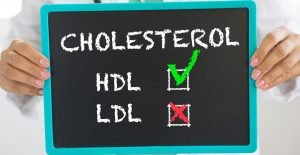
One aspect of metabolic health is blood cholesterol level. Studies have shown that a healthy balance of gut microbiota may lower blood cholesterol levels through several mechanisms. One mechanism is the metabolizing of cholesterol into coprostanol, which reduces cholesterol absorption [5,6].
Good gut bacteria feed on prebiotics in a process called fermentation, which produces short-chain fatty acids (SCFAs). SCFAs like butyrate and propionate may also have cholesterol-lowering effects by controlling and inhibiting liver cholesterol synthesis [7].
Prebiotics may also have a direct effect on lowering cholesterol levels. Prebiotics, many of which are dietary fibers, move to the colon largely unchanged and undigested. This helps to increase the viscosity of the digestive tract, leading to decreased absorption of cholesterol and blood cholesterol levels [8].
Blood sugar is another aspect of metabolic health. Apart from cholesterol levels, the metabolites of the fermentation process also influence sugar metabolism and homeostasis. SCFAs such as butyrate act as signaling molecules and activate receptors involved in secreting chemicals called glucagon-like peptide 1 (GLP-1). GLP-1 is crucial in blood glucose metabolism by increasing insulin release [9].
SCFAs also directly impact sugar metabolism, by improving glucose metabolism in the liver and increasing sugar uptake by the body cells [9].
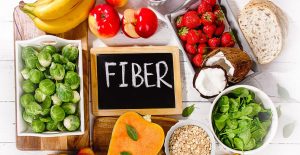
For prebiotics which are dietary fibers, they also support healthy blood pressure. The use of fibers to reduce blood pressure has been studied and published in various clinical trials. A meta-analysis has shown that fiber supplementation at 11.5g per day was able to decrease blood pressure [10]. The Dietary Approaches to Stop Hypertension (commonly known as the DASH diet) also recommends a high-fiber intake as one of the many recommendations to reduce blood pressure.
The gut microbiota and SCFAs produced from the fermentation of prebiotics can also affect blood pressure. SCFAs activate receptors that play a part in blood pressure regulation. Unhealthy gut microbiota also leads to chronic low-grade inflammation which can be a cause of high blood pressure as well [11].
Metabolic health disorders are on the rise across the world. Besides lifestyle modifications such as regular physical activity, managing stress and having adequate sleep, dietary modifications also help. Prebiotics enhance the gut microbiota and optimize gut health, which in turn support metabolic health such as blood pressure, sugar and cholesterol levels as shown in various studies.
 Good Gut Health Is Linked To Lower Cholesterol Levels
 Gut Microbiota and Its Implications in Diabetes and Blood Sugar
 Gut Health and Blood Pressure (Hypertension): How Are They Related?

- Recent studies have suggested the importance of our gut health and microbiota in lowering the risk of stroke.
- Alterations in gut microbiota compositions have been found in patients with stroke as compared to healthy individuals.
- Our gut health and microbiota also play important roles during post-stroke recovery by modulating several key parameters such as immune response, blood pressure, and blood sugar.
- The use of prebiotics to induce positive changes to our gut microbiota and improve our gut health is one option we can consider to reduce the risk factors for stroke.
Stroke is a disease that affects the cerebral arteries that supply blood to the brain [1]. It occurs when the blood and oxygen supply to the brain gets disrupted. This can happen due to a blood clot (ischemic stroke) or when the blood vessels rupture (hemorrhagic stroke) [1]. According to the U.S. Centers for Disease Control and Prevention (CDC), more than 795,000 people in the U.S. suffer from stroke every year [2].
Recent studies have suggested the importance of our gut health and microbiota in lowering the risk of stroke. World Stroke Day is held on 29 October every year to help raise awareness about this public health emergency [3]. Read on to learn more about how gut health and microbiota may affect stroke and post-stroke management, as well as how they can potentially be new modifiable risk factors for stroke.
Optimum gut health means having the right balance of good gut microbes and bad ones in our gut. This composition of microorganisms in our gut is collectively termed gut microbiota. Our gut consists of trillions of such microorganisms, including bacteria, viruses, fungi and protozoa species. This set of gut microbiota is unique to everyone at birth and changes during the course of your life due to several factors including environmental, lifestyle, dietary habits, and consumption of medications such as antibiotics [4].
The innate set of gut microbiota (the set that we are born with) is thought to be the most optimum for oneself. This optimum composition deteriorates as we age. Along with poorer modern-day diets lacking in prebiotics (i.e., food for the beneficial gut bacteria) as well as increased use of medications, the composition and amount of good gut bacteria decrease even faster.
Dysbiosis refers to an alteration of the gut microbiota. Poor gut health and dysbiosis have been found to negatively affect risk factors for stroke such as blood pressure [5], sugar [6] and cholesterol [7] levels. This can potentially lead to an increased risk of stroke.
Apart from mitigating risk factors for stroke, our gut health and microbiota may be directly related to stroke.
Dysbiosis is not only associated with poorer control of metabolic markers like blood pressure, sugar and cholesterol. Such alterations in gut microbiota compositions have also been found in patients with stroke as compared to healthy individuals. A study presented at the European Stroke Organisation Conference (ESOC 2022) identified certain types of bacteria such as Negativibacillus and Lentisphaeria that were associated with a more severe stroke in the acute phase [8].
Beneficial gut bacterial species feed on prebiotics in a fermentation process. This process produces metabolites such as short-chain fatty acids (SCFAs). SCFAs can regulate inflammation, blood pressure and sugar, which are all important risk factors for stroke. These metabolites have also been found to be in lower levels in patients with ischemic stroke as compared to healthy individuals [9].
Our gut health and microbiota also play important roles during post-stroke recovery by modulating several key parameters:
- Immune response: SCFAs produced from the fermentation of prebiotics can stimulate immune cells that are key factors in favorable stroke outcomes [10]. - Blood pressure: certain strains of beneficial gut bacteria have been identified to be associated with lowered blood pressure levels [11]. - Blood sugar: healthy gut microbiota and SCFAs can assist in blood sugar metabolism and homeostasis, including the cellular uptake of sugar and thus reducing blood sugar levels [6].
There is accumulating research showing the importance of gut health and microbiota in affecting the risk of stroke. Dysbiosis is associated with stroke and several risk factors of stroke such as blood pressure, sugar and cholesterol levels as well. The use of prebiotics to induce positive changes to our gut microbiota and improve our gut health is one option we can consider to reduce the risk factors for stroke.
This article is written in conjunction with World Stroke Day, which falls on 29 Oct every year.
 How Does Our Gut Health Affect Our Cardiovascular System?
Good Gut Health Is Linked To Lower Cholesterol Levels
Gut Microbiota and Its Implications in Diabetes and Blood Sugar

- Probiotics are defined by the International Scientific Association for Probiotics and Prebiotics (ISAPP) as live microorganisms that, when administered in adequate amounts, confer a health benefit on the host.
- Prebiotics are substrates that are selectively utilized by host microorganisms conferring a health benefit.
- Host microorganisms can refer to our innate gut microbiota and external probiotic supplements.
- Prebiotics help feed probiotic supplements, thereby increasing their chances of survival and proliferating successfully in the colon, preventing them from going to waste.
Probiotic supplements are widely used around the world. They are defined by the International Scientific Association for Probiotics and Prebiotics (ISAPP) as live microorganisms that, when administered in adequate amounts, confer a health benefit on the host [1]. In essence, probiotic supplements contain beneficial gut bacterial species, including Bifidobacteria and Lactobacillus species [2].
Probiotics are one of the members of the -biotics family. Other members include prebiotics, synbiotics and postbiotics. Read on to find out how another member of the -biotics family, prebiotics, helps feed your probiotic supplements and hence optimizes the effects of your probiotic supplements.
ISAPP has defined a prebiotic as a substrate that is selectively utilized by host microorganisms conferring a health benefit [3]. In the context of our gut, the host microorganisms may refer to:
- Our innate gut microbiota - External probiotic supplements
Prebiotics such as resistant starches and various types of oligosaccharides resist digestion from our human body’s enzymes and travel to the colon largely unchanged.
Our gut microbiota in the colon and the probiotic supplements we take will then feed on and ferment the prebiotics. This fermentation process produces metabolites such as short-chain fatty acids (SCFAs). SCFAs like butyrate confer health benefits such as providing a main source of energy for our colon cells and having anti-inflammatory properties [4].
This innate set of gut microbiota (the set that we are born with) is thought to be the most optimum for oneself. This optimum composition deteriorates naturally as we age. Along with poorer modern-day diets lacking in prebiotics (such as dietary fiber) as well as increased use of medications such as antibiotics, the composition and amount of good gut bacteria decrease even faster.
Having a set of healthy gut microbiota is important as it enhances and optimizes our gut health. Research has shown that our gut microbiota and health also affect systems outside of the gut. Our gut microbiota communicates with our brain bi-directionally via the gut-brain axis [5]. Good gut health also supports metabolic markers such as blood pressure [6], sugar [7] and cholesterol levels [8]. Gut microbiota and health also aid in supporting our cardiovascular [9], immune [10] and respiratory health [11].
The importance of gut health is increasingly being appreciated by people around the globe, as reflected in the increasing popularity of probiotic and prebiotic supplements.
Taking prebiotics helps to provide fuel for your innate gut microbiota. In addition, prebiotics also help feed the probiotic supplements, thereby increasing their chances of survival and proliferating successfully in the colon [12]. This will help prevent the probiotic supplements from dying and going to waste.
ISAPP recommends taking 3-5g of prebiotics a day to obtain the beneficial effects of prebiotics. Prebiotics can be obtained from foods (such as whole grains and legumes) or in the form of dietary supplements.
Probiotic supplements are widely used around the world. Increasingly, prebiotics are also taken together with probiotic supplements to increase their survivability and proliferation in the colon. This optimizes the effects of probiotic supplements and prevents them from going to waste. Taking prebiotics with probiotics will further enhance the health of our gut microbiota, thereby optimizing our overall gut health.
 Prebiotic: Gut Microbiota, Gut Health, and Beyond
How Does Our Gut Health Affect Our Cardiovascular System?

- Over 55 million people around the world are estimated to be living with dementia, with Alzheimer's Disease (AD) being the most common type.
- Although the exact causes of AD have yet to be fully established, amyloid and tau proteins are found to accumulate in the brain of patients with AD. Neuroinflammation is also often a key element in AD.
- Health of our gut microbiota is associated with AD. Harmful bacteria may worsen neuroinflammation, while metabolites from beneficial gut bacteria may help protect against it.
- Prebiotics could be used to enhance and regulate the health of the gut microbiota, thereby lowering the risk of developing AD.
Over 55 million people around the world are estimated to be living with dementia in 2020. This number is likely to double every 20 years, reaching a total of 78 million by the year 2030 [1]. The most common type of dementia is Alzheimer’s Disease (AD). We have discussed how dietary fiber may have effects on dementia based on a Japanese study done recently which found that a high intake of dietary soluble fiber is linked to a lower risk of developing disabling dementia [2]. Most prebiotics are dietary fibers. However, not all dietary fibers are prebiotics. Read on to find out more about the effects of prebiotics and gut microbiota on dementia and Alzheimer’s disease.
Our gut consists of trillions of such microorganisms including bacteria, viruses, fungi and protozoa species. This composition of microorganisms residing in our gut is collectively termed gut microbiota, which is unique to everyone. It varies due to several factors, such as environmental, lifestyle, dietary habits, and consumption of medications such as antibiotics [3].
This innate set of gut microbiota (the set that we are born with) is thought to be the most optimum for oneself. This optimum composition deteriorates as we age. Along with poorer modern-day diets lacking in prebiotics (i.e., food for the beneficial gut bacteria) as well as increased use of medications, the composition and amount of good gut bacteria decrease even faster.
Prebiotics are defined by the International Scientific Association for Probiotics and Prebiotics (ISAPP) as a substrate that is selectively utilized by host microorganisms conferring a health benefit [4]. In loose terms, prebiotics are food for the beneficial gut bacteria in a process called fermentation. This feeding process produces metabolites such as short-chain fatty acids (SCFAs) which confer health benefits to us. One such health benefit could be healthy aging.
Although the exact causes of AD have yet to be fully established, it has been found that various types of proteins (e.g., amyloid and tau proteins) accumulate in the brains of patients with AD [5]. Neuroinflammation is also a key element in the accumulation of amyloid hence the progression of AD [6].
The health of our gut microbiota is associated with AD. The gut microbiota and the brain communicate bi-directionally, and this interaction has been termed the gut-brain axis [7]. Dysbiosis, which refers to an altered gut microbiota, has been associated with various neurodegenerative diseases including AD. Reduction in microbial diversity has been observed in patients with AD as compared to patients without [8].
Harmful gut bacteria may even produce amyloid peptides, which can enter the bloodstream due to increased gut permeability. These peptides can then cross the blood-brain barrier and accumulate amyloid in the brain, further exacerbating AD [9]. Metabolites produced from harmful bacteria can also worsen neuroinflammation in the brain, while metabolites (such as SCFAs) produced from beneficial gut bacteria may help protect against AD by inhibiting the aggregation of amyloid peptides and maintaining cognitive functions [9,10].
Prebiotics are food selectively utilized by beneficial gut bacteria. By taking prebiotics, we improve the health of our gut microbiota by allowing the beneficial bacteria to grow and proliferate, at the same time crowding out the harmful ones. This may help to ameliorate the risk factors of AD such as gut permeability, amyloid peptides, and systemic inflammation [9].
There is currently no cure for AD. Current evidence points to the importance of the gut microbiota as a modulator of neurodegenerative diseases such as AD. The gut microbiota serves as a promising therapeutic target for the prevention and treatment of AD. Prebiotics could potentially be used to enhance and regulate the health of the gut microbiota, thereby lowering the risks of neurodegenerative diseases.
 Dietary Fiber and Its Links To Dementia
Prebiotic: Gut Microbiota, Gut Health, and Beyond
- Starch is a form of carbohydrate naturally found in many grains and vegetables, and is broken down by our body’s enzymes into glucose, the basic building blocks for energy and metabolism. Resistant starch, on the other hand, is a type of starch that does not get broken down by our body’s digestive enzymes.
- It can lower the glycemic index of foods and increase satiety, help with modulating blood sugars and control the appetite.
- It is also considered a form of prebiotics.
- You can obtain resistant starch either from food or from supplements.
You are likely to have heard of the term ‘starch’, which refers to the form of carbohydrate that is naturally occurring in most foods, plants, and vegetables. However, you may not have heard of ‘resistant starch’ before. With gut health being increasingly in the spotlight for the maintenance of general health, the use of dietary modifications such as increasing intake of resistant starch has been touted as a possible avenue to improve the gut health of individuals.
Why is this type of starch called ‘resistant’ and what makes them resistant? What are the health benefits and risks it may have on our human body? Where can we find resistant starch in our food and supplements? Read on to find out the 4 facts about resistant starch.
To understand the benefits that resistant starch can confer to our body, we first need to understand what exactly starch and resistant starch are.
As mentioned above, starch is a form of carbohydrate naturally found in many grains and vegetables such as wheat and potatoes. Starch is broken down by our body’s enzymes into glucose, which forms the basic building blocks for energy and metabolism.
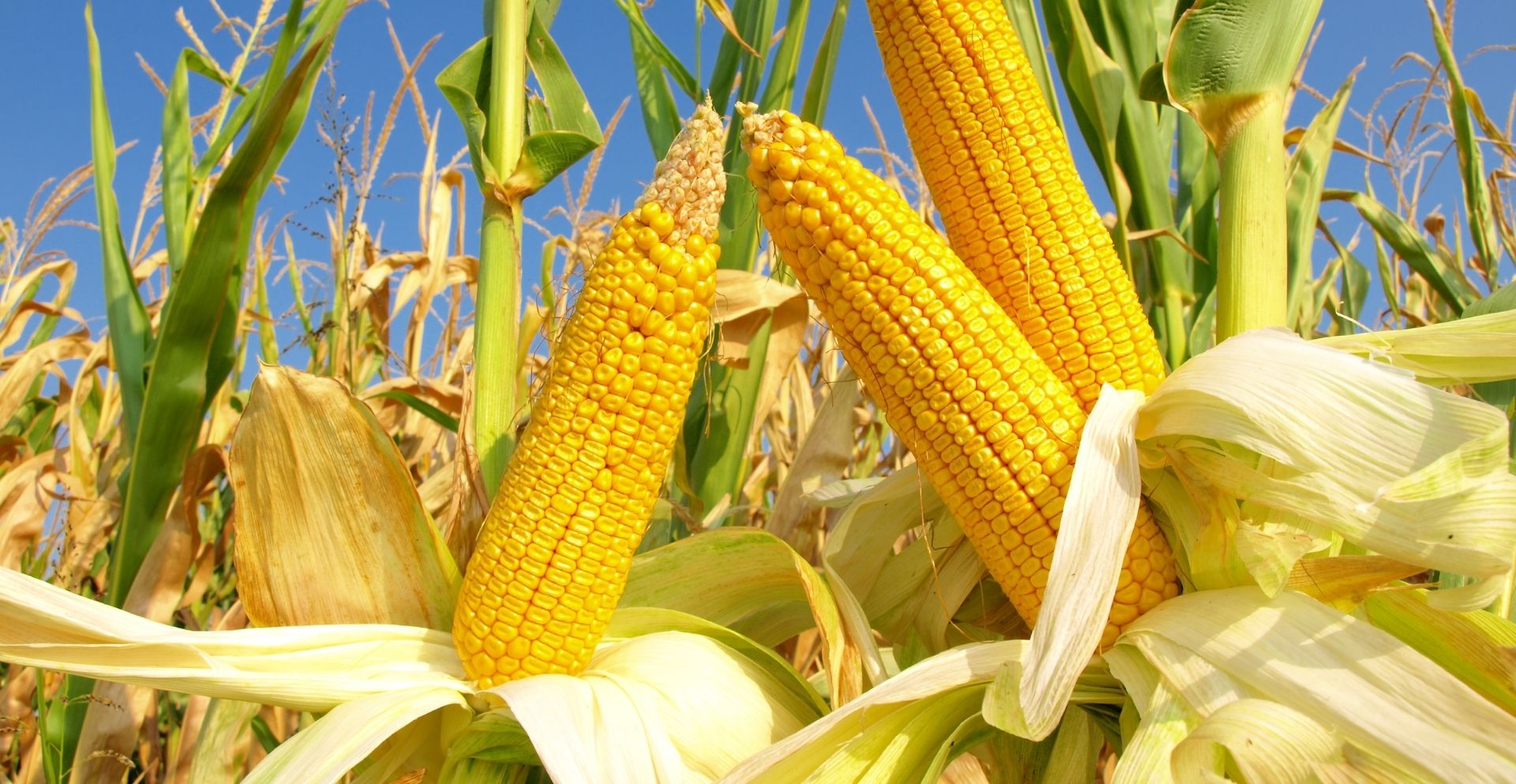
Resistant starch, on the other hand, is a type of starch that does not get broken down by our body’s digestive enzymes, and hence the term ‘resistant’ [1]. They are then passed to the large intestine largely unchanged, where the gut microbiota will ferment them [2]. This fermentation process by the gut microbiota forms metabolites and by-products such as gases (carbon dioxide and methane), and short-chain fatty acids (SCFAs) such as butyrate, acetate, and propionate [3].
Resistant starch can be generally classified into 4 types [4,5]:
- Type 1: physically inaccessible starch that is trapped in the fibrous cell wall - Type 2: resistant granules, generally found in foods that are raw (e.g., unripe bananas) - Type 3: retrograded starch, this type occurs when starch is cooked and then cooled - Type 4: chemically modified starch
It is found that resistant starch lowers the glycemic index of foods and increase satiety [6]. By lowering glycemic index, it causes a smaller rise in the blood sugars as compared to foods that are high in normal starch, such as white bread, rice, and baked potatoes [7]. This can help with modulating blood sugars and control the appetite, which may be able to prevent overeating.
As resistant starch does not get digested by our body’s enzymes and travels through to the colon to be fermented by the gut microbiota, it is also considered a form of prebiotics. Prebiotics are defined as ‘a substrate that is selectively utilized by host microorganisms conferring a health benefit’ by the International Scientific Association of Probiotics and Prebiotics (ISAPP) [8].
The fermentation of resistant starch by the gut microbiota produces SCFAs such as butyrate, which is the main source of energy for the cells in your colon [9]. It also has anti-inflammatory properties, which may be able to alleviate symptoms of diseases such as inflammatory bowel disease (IBD).
Resistant starch has also been shown to be very effective in improving insulin sensitivity [10] and controlling blood sugar levels [11]. Having lower insulin sensitivity has been associated with an increased risk of type 2 diabetes and several cardiovascular diseases as well. Through the modulation of insulin sensitivity and blood sugar levels, resistant starch may be helpful in controlling your risk of developing such cardiovascular diseases.
As resistant starch has very similar functions as dietary fiber, it generally has minimal risks. However, eating an excessive level of resistant starch may contribute to you feeling bloated, as well as the formation of gas due to the fermentation by the gut microbiota.
Moreover, the effects of resistant starch are likely to differ from between individuals. This is due to the varying type and levels of everyone’s gut microbiota, which will lead to differing levels of fermentation of the resistant starch. Nonetheless, resistant starch, much like dietary fiber, is generally safe and well-tolerated by most people.
There are 2 main ways of obtaining your resistant starch: either by your foods or via supplementation.
Foods that are high in resistant starch include:
- Potatoes (both raw and potatoes that are cooked and cooled) - Green (unripe) bananas - Legumes - Rice (cooked and cooled) - Oats and barley
Otherwise, supplements such as Fibrosol Prebiotic contains resistant maltodextrin [12]. Resistant maltodextrin is a form of resistant starch, which is also fermented in the colon to form SCFAs [13]. It also helps to maintain both blood sugar and lipid levels, promoting satiety and hence lowers food intake [13].
Resistant starch is a type of starch that is not broken down and absorbed by the body, and thus does not increase blood sugar levels unlike your regular starch. They are instead converted to SCFAs by the gut microbiota, which produces a range of benefits both within the intestinal system and outside of it. These benefits include modulation of blood sugar and lipid levels and may even lead to reduce inflammation and risks of cardiovascular diseases.
Gut Microbiota and Its Implications in Diabetes and Blood Sugar
Prebiotic: Gut Microbiota, Gut Health, and Beyond
 6 Tips on Increasing Dietary Fiber Intake

- Around 1.4 million Americans are diagnosed with diabetes every year.
- Our gut microbiota is associated with blood sugar levels and diabetes, both type 1 and type 2.
- Compositions of the gut bacteria differ in patients with diabetes and those without. The metabolites of the fermentation of prebiotics and dietary fiber by the gut microbiota play a central role in sugar metabolism and homeostasis, thus affecting blood sugar levels.
- Consuming more prebiotics has also been linked with a lower incidence of type 2 diabetes.
Diabetes is an increasingly prevalent metabolic condition, with more than 1 in 10 people in the United States (US) has diabetes, and around 1.4 million Americans are diagnosed every year [1]. This condition has also cost hundreds of billions of dollars in terms of healthcare expenditure [1], and has multiple complications including kidney, heart, stroke, and loss of vision [2]. There are mainly 2 types of diabetes (excluding gestational diabetes, which refers to diabetes that occurs during a woman’s pregnancy) [2]:
- Type 1 diabetes mellitus (T1DM): an autoimmune disease whereby the body produces antibodies to attack the cells that produce insulin. This causes the body to be unable to produce any insulin and hence must rely on daily insulin injections. T1DM is usually diagnosed in younger age patients. - Type 2 diabetes mellitus (T2DM): your body is unable to use insulin efficiently, leading to high levels of blood sugars as they do not react to the insulin. T2DM is usually diagnosed in adulthood.
In recent years, studies have shown the composition of the microorganisms in your gut, also termed as the gut microbiota (or gut microbiome), is implicated with blood sugar control and even diabetes (both Type 1 and Type 2). How are they associated with each other, and does one affect the other? Read on to find out more about the connections between them.
Before we investigate the associations between gut microbiota and blood sugar or diabetes, we first need to understand: what exactly is the gut microbiota? The health of the human digestive system is greatly affected by the composition of the microorganisms that resides within our gut. These may include bacteria, virus and even fungi species. The number of bacterial cells here is estimated to be more than 10 times the number of human cells [3]. Composition and amount of gut microbiota are affected by many factors: environmental, lifestyle, dietary habits, antibiotics consumption, and many more [4].
The gut microbiota is also involved in the fermentation of prebiotics, to form metabolites such as short-chain fatty acids (SCFAs) and butyrate which confers certain health benefits to us. Prebiotics are defined by the International Scientific Association for Probiotics and Prebiotics (ISAPP) as ‘a substrate that is selectively utilized by host microorganisms conferring a health benefit’ [5].
Dysbiosis refers to a change of the composition of gut microbiota due to factors like diet, toxins, drugs, and pathogens [6], and this has been linked with many diseases, such as obesity, diabetes, and certain inflammatory conditions such as inflammatory bowel disease (IBD).
Type 1 diabetes mellitus
The incidence of T1DM is thought to be related to the interactions between both the immune system (innate immunity) and the gut microbiota [7].
In mice studies, the changes in the gut microbiota composition were also associated with development of type 1 diabetes with its effects on the immune system [8]. The Environmental Determinants of Diabetes in the Young (TEDDY) study carried out in humans aimed to identify the microbial composition that are predictive of T1DM and has shown protective effects of SCFAs in early-onset T1DM [9].
Type 2 diabetes mellitus
Research has shown that the composition of the gut microbiota differs in patients with T2DM and non-diabetic adults [10]. Patients with T2DM have a significantly higher proportion of Bacteroides and Proteobacteria than non-diabetic adults, and a significantly lower proportion of Firmicutes species [10]. This ratio was associated with an increased blood sugar levels after glucose load [10].
The metabolites of the fermentation of prebiotics and dietary fiber by the gut microbiota plays a central role in several homeostasis and cell signaling pathways [11]. These species are often found in lower abundance in patients with T2DM [11]. Metabolites such as SCFAs (butyrate and acetate etc.) strongly influence sugar metabolism and homeostasis, including the uptake of glucose by cells and preventing the breakdown of complex components to glucose molecules, all of which helps in reducing blood sugar levels [11].
Another possible explanation of how the gut microbiota affects T2DM could be via inflammation. T2DM as a metabolic condition is also associated with chronic, low levels of inflammation [12]. Different species of gut microorganisms have different effects on inflammation: some having pro-inflammatory effects (such as Fusobacterium), while others have anti-inflammatory properties (such as Akkermansia muciniphila). These anti-inflammatory properties of the good gut microbiota can potentially aid in improving insulin sensitivity, playing a crucial role in T2DM [12].
One of the crucial regulators of the gut microbiota is your diet, with changes shown as rapidly as within 24 hours [7]. Consuming more prebiotics has also been linked with a lower incidence of T2DM [13]. A diet rich in prebiotics has been demonstrated to improve the gut microbiota composition (e.g., butyrate-producing bacterial species), leading to greater HbA1c reduction [14]. Prebiotics enhance the proliferation of good gut bacteria, which in turn will crowd out the bad bacteria. Other than promoting gut microbiota stability, the intake of prebiotics also promotes the fermentation by the gut microbiota (as they are also prebiotics in nature), leading to increased concentration of beneficial SCFAs [7].
The gut microbiota is not only associated with the health of your gut. It also plays a role in the development of many other diseases and body systems, which includes blood sugar levels and diabetes mellitus. Prebiotics’ actions on promoting a healthy gut microbiota also has indirect effects in controlling blood sugar levels, and subsequently diabetes mellitus.
 Gut Health and Inflammatory Bowel Disease (IBD)
Gut Health and Blood Pressure (Hypertension): How Are They Related?

- A ‘prebiotic’ is often loosely thought of as the ‘food for the probiotics’.
- This innate gut microbiota is supposedly thought to be the best that nature has offered us, and various factors such as the use of antibiotics and natural aging lead to the decrease in the composition and amount of beneficial gut bacteria, which ultimately negatively affects gut health.
- A prebiotic is defined as by ISAPP as a substrate that is selectively utilized by host microorganisms conferring a health benefit.
- Prebiotics serve as a form of fuel for the gut microbiota, producing metabolites such as short-chain fatty acids (SCFAs) that confer certain health benefits to us.
- Prebiotics can also aid in maximizing the effects of your probiotic supplements.
There has been an increasing understanding and awareness of prebiotic, as people are starting to look for diets and foods that are linked with health benefits. There may be a general understanding of what a ‘prebiotic’ is: loosely thought of as the ‘food for the probiotics’. However, many do not know what exactly it is, how is it considered and classified as a prebiotic, what are the types of food that contains it, or the health benefits it can provide.
Other than prebiotics, there is also increasing awareness of the importance of gut health and its effects on other parts of the body, such as the brain, nervous system, and the immune system. How can prebiotics help in improving our gut health? Does it have any effect on our innate and unique set of gut microbiota? How does it complement with the more commonly known probiotics?
Read on to find out more about prebiotics and understand why there is an increasing awareness to them.
To better understand prebiotics and their functions, we need to first look at what is the gut microbiota (also called gut microbiome in certain literature). The gut microbiota consists of different types of microorganisms such as bacteria, viruses, and fungi, and the number of bacterial cells is estimated to outnumber our human cells by about 10 times [1]. Everyone has a unique set of innate (inborn, natural) gut microbiota, due to the differences in many factors that can affect the composition of the microbes, such as the use of antibiotics, environmental, lifestyle and diet factors [2].
This innate gut microbiota is supposedly thought to be the best that nature has offered us, and various factors such as the use of antibiotics and natural aging lead to the decrease in the composition and amount of beneficial gut bacteria, which ultimately negatively affects gut health.
The gut microbiota does not affect just the gut health but is also involved in the health of many other body systems. Firstly, the gut microbiota has effects on our mental health [3], and it is thought to be affected via the gut-brain axis [4]. It may also affect cardiovascular health, including coronary artery disease and heart failure [5]. The gut microbiota can also affect our immune system and inflammation pathways [6]. Other benefits include supporting our blood sugar [7], blood pressure [8], cholesterol levels [9] and respiratory health [10]. This goes to show that the health of our gut microbiota is deeply associated with our general health and well-being.
There is a need to maintain this healthy level of innate gut microbiota for it to contribute to our overall health and well-being. How do we ensure that we have a healthy composition, level, and diversity of gut microbiota? This is where prebiotics come into play.
First on foremost, to understand prebiotic, we need to look at its official definition from international bodies and organization. Prebiotics are not just simply food for the gut microbiota.
According to the International Scientific Association for Probiotics and Prebiotics (ISAPP), a non-profit organization promoting the science of prebiotic and probiotic, a prebiotic is defined as: a substrate that is selectively utilized by host microorganisms conferring a health benefit [11]. The host microorganism here may refer to 2 things: (1) your innate gut microbiota as discussed in the section above, and (2) external supplementation in the form of probiotics.
Other than being simply ‘food’ for these microorganisms, it also must confer ‘health benefits’ for a certain product to be classified as a prebiotic. By doing so, prebiotics encourage the healthy balance of your unique set of resident gut microbiota, creating an environment where the beneficial bacteria (such as Lactobacillus and Bifidobacterium) flourish and crowd out unwanted and harmful bacteria.
The ISAPP has also noted that prebiotics are not the only substance that can affect the microbiota [11]. To qualify as a prebiotic, it must not only simply affect the microbiota, but it should also have selective effects on beneficial species like Bifidobacterium. A prebiotic also needs have adequate evidence to show health benefits for the host, in this case humans [11].
Prebiotics serve as a form of fuel for the gut microbiota. They are usually not digested and absorbed by the body and reaches the colon largely unchanged. The healthy gut microbiota then ferments the prebiotics. These fermentation process induces the proliferation of healthy gut bacterial species such as Lactobacillus and Bifidobacterium [12].
The fermentation process also produces metabolites such as short-chain fatty acids (SCFAs). These SCFAs and other metabolites are involved in several biological process that confer health benefits to the host, such as glucose and lipid metabolism, immune function and regulating satiety [13].
By taking sufficient prebiotics, we would be able to maintain the level of our innate and beneficial gut bacteria (which is supposedly the most optimum set given to us by nature).
There are also benefits for those that are taking external probiotics supplements. Other than enhancing and supporting the growth of your healthy gut microbiota, prebiotics can also aid in maximizing the effects of your probiotic supplements. According to ISAPP, probiotics are defined as: live microorganisms that, when administered in adequate amounts, confer a health benefit on the host [14]. The similar concept of conferring a health benefit applies. By taking prebiotics together with your probiotics, you may help to improve the viability and survival chances of the probiotics that you are taking [15].
Not all fibers are prebiotics, but most prebiotics may be classified as dietary fibers [16]. The word ‘prebiotic’ is not used frequently on food labels. Instead, look for the following words to identify the different types of prebiotics:
- Dextrin, including resistant maltodextrin - Inulin - Galacto-oligosaccharides (GOS) - Fructo-oligosaccharides (FOS)
The following are sources of prebiotic:
- Health supplements - Wholegrains - Beans and legumes - Onions - Garlic - Artichokes
Recent research has shown that prebiotic plays an increasingly important role in the gut health by feeding and enhancing the healthy gut microbiota. This in turn leads to optimum health of the various body systems, including your cardiovascular, respiratory, immune, and nervous systems, as well as improvement in markers such as blood sugar, blood pressure, and cholesterol levels.
Gut Microbiota and Its Implications in Diabetes and Blood Sugar
Gut Health and Blood Pressure (Hypertension): How Are They Related?

- Prebiotic is “a substrate that is selectively utilized by host micro-organisms conferring a health benefit”.
- Studies have shown that about 60 tons of food pass through the gut of a human throughout the entire lifespan, contributing to the gut microbiota.
- Prebiotics increase the growth of beneficial bacteria in the gut and support overall gut health.
- There are different types of prebiotics, including resistant starch, fructans, and various types of oligosaccharides.
Experts tell us that the intestinal bacteria of a child is derived from the mother. In other words, they are passed down from the mother to her offspring while still a fetus. These micro-organisms have since then been a part of the body. Also, from the food we eat. Studies have shown that about 60 tons of food pass through the gut of a human throughout the entire lifespan, contributing to the gut microbiota. Contrary to popular belief, not all microorganisms are harmful to the body. There are the good ones and the bad. This article contains an overview of what prebiotics are and how they influence these microorganisms in our digestive system.
Read on to learn more about the term 'prebiotics' and find out what are the types of foods that contain a healthy amount of it.
According to experts, prebiotic is “a substrate that is selectively utilized by host micro-organisms conferring a health benefit”. The host micro-organisms here are the beneficial bacteria in the intestine that are associated with our bodily functions and health benefits. In simpler words, prebiotics is food material (a subgroup of dietary fibers that cannot be digested by humans) used by probiotics for survival and growth.
For a substance to be termed prebiotic, it must be:
• Resistive to gastric juice, enzyme hydrolysis, and absorption by the intestines • Broken down by intestinal microbiota • Utilized selectively by the beneficial bacteria to confer health benefits
They are introduced as a dietary means of modulating the intestinal microbiota to the favorable community.
The gut microbiota interacts with the host’s cells throughout their lives. The metabolism and composition of these micro-organisms are a result of the host genetics and other factors, such as stress, diet, medications, and lifestyle [1].
Studies have proven that prebiotics have the potential to increase the population of beneficial bacteria while reducing the growth and effect of harmful ones. Overall, they improve the host microbiota by influencing its composition and quantity.
Prebiotics increase the growth of beneficial bacteria in the gut [1]. They support the overall health of the digestive system. They also enhance the immune system and help maintain a healthy metabolic activity.
Prebiotics have also been associated with improving the outcomes of certain abdominal and intestinal disease since they bring about the growth of healthy bacteria. As the gut microbiota is implicated in many health conditions as discussed in the earlier articles, a healthier gut microbiota will hence result in a healthier body.
Resistant starches Resistant starches include resistant maltodextrin, which is a non-viscous dietary prebiotic fiber. It is resistant to enzyme and acid hydrolysis which enables it to reach the colon where most of the gut microbiota is located. It is slowly fermented and hence does not cause as much bloating [2].
Fructans They consist of inulin and fructo-oligosaccharide. They can selectively and actively stimulate the growth of lactic acid bacteria mainly [2].
Galacto-oligosaccharide Galacto-oligosaccharides are made from lactose extension. They can greatly stimulate the growth of Bifidobacteria and Lactobacilli [2].
Other oligosaccharide Some oligosaccharides are made from a polysaccharide known as pectin [2].
Prebiotics are found in high-fiber foods from our diet. They can be found in the following:
Chicory root An average chicory root contains about 1g of prebiotic fiber. It nourishes the gut bacteria and at the same time, supports healthy digestion. Moreover, there are many other health benefits that chicory root confer.
Dandelion greens Dandelion greens also contain prebiotic fiber. 100g of dandelion green has about 4g of prebiotic fiber. They have also been known to be a good source of antioxidants and vitamins. Dandelion greens have also been associated with a healthy liver, good cholesterol levels and many more.
Jerusalem Artichoke Like dandelion greens and chicory root, Jerusalem artichoke also contains high amount of prebiotic fiber. 100g of it contains approximately 2g of prebiotic fiber, which is about 7% of the daily recommended amount of fiber in a 2,000 calorie diet. It is also commonly known as sunroot, sunchoke or wild sunflower.
Garlic and onions Garlic and onions are composed of prebiotic fibers as well. 1 clove of garlic has about 7% of prebiotic fiber while an onion is made up of about 2% of prebiotic fiber. They can be easily incorporated in the diet especially in pastas, pizzas and meat dishes.
Bananas Bananas contain an amazingly high amount of prebiotic fiber known as resistant starch, as much as 70% of its dry weight when it is unripe. Resistant starch is a prebiotic fiber that is able to withstand digestion in the stomach, to reach the intestine where most of the gut microbiota is located. It passes through the gastrointestinal tract without much change. The gut microbiota then ferments the resistant starch to bring about many health benefits.
Barley Barley is not only used in the production of beer and beverages, but also as a source of prebiotic fiber. It is also packed with many essential vitamins and minerals.
Oats Oats are another source of prebiotic fiber. They are rich in beta-glucan fiber. They are a good alternative to processed food such as white bread for your breakfast. To incorporate oats into your diet, simply add it to slices of fruits such as bananas or take it with warm milk.
Apples As they say, an apple a day keeps the doctor away. Unsurprisingly, apples contain prebiotic fiber as well. Most of the prebiotic fiber in apples is pectin, which is fermented by the gut microbiota to produce short-chain fatty acids which plays a role in our bodily functions.
It is important to include prebiotic fiber in your diet. There are several health benefits associated with eating food rich in prebiotic fiber asides from increasing the gut microbiota. Moreover, they are found in a wide variety of food and can be easily added to your diet.
Prebiotic: Gut Microbiota, Gut Health, and Beyond
 What is the Gut Microbiota?